



 Parenting Guide


 Child Health & Growth


 Learning & Skills Development


 Food & Nutrition


 Bournvita





Introduction
Easy DIY crafts for kids can turn everyday household materials into fun projects that encourage creativity and keep children engaged in a meaningful way. From paper plates and old DVDs to socks, rocks and empty bottles, many craft supplies are already available at home. These activities give children an opportunity to experiment with colours, shapes and textures and also encourage them to make something of their own. Art and craft can support fine motor skills, focus and creative thinking. Additionally, when children complete a project, it can give them a sense of achievement. You just need to give your kids some instructions and age-appropriate supervision, and craft time will become an enjoyable part of their routine without having to spend much on supplies.
Benefits of Art and Craft Activities for Kids
Art and craft projects can offer more than a fun way to spend free time. They can help children:
- Build fine motor skills: Cutting, folding, painting and pasting involve controlled hand and finger movements.
- Develop creative problem-solving: Children learn to experiment with materials and find their own ways to complete a project.
- Practise patience: Multi-step crafts teach children to follow instructions and wait for glue or paint to dry.
- Feel a sense of accomplishment: Finishing a handmade project can build confidence and encourage children to try new activities.
8 Art and Craft Activities for Kids Using Materials at Home
Paper Plate Crown
A paper plate can become a colourful crown with just a few simple materials. Take a paper plate and carefully cut several slits from the edge towards the centre, creating triangular sections. Fold these sections upwards to form the points of the crown. Children can decorate it with buttons, paper shapes, stickers, sequins or drawings. Adult supervision is recommended when using scissors.
Paper Plate Rainbow
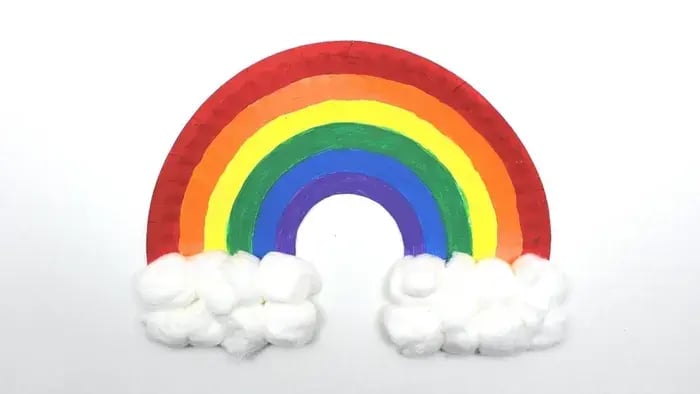
A paper plate rainbow is a simple project that introduces children to colours while encouraging creativity. Cut a paper plate in half and draw curved sections across it to create a rainbow shape. Let the child color each section with different shades. Once the paint dries, add cotton balls to both ends to create fluffy clouds. This craft can also be used as a cheerful room decoration.
Paper Flower
Scrap paper can be transformed into a colorful handmade flower. Take a rectangular sheet and fold it back and forth like a fan. Repeat the process with additional sheets, then join the folded pieces to create a flower shape. Tissue paper can also be used for a softer version. Children can experiment with different colors and sizes to create a small paper bouquet.
DVD Owl
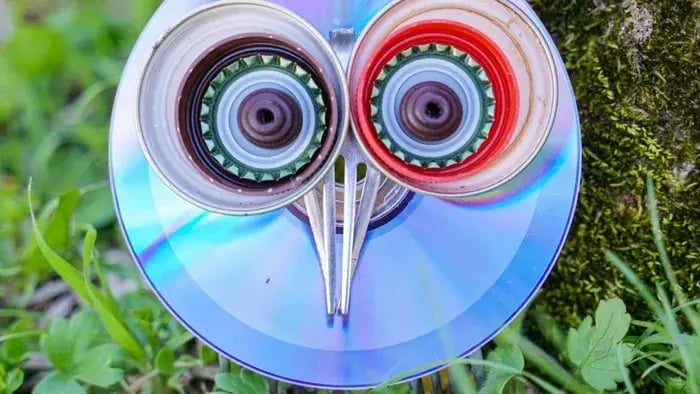
Old DVDs can be reused to make a decorative owl. Paint the DVD and allow it to dry completely. Cut paper shapes for the eyes and beak, then paste them onto the DVD. Add paper or craft feathers around the sides to create wings. A piece of thread can be attached to hang the finished owl. Avoid giving children broken or sharp-edged discs.
Water Bottle Flower
An empty plastic bottle can be turned into a decorative flower with some adult assistance. Cut off the bottom section of the bottle and carefully shape the edges into petals. Children can paint the plastic piece in bright colors and use another shade for the centre. Once dry, attach a straw or suitable craft stick as the stem. An adult should handle the cutting to avoid sharp edges.
Wood Shaving Nest
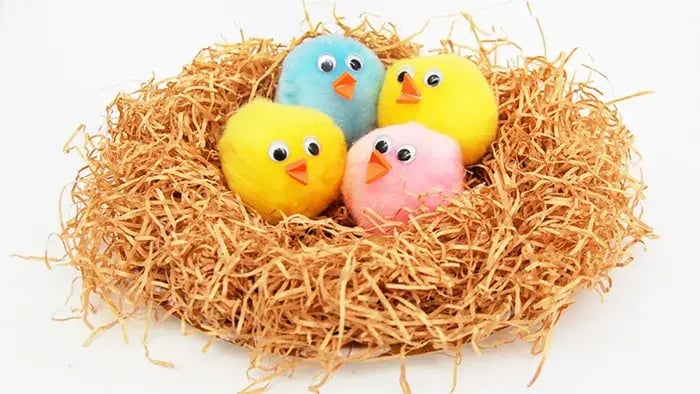
Packaging wood shavings can be reused for a creative nest project. Place the shavings on a piece of cardboard and arrange them into a nest shape using suitable craft glue. Cotton balls can be coloured and decorated with paper eyes and beaks to create small birds. Place the birds inside the nest for a simple decorative scene. Ensure the shavings are clean and free from sharp pieces.
Rock Paper Weight
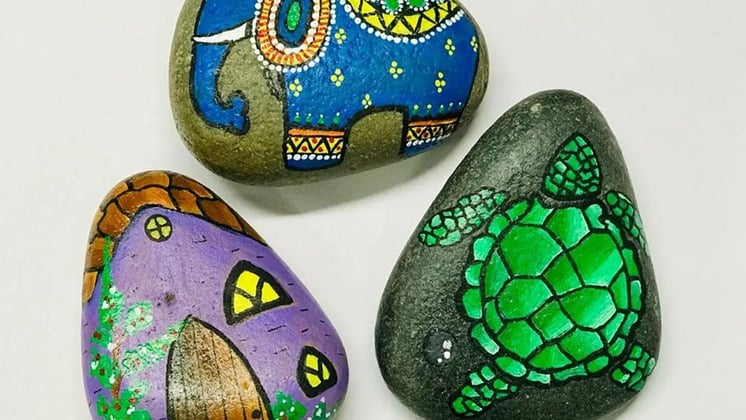
A smooth, flat rock can become a useful paperweight. Wash and dry the rock before painting it in a color of your choice. Children can add patterns, dots, faces, or other designs using paint or sketch pens. Once completely dry, the finished rock can be used to hold papers in place while studying or drawing. Choose a stable rock without sharp edges.
Sock Puppet
An old, clean sock can become a playful puppet with very little preparation. Place the sock over the hand and mark where the eyes, mouth, and other features should go. Add felt pieces, paper shapes or fabric scraps to create the face. Children can then use the puppet to create stories, act out characters, or put on a small show for family members. Avoid small detachable pieces for younger children.
Conclusion
These simple crafts show that creative play does not require expensive materials. All you need is a simple paper plate, an old sock, an empty bottle, or a smooth rock, and it will become the starting point for an engaging project. You should pick one activity this weekend and see what your child creates.
Frequently Asked Questions
What household materials are most useful for kids' crafts?

Paper plates, cardboard, scrap paper, old socks, empty plastic containers, cotton, rocks, and clean packaging materials can be useful for children's crafts. Always check materials for sharp edges or small detachable parts before use.
How do craft activities support a child's development?
Crafting can support fine motor skills, concentration, creative thinking, patience, and confidence. Following steps and completing projects can also help children practise planning and problem-solving.
How can I make these crafts safer for younger toddlers?
Adults should handle scissors, cutting tools, hot glue and any material with sharp edges. Choose large, non-toxic materials and avoid small detachable pieces that may pose a choking risk. Supervise younger children throughout the activity.
The views expressed are that of the expert alone.
Popular Topics