

 Parenting Guide


 Child Health & Growth


 Learning & Skills Development


 Food & Nutrition


 Bournvita






Introduction
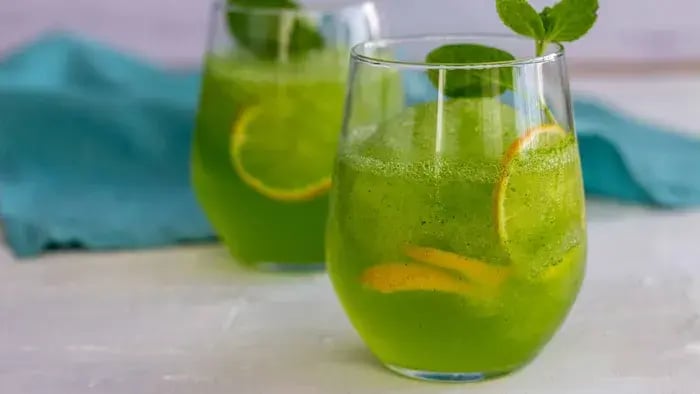
Healthy drinks for kids should mainly provide hydration without adding unnecessary sugar. For most children, plain water is the best everyday drink, while suitable plain milk can provide nutrients such as calcium and vitamin D. Research published in Nutrients. 2025, shows that other drinks, including 100% fruit juice, can have a limited role depending on the child's age. During summer, children may need more fluids, particularly when they are playing outdoors or exercising. Parents can make water more appealing with fruit or herbs for flavour, while keeping sugary drinks and caffeinated beverages limited.
What Are the Best Everyday Drinks for Kids?
For most children, plain water should be the main drink throughout the day. Plain, pasteurised milk can also be included as part of a balanced diet for children old enough to drink it. Fortified, unsweetened soy beverages can be a suitable alternative for some children. Research published in Nutr Bull. 2025 highlights that 100% fruit juice is not necessary when whole fruit is available because whole fruit provides more fibre. Sugary drinks, soft drinks, sweetened beverages, energy drinks and caffeinated drinks should not be routine choices for children.
Drink Guidance by Age
Babies Under 12 Months
Breast milk or infant formula remains the main source of nutrition. From around 6 months, small amounts of water can be offered with complementary foods. Honey and fruit juice should not be given before 12 months.
Toddlers and Young Children
After 12 months, plain pasteurised milk and water can be offered regularly. Fortified, unsweetened dairy alternatives may also be suitable. Juice is unnecessary and, if offered, should be limited according to age.
Older Children and Teens
Water should remain the main hydration choice. Plain milk or a suitable fortified alternative can be included with meals. Children and teenagers should avoid energy drinks and limit caffeinated beverages.
School-Safe Drink Comparison
| Drink | Sugar | Refrigeration | Allergens | School Use |
| Plain water | No added sugar | Usually not required if safe and stored appropriately | None | Everyday choice |
| Plain milk | Natural lactose | Yes | Milk | With reliable cold storage |
| Fortified unsweetened soy drink | Usually no added sugar | Check product instructions | Soy | Suitable if appropriate |
| 100% fruit juice | Naturally high in sugar | Follow label | Product-dependent | Occasional, age-appropriate |
| Homemade fruit drinks | Depends on recipe | Often required | Ingredient-dependent | Use only with safe storage |
| Sugary drinks | Added sugar | Product-dependent | Varies | Best limited |
| Energy/caffeinated drinks | Often high in sugar/caffeine | Product-dependent | Varies | Not recommended for children |
Hydration During Heat and Sport
Water is generally the first choice for everyday hydration, including most children's physical activity. On hot days, encourage children to drink regularly rather than waiting until they become very thirsty. During prolonged or intense activity in significant heat, hydration needs can vary.
Electrolyte drinks are not automatically necessary for every child who plays or exercises. They may have a role in specific situations, such as prolonged intense activity or illness, but children with significant dehydration, vomiting, diarrhoea or medical conditions should receive appropriate medical guidance.
7 Healthy Drink Ideas for Kids
Peppermint Lemon Water
This is a simple way to add flavour to plain water without turning it into a sugary drink.
Ingredients: 2–3 cups drinking water, 1–2 tsp fresh lemon juice and a few washed mint leaves.
Method: Add lemon juice and mint to water, refrigerate briefly if desired, then serve chilled or at a suitable temperature.
Tip: Do not add honey for children under 12 months. For older children, honey counts as added sugar, so it does not need to be included.
For school, pack it in a clean, leakproof bottle.
Fresh Fruit Drink
Instead of turning several fruits into a strained juice or sugary punch, blend whole soft fruit with water and serve it as a thicker fruit drink.
Ingredients: ½ cup ripe mango or watermelon, ½ cup water and a small amount of lemon juice if desired.
Method: Wash, prepare and blend the fruit with water. Serve soon after preparation.
Tip: Whole fruit is generally preferable to juice because it retains more fibre.
For school, use a chilled, leakproof container and follow the school's refrigeration requirements.
Chaach
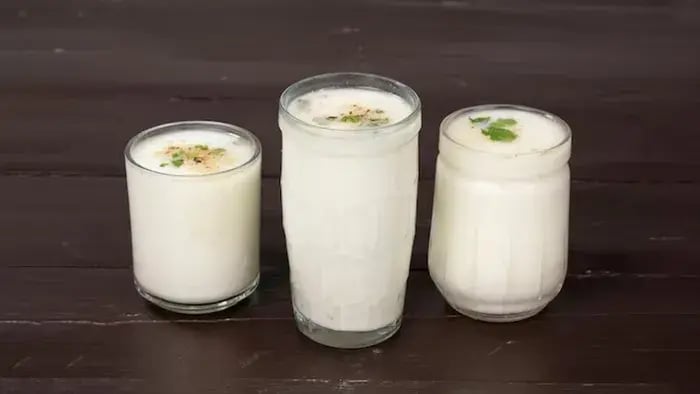
Plain chaach can be served with meals for children who already tolerate dairy.
Ingredients: ½ cup plain curd, ½ cup drinking water and a small pinch of roasted cumin powder.
Method: Whisk the curd and water until smooth, then add a small amount of cumin.
Avoid excessive salt. Because chaach is dairy-based, keep it refrigerated and use an insulated bottle with an ice pack if it needs to travel.
Kacha Aam Sharbat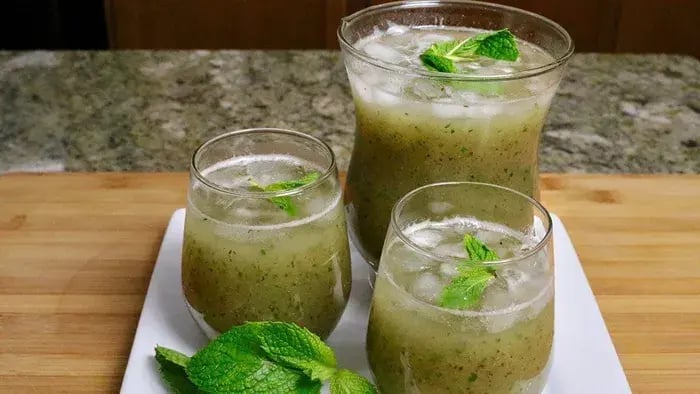
Raw mango sharbat can be prepared at home, but it does not need to be heavily sweetened.
Ingredients: 2 tbsp cooked raw-mango pulp, 1 cup water, mint and a small amount of sugar if needed.
Method: Blend the pulp with water and mint, then chill and serve.
Keep added sugar low and treat this as an occasional flavoured drink rather than an everyday replacement for water.
Basil and Lime Infused Water
Infused water can make plain water more interesting without adding sugar.
Ingredients: 2–3 cups drinking water, a few washed basil leaves and 1–2 tsp lime juice.
Method: Add the ingredients to clean water and allow the flavours to infuse briefly. Remove the leaves before packing if preferred.
Use a clean bottle and refrigerate the drink when required. Do not describe infused water as a detox drink; its main purpose is to provide flavoured hydration.
Watermelon and Lemon Drink
A whole-fruit watermelon drink can be made without adding sugar.
Ingredients: 1 cup seedless watermelon, ½ cup water and a small amount of lemon juice.
Method: Blend the watermelon and water until smooth. Add lemon juice if desired and serve soon after preparation.
For younger children, remove seeds and serve an age-appropriate texture. If packed for school, keep it chilled and follow safe storage times.
Plain Coconut Water
Coconut water can be offered occasionally as another drink option, but it does not need to be mixed with milk, dry fruits or other ingredients to make it suitable for children.
Ingredients: Fresh or pasteurised coconut water, as appropriate.
Method: Serve fresh or according to the product's storage instructions.
For everyday hydration, plain water remains the simplest choice. Coconut water should not be presented as a treatment for dehydration or as a replacement for medical rehydration when a child is unwell.
Tips for Safe School Drinks
- Wash reusable bottles thoroughly with soap and water after use.
- Allow bottles to dry completely before storing them.
- Use leakproof containers that children can open safely.
- Check whether the school provides refrigeration.
- Use an insulated bottle and ice pack for perishable drinks when needed.
- Avoid sending milk-based drinks without reliable cold storage.
- Check packaged drinks for added sugar and caffeine.
- Do not use herbal teas or caffeinated drinks as routine children's beverages.
- Avoid sharing bottles between children.
Conclusion
The best health drink for kids is usually not a specialised beverage. Plain water should be the main everyday choice, with suitable plain milk or fortified unsweetened alternatives included according to age and dietary needs. Simple fruit-infused water or occasional homemade drinks can add variety, while sugary and caffeinated beverages should be limited.
Frequently Asked Questions
What are healthy drinks for kids?

Healthy everyday drinks include plain water and suitable plain milk or fortified unsweetened alternatives, depending on the child's age and dietary needs.
Is juice healthy for children?
100% fruit juice can be offered in limited, age-appropriate amounts, but whole fruit is generally preferable because it provides more fibre. (cdc.gov)
Which drinks are safe for school bottles?
Plain water is the easiest choice. Milk or other perishable drinks require reliable refrigeration or an insulated container with appropriate cold storage.
Do children need electrolyte drinks in summer?
Most children do not routinely need electrolyte drinks. Water is generally sufficient, while prolonged intense activity or illness may require individual medical guidance.
Her love for storytelling began with reading her grandfather’s speeches, where Tarishi saw the power of words in creating lasting memories. Combining her passions for food and writing, she has turned her life into a fulfilling path of sharing stories that celebrate flavours and how food brings communities together.
The views expressed are that of the expert alone.