




 Parenting Guide


 Child Health & Growth


 Learning & Skills Development


 Food & Nutrition


 Bournvita





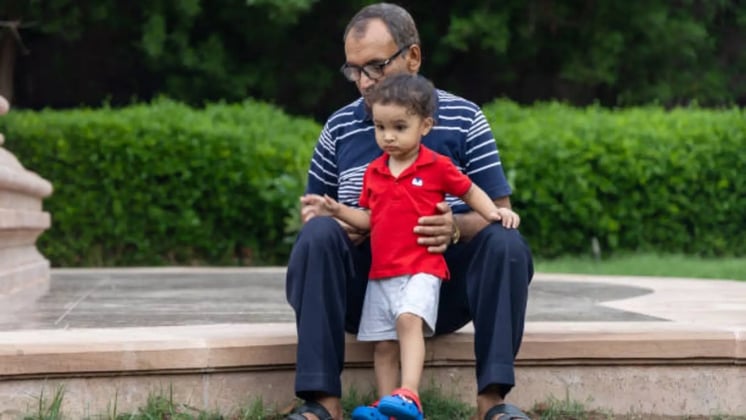
Introduction
Child growth is a gradual process that includes changes in physical development, communication, thinking, emotions, and social skills. Every child develops at a different pace, so milestones can serve as helpful general guidelines rather than strict deadlines. Understanding these stages can help parents notice new abilities and provide age-appropriate opportunities for learning and development.
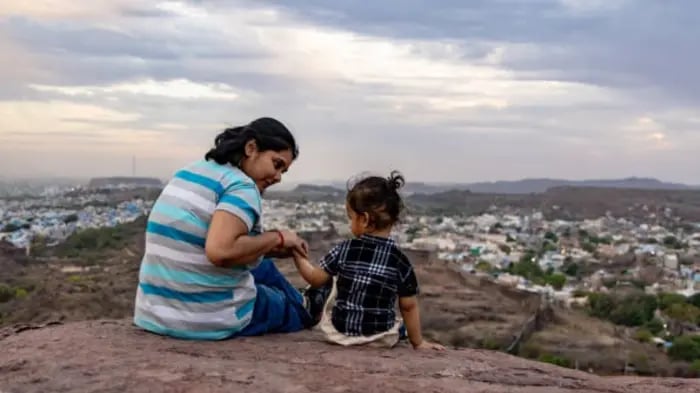
During early childhood, children may quickly develop skills such as sitting, walking, speaking, playing, following simple instructions, and interacting with others. As they grow older, they may become more independent, develop stronger problem-solving abilities, manage emotions more effectively, and build friendships.
Tracking child growth is not only about measuring height and weight. Daily behaviors, communication, movement, learning, and social interaction can also provide useful information about development. Simple activities such as reading together, talking, playing, drawing, outdoor movement, and encouraging independent tasks can support healthy development.
Parents can use developmental milestones to understand what skills commonly emerge at different ages. If a child loses a previously developed skill or parents notice ongoing concerns about development, speaking with a pediatrician can provide appropriate guidance.
10 Child Growth and Development Milestones Every Parent Should Know
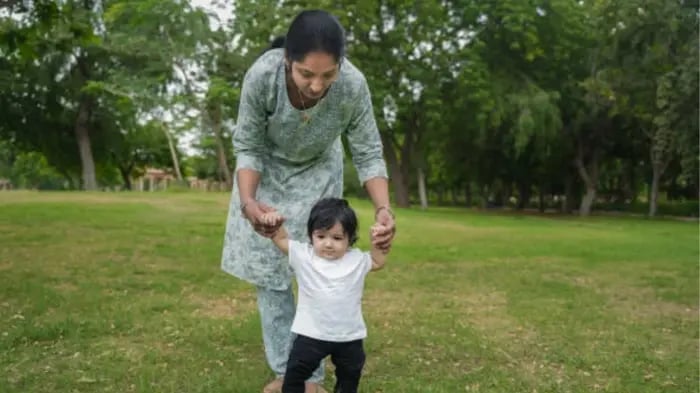
Understanding child growth milestones can help parents recognize important changes as children become more independent. Milestones generally cover several areas, including physical movement, language, thinking, social interaction, and emotional development. Children may reach these milestones at slightly different times, so comparisons with other children are not always helpful.
Parents can support development through everyday experiences rather than complicated activities. Talking, reading, playing, exploring, and allowing children to practice new skills can create valuable learning opportunities. Regular pediatric checkups can also help track development and address concerns when necessary.
Developing Movement Skills
In every phase of child growth, kids gradually gain control over their bodies. Skills can progress from holding the head up and sitting to crawling, standing, walking, running, jumping, and climbing. Safe opportunities for movement can support coordination, balance, and physical confidence.
Building Communication Skills
Children gradually learn to communicate through sounds, gestures, words, sentences, and conversations. Reading aloud, talking about everyday activities, singing songs, and responding to children's questions can support language development and help build vocabulary.
Improving Fine Motor Skills
Fine motor development involves using smaller muscles for activities such as holding crayons, turning pages, stacking blocks, using utensils, and eventually writing. Drawing, puzzles, building activities, and age-appropriate crafts can provide regular practice.
Developing Social Skills
As children grow, they learn to interact with family members, classmates, friends, and other people. Sharing, taking turns, cooperating, listening, and recognizing social cues are important parts of child growth. Group play can provide natural opportunities to practice these skills.
Becoming More Independent
Children gradually learn to complete everyday tasks with less assistance. Dressing, brushing teeth, organizing toys, choosing among suitable options, and preparing simple belongings can encourage independence and give children opportunities to practice responsibility.
Strengthening Thinking and Problem-Solving
Cognitive development includes learning, remembering, comparing, asking questions, and solving simple problems. Puzzles, sorting games, stories, building activities, and age-appropriate challenges can encourage children to think, explore possibilities, and find solutions.
Understanding and Managing Emotions
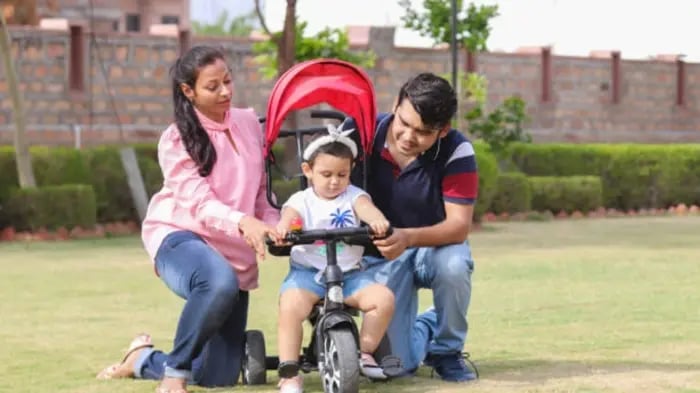
Emotional development helps children identify feelings and gradually learn ways to manage them. During childhood, children may need support with naming emotions, calming down, handling disappointment, and communicating their needs. Patient conversations and predictable routines can provide helpful structure.
Developing Imagination and Creativity
Pretend play, drawing, storytelling, music, crafts, and building activities can encourage imagination. Creative experiences allow children to explore ideas, express themselves, and experiment with different ways of solving problems without focusing only on having a correct answer.
Building Healthy Habits
Healthy child growth includes developing everyday habits around nutrition, sleep, hygiene, physical activity, and personal care. Consistent routines can help children understand the importance of caring for their bodies while gradually taking responsibility for suitable daily tasks.
Developing Confidence and Relationships
Children gradually become more comfortable expressing preferences, trying unfamiliar activities, forming friendships, and handling small challenges. Encouragement focused on effort and learning can support confidence. Positive relationships with trusted adults can also provide a secure foundation for continued development.
Conclusion

Child growth involves much more than physical changes. Movement, communication, thinking, emotional skills, independence, creativity, and relationships all develop over time. By providing safe opportunities to learn, play, communicate, and explore, parents can support healthy development while recognizing that every child may progress at an individual pace.
Frequently Asked Questions
What are the most important child growth milestones?

Important milestones can include physical movement, language, social interaction, emotional regulation, thinking skills, fine motor abilities, independence, and healthy daily habits. Development can vary from child to child.
How can parents support healthy child growth?
Parents can support child growth through balanced nutrition, adequate sleep, physical activity, reading, play, conversation, creative activities, and opportunities for age-appropriate independence.
When should parents discuss developmental concerns with a pediatrician?
Parents can speak with a pediatrician if a child loses previously developed skills, shows persistent developmental concerns, or does not appear to be progressing in an area of development.
Her love for storytelling began with reading her grandfather’s speeches, where Tarishi saw the power of words in creating lasting memories. Combining her passions for food and writing, she has turned her life into a fulfilling path of sharing stories that celebrate flavours and how food brings communities together.
The views expressed are that of the expert alone.
Popular Topics