




 Parenting Guide


 Child Health & Growth


 Learning & Skills Development


 Food & Nutrition


 Bournvita





Introduction
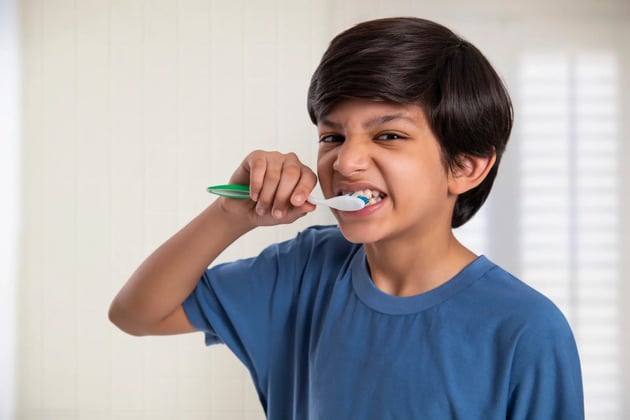
Tooth decay remains one of the most common chronic conditions of children. Cavities in children often happen silently, without obvious pain or visible symptoms. By learning what causes decay, parents can step in before problems get serious. Kids' cavities are a mixture of diet, hygiene, and bacterial factors. Prevention is still so much easier and more affordable than treatment after decay occurs. This article explains the reasons why cavities seem to be so common in kids today.
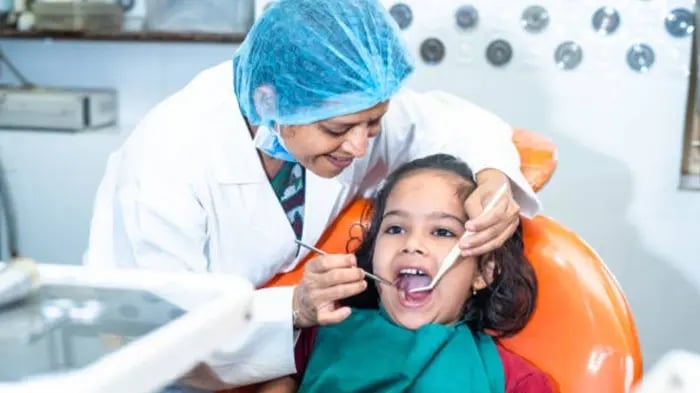
Then it discusses some prevention strategies that families can realistically use at home on a regular basis. Finally, it provides dental care tips that encourage lifelong healthy oral habits. You don't need expensive treatments or complicated routines for any of this. Asystematic review of school-based programsassessed the safety and efficacy of fluoride varnish for preventing dental cavities in children and adolescents. All of this explains why understanding cavities in kids is so important for lifelong oral health.
What causes cavities in kids?
1. Eating too many sugars and starches
Bacteria causing tooth decay are directly fed by sugary snacks and drinks. Snacking throughout the day increases the exposure length for these dangerous bacteria. "Starchy foods that stick to teeth can be just as bad overall. In fact, not only the total amount but also the frequency limits really help to reduce the risk of decay. “More important than over-the-top, infrequent attempts to cut sugar out are small, consistent changes in diet.
2. Brushing Wrong or Inconsistently
If kids forget to brush, plaque builds up and turns to tartar, which can cause decay. Food particles can become trapped between the teeth for extended periods due to improper technique. Young children generally don’t have the coordination to brush well on their own. Parents still have to supervise until the child can do it himself with manual dexterity. It’s the daily brushing habits that are more important than one perfect session.
3. Not enough fluoride exposure
Fluoride strengthens tooth enamel and makes it more resistant to acid that causes decay. Children who are not exposed to enough fluoride are at a much greater risk of developing cavities. It can be caused by untreated water supplies or by not using fluoride toothpaste at all. A pediatric dentist can help you identify if there are any gaps in your fluoride needs conversation. It is one of the most preventable causes of cavities in children.
4. Carers as a means of bacterial transmission
Cavity-causing bacteria can be passed from parent to child through sharing utensils or kissing. This transmission often occurs during infancy and early toddler years without knowledge. Parents who have cavities and don't treat them may be increasing their child's risk without even knowing it. By treating parents’ oral health, you also indirectly protect the development of a child’s teeth. This often-neglected factor warrants particular attention in early childhood.
5. Infrequent or Delayed Dental Visits
By not attending regular dental checkups, you allow early decay to develop and go undetected. Also, cavities in the early stages are often painless, so a professional exam is really needed to find them. Delaying appointments can allow small problems to grow into larger, more expensive ones. Regular checkups mean that decay can be caught before it gets really serious. This is a preventable cause and a reminder of why regular dental care scheduling is important.
How to Prevent Cavities in Children
1. Have regular brushing and flossing routine
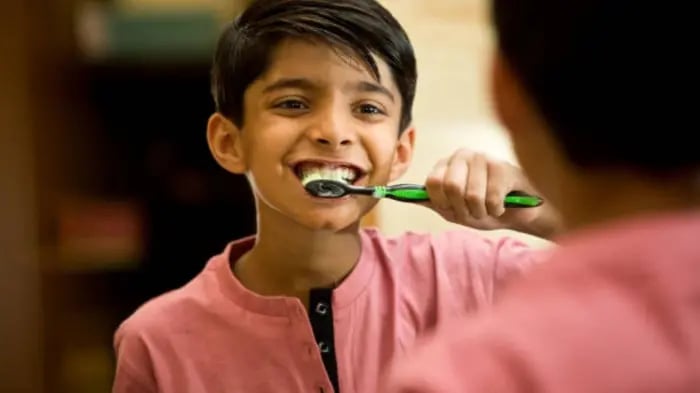
Brush twice a day with a fluoride toothpaste that is age-appropriate for your child. Start flossing when your child’s teeth start touching each other — usually around the age of two. Brush until children have enough coordination to do it themselves, usually around age six or seven. In these early years of building habits, consistency is far more important than perfection. This basic routine is still the single best prevention strategy available.
2. Avoid Sugary and Acidic Foods
Keep the number of times kids eat sugary snacks, juices, and acidic drinks throughout the day low. Offer water with meals and snacks instead of juice or soda. Eating desserts with meals helps to reduce long-term bacterial contact. You don’t have to take it out completely, but you do need to moderate it thoughtfully and consistently across the board. And yes, small shifts in diet that are sustainable over time do make a big difference in cavity risk.
3. Regular Dental Checkups
Start dental visits by the child's first birthday or first tooth eruption. Regular checkups every six months enable early detection and professional cleaning. Dentists may also apply protective treatments such as sealants or fluoride varnish. This proactive stance catches problems early, while they are still manageable. Regular scheduling remains one of the most valuable prevention strategies overall.
4. Think About Dental Sealants
Sealants are protective coatings applied to the chewing surfaces of back teeth. This barrier prevents food particles and bacteria from entering the grooves of the teeth. Sealants are quick, painless, and offer years of meaningful cavity protection. Call your dentist today to see if your child is a good fit. This simple preventative step greatly reduces the chances of cavities, especially in the molars.
5. Fluoride Exposure
TheUSPSTF researchshowed that fluoride significantly reduces the risk of cavities in young children. Use a smear of fluoride toothpaste appropriate to their age with adult supervision. If your water is not fluoridated, talk to your dentist about fluoride varnish or supplements. This simple, evidence-based approach remains readily available to most families. Over time, regular fluoride exposure helps build stronger, more decay-resistant enamel.
Tips for Parents for Dental Care
1. Oral Hygiene Starts Before the First Tooth
After feedings, clean an infant's gums with a soft, clean cloth. This creates the routine of oral care even before teeth come through. Starting these habits early will make the eventual transition to brushing a natural and expected occurrence. We start early and stay proactive. This builds comfort with oral care from true infancy forward. The sooner you begin, the less resistance there will be to routines that begin later.
2. Make brushing a fun activity, not a chore
Use flavored, child-friendly toothpaste and colorful character-themed toothbrushes for young kids. Use timers or sing songs so brushing doesn’t feel like a chore but is fun. If children are allowed to choose their own toothbrush, their real willingness to participate increases. This method reduces the daily hassle but still ensures regular, thorough oral care. A positive association with brushing encourages lifelong healthy habits into adulthood.
3. Be a Good Oral Hygiene Role Model
Kids observe and mimic their parents' daily flossing and brushing routines. Through family routine, brushing together becomes a natural behavior in general. Avoid negative comments about going to the dentist, as this can add to the anxiety. Your own consistent habits are among the most powerful instructional resources you have. This approach to modelling naturally creates a real lifelong commitment to oral health.
4. Address Dental Anxiety Directly
Look for a pediatric dentist who is experienced and comfortable working with young children. Preparing children for visits by giving them simple, honest, age-appropriate explanations in advance. Don’t use the dentist as a threat or punishment in everyday conversation. This kind of proactive care helps you establish a long-term, positive relationship with dentistry. Generally, less anxiety means more regular attendance at future checkups.
5. Resolve Small Issues Before They Become Big
Treat early signs of decay, like white spots, before they become real cavities. Prompt attention to a slight sensitivity or discomfort prevents a more serious complication later. Regular checkups can identify these early warning signs before problems get worse. It is much easier to handle minor problems early on than to handle advanced decay later on.
Conclusion
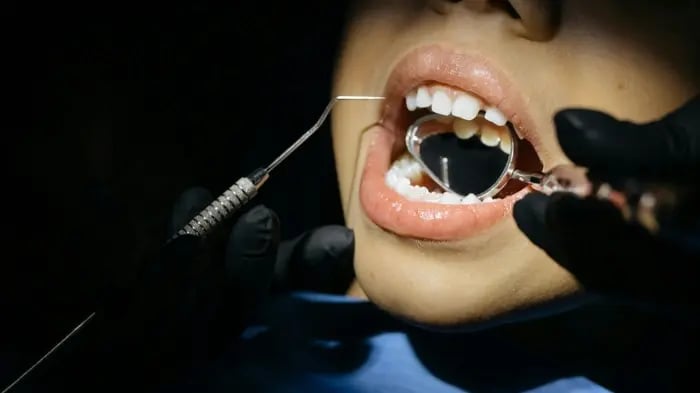
Understanding cavities in kids helps families develop lifelong effective oral health habits. Thefluoride researchproved that regular prevention actually reduces the risk of cavities over time. Work together on daily habits, regular checkups, and proactive dental care. A healthy smile becomes a natural part of family life when you work at it consistently.
Frequently Asked Questions
What causes cavities in kids?

Cavities can develop when bacteria use sugars and starches in food and drinks to produce acids that damage tooth enamel. Frequent sugary snacks can increase the risk.
How can parents prevent cavities in kids?
Encourage twice-daily brushing with fluoride toothpaste, regular flossing when teeth touch, healthy food choices, and routine dental checkups.
When should a child first visit the dentist?
A child should have the first dental visit by the first birthday or when the first tooth appears. Regular visits can help detect problems early.
Smriti is a content writer who creates clear, practical, and informative content backed by science and relevant data. With a strong understanding of structured writing, she breaks down complex topics into simple, actionable insights. Her work is focused on helping readers prepare, learn, and grow with confidence and clarity.
The views expressed are that of the expert alone.
Popular Topics