



 Parenting Guide


 Child Health & Growth


 Learning & Skills Development


 Food & Nutrition


 Bournvita





Introduction
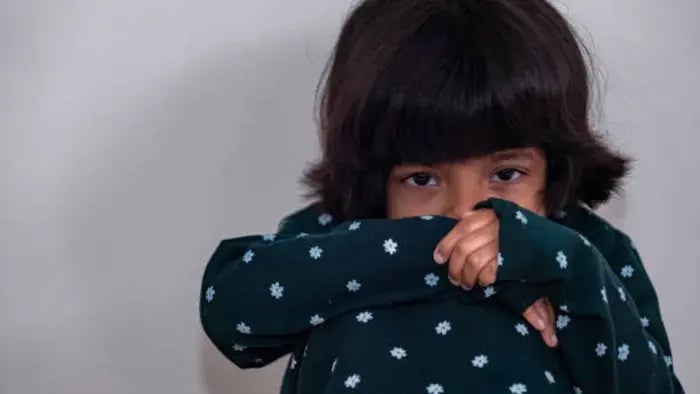
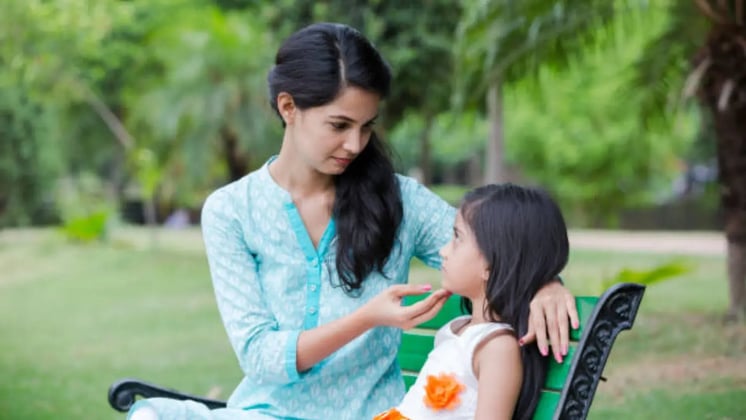
Childhood fears are common emotional experiences that can change as children grow, encounter new situations and develop a better understanding of the world. A child may feel afraid of the dark, loud noises, unfamiliar people, animals, separation or making mistakes. While occasional fear is often manageable, persistent or intense fear can sometimes interfere with sleep, school, play or everyday activities. Parents can help by listening without ridicule, acknowledging the child's feelings, offering calm support and introducing coping strategies at a comfortable pace.
Common Childhood Fears by Age
Children do not all develop fears at the same time, so age ranges should be viewed as general patterns rather than fixed milestones.
Babies and Toddlers
- Unfamiliar people or situations
- Separation from a familiar caregiver
- Sudden or loud noises
- Unfamiliar places or objects
Preschool and Early School Years
- Darkness or being alone
- Animals or insects
- Thunderstorms and other unexpected events
- Imagined characters or frightening stories
School-Age Children
- Injury or illness
- School-related situations
- Making mistakes or being judged
- Natural events or frightening news
Older Children and Teens
- Academic performance
- Social situations and peer judgement
- Health or safety concerns
- Changes in friendships, school or family circumstances
How Parents Can Respond in the Moment
- Listen first: Ask what feels scary instead of immediately trying to correct the fear.
- Validate the feeling: Say, “I can see that this feels scary,” rather than calling the fear silly.
- Offer calm reassurance: Explain what you know about the situation without repeatedly promising that nothing bad will ever happen.
- Give a simple coping step: Try slow breathing, holding a comfort object, sitting together briefly or focusing on something familiar.
- Give choices where possible: Let the child choose between reasonable coping options, such as keeping a night-light on or leaving the bedroom door slightly open.
Gradual Practice Without Pressure
If a fear is stopping a child from doing something they would otherwise like or need to do, gradual practice may help. The steps should be manageable and appropriate for the child rather than forcing them into the most frightening situation immediately.
For example, a child who fears dogs might first talk about dogs, look at a picture, watch one from a safe distance and eventually consider being closer to a calm dog if they are ready.
Keep the steps small, allow the child to communicate when something feels overwhelming and acknowledge their effort to cope. For persistent phobias or significant anxiety, gradual exposure is often part of structured psychological treatment and may be planned with a qualified professional.
How to Offer Support: 5 Practical Ways
Name the Fear Without Dismissing It
Let your child explain what they are afraid of. You can acknowledge the emotion without confirming that the feared situation is actually dangerous. This helps create a safe space for honest conversations.
Give Them Coping Tools
Depending on their age, children can try slow breathing, positive self-talk, drawing, storytelling or using a familiar comfort object. Practise these strategies when the child is calm so they are easier to use during stressful moments.
Be a Calm Presence
Children can take cues from how adults respond. Speak calmly, listen patiently and avoid showing unnecessary alarm. Your response can help the child understand that they can talk about fear without being judged.
Use Play and Creativity
Younger children may find it easier to express worries through drawing, pretend play, puppets or stories. These activities can help parents understand what the child is experiencing and give children another way to communicate.
Build Confidence Through Small Steps
When appropriate, help your child approach a manageable part of the situation rather than avoiding everything that feels uncomfortable. Praise their effort to cope rather than demanding that they stop feeling afraid.
When Fear May Need Professional Support
Occasional fears do not automatically mean a child has an anxiety disorder. Consider speaking with a paediatrician or child mental health professional when fear or worry is persistent, becomes increasingly intense, causes significant distress or interferes with everyday life.
Warning signs can include:
- Avoiding school, activities, friends or ordinary situations because of fear
- Persistent sleep difficulties or nightmares
- Repeated physical complaints such as headaches or stomach aches
- Difficulty participating in normal activities
- Fear that continues or worsens over time
- Significant changes in behaviour or functioning at home or school
Conclusion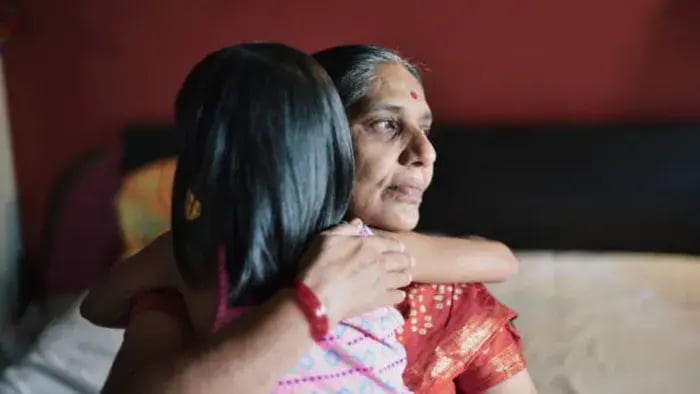
Childhood fears can change with development and life experiences. Listen without judgement, offer calm support, practise manageable coping steps and seek professional guidance when fear becomes persistent or disrupts daily life.
Frequently Asked Questions
What childhood fears are normal?

Common fears include darkness, separation, unfamiliar people, loud noises, animals, school situations and making mistakes. Patterns vary between children.
How can parents help a scared child?
Listen, validate their feelings, stay calm, offer simple coping strategies and avoid teasing, shame or pressure to immediately confront the fear.
When does fear become anxiety?
Fear may need further assessment when it becomes persistent, causes significant distress or interferes with sleep, school, relationships or everyday activities.
Should children be encouraged to face fears?
They can be supported through manageable steps, but forced confrontation should be avoided. Persistent phobias may benefit from professionally guided gradual exposure.
Her love for storytelling began with reading her grandfather’s speeches, where Tarishi saw the power of words in creating lasting memories. Combining her passions for food and writing, she has turned her life into a fulfilling path of sharing stories that celebrate flavours and how food brings communities together.
The views expressed are that of the expert alone.