

 Parenting Guide


 Child Health & Growth


 Learning & Skills Development


 Food & Nutrition


 Bournvita






Introduction

Everyone feels sad or upset sometimes, especially after a poor grade, friendship problem, or disappointing experience. Depression in children is different from temporary sadness because symptoms can persist and interfere with everyday life at home, school, and with friends. It may involve sadness, irritability, loss of interest, low energy, or changes in sleep and appetite. Depression can have multiple contributing factors, including genetics, stressful experiences, social difficulties, and other mental or physical health conditions. It is important to avoid blaming a child or family, as depression is a treatable health condition that can affect children and teenagers.
What Is Depression in Children?
Depression is a mental health condition involving persistent changes in mood, interest, thinking, or behaviour that affect daily functioning. Unlike temporary sadness, symptoms may last for weeks and interfere with school, relationships, sleep, or activities. Children may also appear unusually irritable rather than simply sad. With appropriate professional support, childhood depression can be treated.
Common Causes and Risk Factors
There is no single cause of depression in children. A combination of biological, psychological, social, and environmental factors may contribute to its development.
Genetics and Family History
Children with a family history of depression or other mental health conditions may have a higher vulnerability, although family history does not mean a child will develop depression.
Stressful Life Events
Experiences such as bereavement, major changes, trauma, or other prolonged stress can contribute to emotional difficulties in some children.
Bullying and Social Isolation
Bullying, rejection, loneliness, or ongoing difficulties with peers can affect a child's emotional wellbeing and may increase vulnerability to depression.
Academic Pressure
Persistent academic stress, unrealistic expectations, or difficulties at school may contribute to emotional distress, particularly when combined with other risk factors.
Family Conflict or Instability
Frequent conflict, significant family changes, or an unstable home environment may affect a child's emotional wellbeing and sense of security.
Physical Illness and Other Mental Health Conditions
Some medical conditions and other mental health difficulties can overlap with depressive symptoms, making professional evaluation important.
Factors Causing Depression In Indian Kids
Brain Chemistry And Structure
Chemical imbalances in the brain can seriously impact mood, thoughts, sleep, appetite, behavior, beliefs, and decision-making in children, causing depression. Also, certain brain structural abnormalities in children, like having an underdeveloped frontal lobe, can increase the risk of depression.
Hormonal Changes
Hormonal changes that take place during puberty in kids can also increase the risk of depression. This is more common in female prepubescent kids as changes in levels of estrogen and progesterone can impact mood and brain functioning, making them more prone to depressive disorders.
Family History
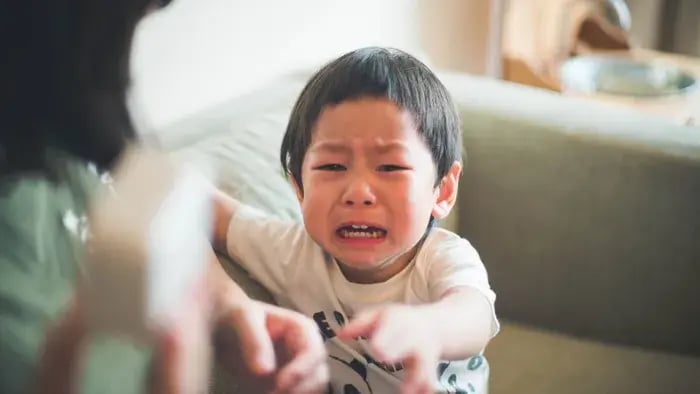
Family history plays a key role in developing depression in Indian children. As this disorder was not as frequently diagnosed in previous generations, if one or more people in the family have suffered depression, then the kids are at a much higher risk of having it.
Trauma
Suppose children have been a part of a broken household or have experienced domestic or other forms of abuse. In that case, that traumatic experience can increase the likelihood of developing depression in them. Certain familial and social situations may trigger such kids and cause their bodies to react with fear and apprehension automatically.
Medical Conditions
Certain medical and health conditions like stroke, heart attack, Parkinson’s Disease, chronic pain, cancer, obesity, and more put kids at a higher chance of incurring depression. Certain medications and drugs may also increase the risk of developing depressive spectrum disorders in children.
Vitamin D Deficiency
Vitamin D deficiency has been linked with depressive and anxious symptoms in children. On the other hand, kids who played outdoors in the sun regularly and had a diet replete with vitamin D reported better mood and a lower chance of becoming clinically depressed.
Comorbidity
Depression is more common in individuals who are already suffering from mental health condition, such as anxiety disorder, obsessive-compulsive disorder, mood disorders, and more. Therefore, comorbidity is a valid factor that increases the likelihood of depression.
Tips On Handling Depression In Indian Children
- If your child is showcasing most of the above-mentioned signs of depression, then it may be time to get some help and take them to a psychiatrist.
- Be kind and supportive while dealing with depressed children, as they lack maturity and awareness.
- Try enforcing a routine to help such kids function and feel better.
- It is ideal to take your depressed child outdoors to get some fresh air. It will automatically improve their mood and lower depressive symptoms in them.
- Do not force depressed kids to do something, as this can lead to a tantrum or worse, but try introducing some change and brightness into their day-to-day lives.
- Develop a safe space for your kids to come to you with their thoughts. As such, kids often get stuck in a negative thought cycle; it is ideal to break them early.
Signs of Depression in Children and Teenagers
Possible symptoms of depression in children include:
- Persistent sadness or frequent irritability.
- Losing interest in favourite activities.
- Spending more time alone or withdrawing from friends and family.
- Changes in sleep or appetite.
- Low energy, tiredness, or difficulty concentrating.
- Declining school performance or reduced participation.
- Feelings of worthlessness, hopelessness, or excessive guilt.
- Thoughts or behaviours related to self-harm or suicide.
How Depression May Look Different by Age
- Young children:Depression may appear as frequent irritability, tantrums, physical complaints, withdrawal from play, or changes in sleep.
- School-age children:They may lose interest in activities, struggle academically, become withdrawn, or express low self-worth.
- Teenagers:Irritability, isolation, changes in sleep or eating, low energy, declining grades, and loss of interest may become more noticeable.
How Parents Can Respond Supportively
- Listen without judgment:Give the child space to describe how they feel.
- Avoid blame:Depression is not a child's fault or a sign of poor parenting.
- Maintain routines:Encourage regular sleep, meals, school attendance, and age-appropriate activities.
- Stay connected:Continue offering calm support even if the child withdraws.
- Arrange professional evaluation:A paediatrician or qualified mental health professional can assess symptoms and recommend appropriate support.
When to Seek Urgent Help
Seek immediate professional help if a child talks about suicide, self-harm, wanting to die, or appears to be in immediate danger. Do not leave them alone in an immediate crisis.
In India: Tele-MANAS provides 24/7 mental health support at 14416 or 1800-89-14416. For immediate physical danger, contact local emergency services or take the child to the nearest emergency department.
Conclusion
Depression in children deserves attention when emotional or behavioural changes persist and begin affecting daily life. Understanding the common causes of depression and recognising the symptoms of depression in children can help parents seek support earlier. Listening without blame, maintaining supportive routines, and arranging professional evaluation can help children access appropriate care and support.
Frequently Asked Questions
What is the main cause of childhood depression?

No single cause exists; genetics, biology, stressful experiences, social difficulties, and environmental factors can all contribute.
Can school pressure contribute to depression?
Yes, persistent academic pressure can contribute to emotional distress, particularly when combined with other personal, family, or social stressors.
Is childhood depression treatable?
Yes, childhood depression is treatable, with options including psychotherapy and, when clinically appropriate, medication under professional supervision.
Her love for storytelling began with reading her grandfather’s speeches, where Tarishi saw the power of words in creating lasting memories. Combining her passions for food and writing, she has turned her life into a fulfilling path of sharing stories that celebrate flavours and how food brings communities together.
The views expressed are that of the expert alone.