




 Parenting Guide


 Child Health & Growth


 Learning & Skills Development


 Food & Nutrition


 Bournvita





Introduction

Exam preparation can bring stress and worry, especially when students feel they have not prepared enough or fear disappointing themselves or others. Using effective study methods alongside relaxation techniques for test anxiety can help students manage exam-related stress and approach preparation more calmly.
Practice tests and retrieval activities can also show students which topics need more revision. This can make preparation more focused instead of encouraging repeated passive reading. Study-skills interventions have shown potential for reducing test anxiety, particularly when combined with psychological support.
Why Study Techniques Can Reduce Exam Anxiety?
Uncertainty about what to study and how much remains can increase exam-related worry. A structured study plan breaks a large syllabus into smaller, manageable tasks and gives students clear goals.
Practice tests and retrieval activities can also show students which topics need more revision. This can make preparation more focused instead of encouraging repeated passive reading. Study-skills interventions have shown potential for reducing test anxiety, particularly when combined with psychological support.
Spaced Practice and Retrieval Practice
Spaced practice means reviewing information over several days rather than trying to learn everything in one session. Retrieval practice involves recalling information without looking at the answer first.
Students can use flashcards, practice questions, short quizzes and previous exam papers. After attempting an answer, they can check their mistakes and revise the areas they struggled with. Combining regular practice with realistic study goals can make preparation more organised.
A 7-Day Study Plan Template
| Day | Focus |
| Day 1 | List subjects and identify topics needing the most attention |
| Day 2 | Study difficult topics and practise recalling key points |
| Day 3 | Revise earlier topics and complete practice questions |
| Day 4 | Focus on another difficult subject and test yourself |
| Day 5 | Review mistakes and practise important concepts |
| Day 6 | Take a timed practice test and revise weak areas |
| Day 7 | Light revision, organise materials and prioritise rest |
Calming Strategies for Exam Day
- Slow breathing:Take slow, comfortable breaths for a few cycles.
- Relax your muscles:Briefly release tension from the shoulders, jaw and hands.
- Use positive self-talk:Replace “I will fail” with a realistic thought such as “I can work through one question at a time.”
- Pause between questions:If you feel overwhelmed, put your pen down briefly and take a few calm breaths.
- Arrive prepared:Keep stationery, admit card and other required materials ready beforehand.
- Avoid last-minute cramming:Use the final period for light review rather than trying to learn an entire topic.
Study Time Routine and Exam Pressure
A study routine works best when it is realistic and flexible. Instead of creating a timetable that fills every hour, students can set two or three specific goals for each study session.
For example, a session might include:
- Set a goal:Choose one topic or skill.
- Study actively:Read, make notes or explain the concept.
- Retrieve:Close the book and recall what you learned.
- Practice:Complete questions or solve problems.
- Take a break:Step away from the desk before starting again.
Effective Study Techniques to Reduce Exam Anxiety
Selective Studying
Instead of treating every topic as equally urgent, divide the syllabus according to priority.
- High priority:Difficult or important topics requiring detailed study.
- Medium priority:Topics that need revision and practice.
- Lower priority:Familiar topics that can be reviewed quickly.
This approach helps students use their available study time more effectively without deciding that topics can be completely ignored.
Abbreviation Learning
Abbreviations and simple memory cues can help students organise information, dates, definitions or lists.
Create short keywords while making notes and use them as prompts during retrieval practice. The aim is to use abbreviations as memory cues rather than replacing proper understanding of the topic.
One Numerical Problem, Multiple Approaches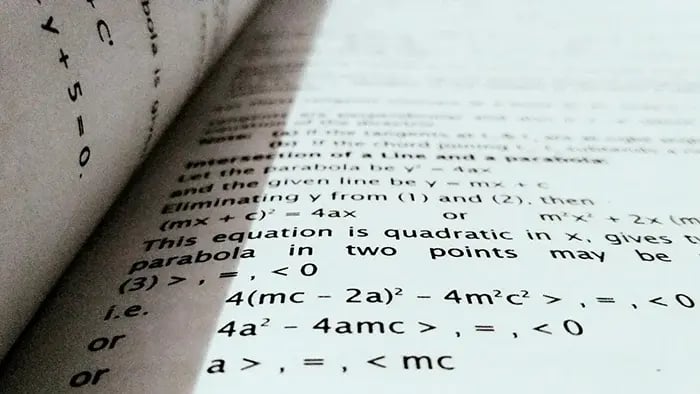
For subjects such as mathematics and physics, practise solving problems rather than only reading worked examples.
After learning a method, students can try solving a problem independently and then check the answer. Where appropriate, exploring different solution methods can improve understanding and flexibility.
Memory and Recall
Break longer information into smaller sections and practise recalling each section without looking at the book.
For poems, definitions, historical events or question-and-answer topics, students can use keywords, flashcards or short self-quizzes. Retrieval practice helps identify what they actually remember and what requires further revision.
Build in Self-Compassion and Realistic Goals
Students may become more anxious when they treat mistakes as proof that they cannot succeed. Encourage realistic goals such as completing two chapters, answering 10 practice questions or revising one difficult concept.
A missed study session does not mean the entire preparation has failed. Adjust the plan and continue with the next manageable task. If anxiety remains severe or repeatedly interferes with studying, sleep, daily activities or examinations, professional support may be appropriate.
Conclusion
Effective preparation and relaxation techniques for test anxiety can work together to make exam periods more manageable. Spaced practice, retrieval, practice tests, realistic goals, adequate sleep and short calming exercises can help students approach preparation with greater structure.
Frequently Asked Questions
What are effective study techniques?

Spaced practice, retrieval practice, practice tests, breaking topics into smaller goals and reviewing mistakes are useful evidence-based study approaches.
How can students reduce exam anxiety?
Students can use realistic study plans, regular practice, adequate sleep, short breaks, slow breathing and other relaxation techniques for exam stress.
Is cramming effective?
Cramming may help with very short-term recall, but spreading study sessions over several days generally provides a better opportunity for learning and retention.
When should exam anxiety need professional help?
Seek professional support when anxiety is severe, persistent or interferes with sleep, daily activities, studying, eating or examination participation.
Her love for storytelling began with reading her grandfather’s speeches, where Tarishi saw the power of words in creating lasting memories. Combining her passions for food and writing, she has turned her life into a fulfilling path of sharing stories that celebrate flavours and how food brings communities together.
The views expressed are that of the expert alone.