



 Parenting Guide


 Child Health & Growth


 Learning & Skills Development


 Food & Nutrition


 Bournvita





Introduction
Learning about healthy food doesn't have to feel like a lesson. Sharing fun food facts for kids is a great way to spark curiosity and encourage children to explore new fruits, vegetables, and nutritious meals. From surprising facts about how foods grow to unusual discoveries about everyday ingredients, these little pieces of information make learning exciting and memorable.
Parents can use these fun facts about fruits and vegetables to start conversations during meals, shopping trips, or cooking together. When children connect food with fun and discovery, they are often more willing to try new foods and develop healthy eating habits that last.
Food is full of amazing stories, colourful surprises, and fascinating science. Every fruit, vegetable, grain, and seed has its own journey from farm to plate. Exploring these facts helps children understand where food comes from while making nutrition enjoyable instead of overwhelming.
Why Food Facts Matter
Learning about food from an early age helps children understand why healthy eating is important. Interesting facts encourage curiosity, improve food awareness, and make children more willing to taste new foods. Instead of simply being told what is healthy, children begin to appreciate how different foods help their bodies grow, learn, and stay active.
Surprising Food Facts
Unexpected Origins
Many everyday foods have surprising beginnings. Here are a few fun discoveries children enjoy learning:
- Potatoes were the first vegetable successfully grown in space.
- Pineapples grow from the centre of a leafy plant close to the ground.
- Peanuts don't grow on trees—they grow underground.
- Cashew nuts grow attached to the bottom of a colourful cashew apple.
- Broccoli, cabbage, cauliflower, and kale all come from the same plant family.
- Corn kernels always grow in even-numbered rows.
- Bananas grow on giant flowering plants, not on trees.
These fun food facts for kids help children see everyday meals in a completely new way.
Avocados are Fruit
Many people think avocados are vegetables because they are often used in savoury dishes. However, botanically, avocados are fruits because they develop from a flower and contain a single large seed. Tomatoes, cucumbers, pumpkins, and peppers are also technically fruits, even though we usually cook and eat them like vegetables. These fun facts about fruits and vegetables show that science and everyday cooking don't always classify foods the same way.
Fun Food Facts About Healthy Foods and Nutrients
Applesauce Was The First Food Eaten By Astronauts In Space
In 1962, scientists did not know if astronauts could eat anything in space as there was no gravity. So, astronaut John Glenn proved the possibility on his Friendship 7 mission on February 20, 1962, when he consumed applesauce in space, aboard his space vessel. The half-consumed pack of applesauce was later displayed in a museum for the public in 1963.
Pistachios Are Fruits, Not Nuts
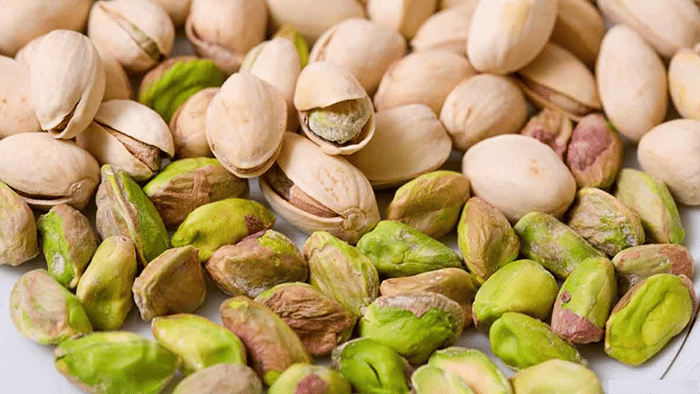
Pistachios are not actually nuts, they are a ‘drupe’, aka, a fleshy fruit that contains a shell-covered seed. However, we discard the fruity shells for the tasty seed within. But very few people know this and most misunderstand pistachios as nuts.
Raspberries Are A Member Of The Rose Family, Not Fruits
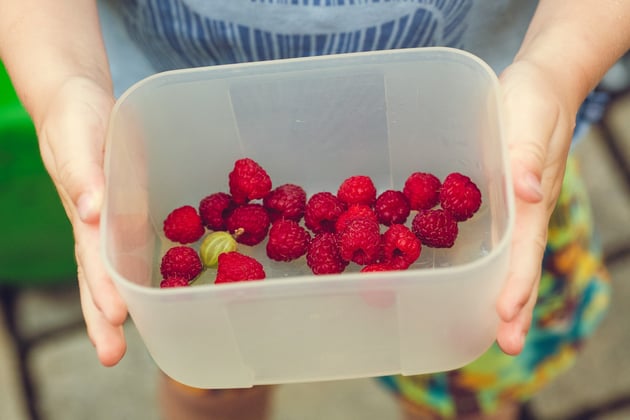
Raspberries are members of the Rosaceae or Rose family. They qualify as fruits technically as they develop as aggregate fruit in flowers whose carpels are numerous and distinct. However, the many nutrients and antioxidants of raspberries, similar in quality to berries, make people term them together.
Potatoes Were The First Tubers To Be Planted In Space
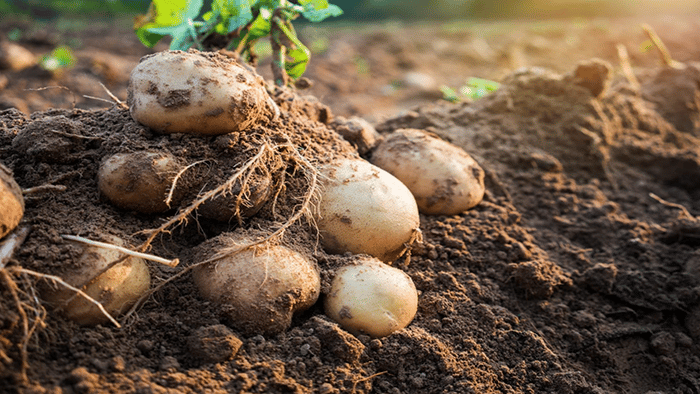
Potatoes are reputed for being the first food to be cultivated in space, in October 1995 by NASA. It was developed with the intention of feeding future astronauts on lengthy space missions and ultimate space colonies.
Figs Are Flowers, Not Fruits
Figs are not fruits, they are inverted blossoms or baby flowers that bloom in a different, pear-shaped pod, unlike apples and peaches. This fact will surely delight kids who find flowers pretty enough to eat, as they have always been eating some without even realizing it.
Almonds Are Seeds, Not Nuts
Like pistachios, almonds are also a kind of drupe. The growing almond fruit resembles a peach till it matures and splits open to pop out the almond seed that we all love and eat. Despite being considered nuts, they are seeds enclosed in a hard fruit covering. Their richness in healthy fats and nutrients makes people falsely associate them with nuts.
Strawberries Are Not Berries, But Bananas And Watermelon Are
Many botanists call strawberries a ‘false fruit’ or a pseudocarp. A strawberry is a ‘multiple fruit’, a fruit containing many tiny fruits embedded as ‘seeds’ throughout. But bananas and watermelon, contrary to popular belief, are not fruits but berries. While bananas can still be botanically termed as both fruit and berry, due to their structure, watermelons are a kind of fruit called ‘pepo’ that are berries with a tough rind, delicious fleshy fruit, and lots of flat seeds.
You Can Hear Rhubarb Growing
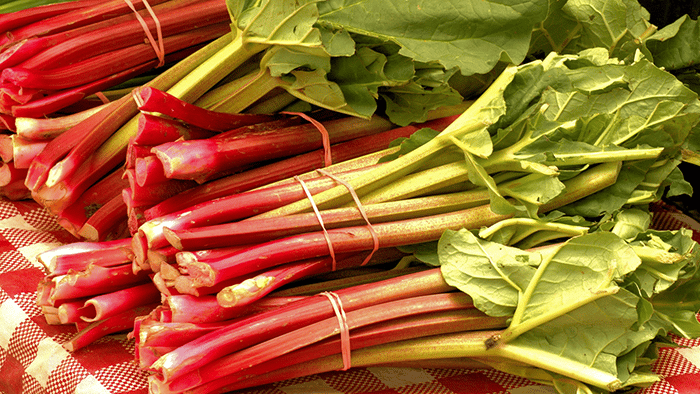
The growing and harvesting of rhubarb is a complex procedure, that involves transporting plants from the field to dark sheds. The dark, heated environment compels the plants to reach for the skies and grow at an advanced rate of up to a few inches per day. This sped-up maturation of rhubarb happens so fast that you can hear its buds and stalks popping and creaking as the cells divide super-fast.
Lemons Float But Limes Sink In Water
Both lime and lemon have densities close to water, which should result in both floating. But limes are slightly denser than lemons, which is why they sink when unpeeled while lemons slightly sink and continue to bob and float. Give this fun experiment a try with your second graders; they will love it.
In Winter, Carrots Grow Sweeter
Since plants cannot move in winter, they must develop various methods and defense techniques to battle the cold. As a physiological defense response to cold, carrots convert their stored starches into sugar to stop ice crystal formation and cell damage. As a result, we get to enjoy carrots as sweet as candy in winter, along with some homemade carrot halwa.
Conclusion: Making Nutrition Fun
Helping children enjoy healthy eating starts with making food interesting rather than forcing it. Sharing fun facts, exploring colourful ingredients, and involving children in everyday cooking can turn mealtimes into exciting learning experiences. The more curious children become about fruits, vegetables, and other healthy foods, the more confident they are in trying them and building balanced eating habits.
Engage with Food Experiments
Simple kitchen activities can make nutrition even more enjoyable. Try growing spring onions in water, observing how beans sprout in a glass jar, making colourful fruit rainbows, comparing floating and sinking fruits, or tasting different fruits with your eyes closed to guess the flavour. These hands-on activities help children learn through play while building curiosity about healthy foods.
Frequently Asked Questions
What are some fun ways to teach kids about nutrition?

Use colourful meals, food games, cooking activities, gardening, fun quizzes, and interesting food facts to make healthy eating enjoyable and memorable.
How can food facts help my child eat healthier?
Fun food facts spark curiosity, reduce fear of new foods, encourage healthy choices, and make children more willing to try fruits and vegetables.
Her love for storytelling began with reading her grandfather’s speeches, where Tarishi saw the power of words in creating lasting memories. Combining her passions for food and writing, she has turned her life into a fulfilling path of sharing stories that celebrate flavours and how food brings communities together.
The views expressed are that of the expert alone.
Popular Topics