




 Parenting Guide


 Child Health & Growth


 Learning & Skills Development


 Food & Nutrition


 Bournvita





Introduction
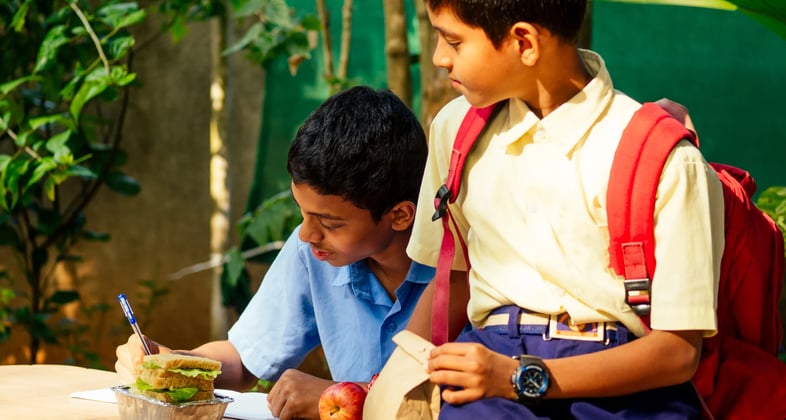
A child spends a significant part of the day at school, moving between classes, playtime and social activities. A nutritious lunch box can help provide the energy they need while supporting concentration and keeping hunger at bay. However, packing lunch for children can be challenging, especially when they are picky eaters who quickly reject foods they do not find appealing. Parents may then end up packing the same preferred foods repeatedly instead of offering a varied meal.
A survey by the University of Leeds found that fewer than two in 100 children's lunch boxes were nutritionally balanced, while only one in five contained vegetables or salad. The findings also highlighted gaps in calcium, vitamin A, vitamin C and zinc. A colourful, varied and well-balanced lunch box can make nutritious eating more appealing to children.
Tips to Make Kids Enjoy Their Lunch Box
Give the Lunch an Appealing Look
Children are naturally drawn to colours, shapes and attractive presentation. Add colourful fruits, cut sandwiches into fun shapes, or arrange different foods neatly to make the lunchbox more inviting.
Avoid Repetition
Packing the same food every day can make children lose interest. Rotate different grains, vegetables, proteins, and fruits throughout the week to add variety.
Keep It Snacky and Easy to Eat
School recess is also a time for children to play and socialise. Pack bite-sized, easy-to-eat foods that they can finish comfortably before heading back to class.
Involve Your Kid in Planning
Give your child two or three healthy options and let them choose what goes into the lunch box. You can also take them grocery shopping and allow them to select foods from a healthy list. This gives them a sense of independence while keeping the final choices practical.
Reward Them Occasionally
Occasional treats can be included as part of a balanced approach. Children are less likely to feel overly restricted when favourite foods are allowed in moderation.
Pack a Little Extra Food
Children may share food with friends or feel hungrier after an active morning. Packing a little extra can ensure they have enough to eat if needed.
Choose Easy-to-Use Tiffin Boxes
A lunch box should be simple for your child to open, close and handle independently. Avoid lids or locks that are too difficult for small hands to manage.
What Makes a Lunch Box Nutritionally Balanced?
Strike the Right Balance With Five Food Groups
A balanced lunch can include foods from grains, fruits, vegetables, protein and dairy groups. A simple combination could include:
- Protein: Roasted chickpeas, cheese cubes or mixed-bean salad
- Fruit: Apple, pear, banana, chikoo or another seasonal fruit
- Vegetables: Cucumber, carrot or radish sticks
- Dairy: Milk or yoghurt
- Whole grains: Rice, whole-wheat foods or pasta
Many lunch boxes lacked enough dairy and failed to meet recommended levels of calcium, vitamin A, vitamin C and zinc.
Don't Forget Omega-3
Nuts and seeds can be useful additions to a child's lunch box. Flaxseeds, walnuts, chia seeds and pumpkin seeds are examples that can be added to yoghurt, snacks or homemade mixes.
Try the Bento Box Style for Variety
The Japanese bento-style lunch box is useful for presenting several foods in separate compartments. The suggested 4:3:3 proportion uses four parts carbohydrates, three parts protein and three parts vegetables. You can include foods such as sandwiches, falafel and hummus, cucumber, baby corn, carrots, fruit and nuts.
Separate compartments also make the lunch visually appealing and help prevent different foods from mixing. Let your child choose a lunch box featuring a favourite character, sport or design to make the routine more exciting.
Don't Forget Hydration
Water should be the main drink packed with lunch. Depending on your child's routine, fresh fruit or dairy-based drinks can also add variety. Encourage children to drink regularly throughout the school day, particularly after physical activity or during warmer weather.
Conclusion
A good lunch box does not have to be complicated. The winning combination is balance, variety and appealing presentation. Include foods from different groups, rotate ingredients and involve your child in simple choices. With colourful portions and a little creativity, everyday Indian lunch box ideas can make nutritious eating more enjoyable for kids.
Frequently Asked Questions
What should a healthy lunch box for kids include?

A balanced lunch box can include whole grains, a protein source, fruit, vegetables and dairy or a suitable alternative, along with water for hydration.
How can I make my child's lunch box more appealing without junk food?
Use colourful fruits and vegetables, cut foods into fun shapes and arrange different foods in separate bento-style compartments.
What are good sources of Omega-3 for kids' lunch boxes?
Flaxseeds, walnuts, chia seeds and pumpkin seeds are simple options that can be added to yogurt, homemade snacks or lunch-box mixes.
Her love for storytelling began with reading her grandfather’s speeches, where Tarishi saw the power of words in creating lasting memories. Combining her passions for food and writing, she has turned her life into a fulfilling path of sharing stories that celebrate flavours and how food brings communities together.
The views expressed are that of the expert alone.
Popular Topics