




 Parenting Guide


 Child Health & Growth


 Learning & Skills Development


 Food & Nutrition


 Bournvita





Introduction
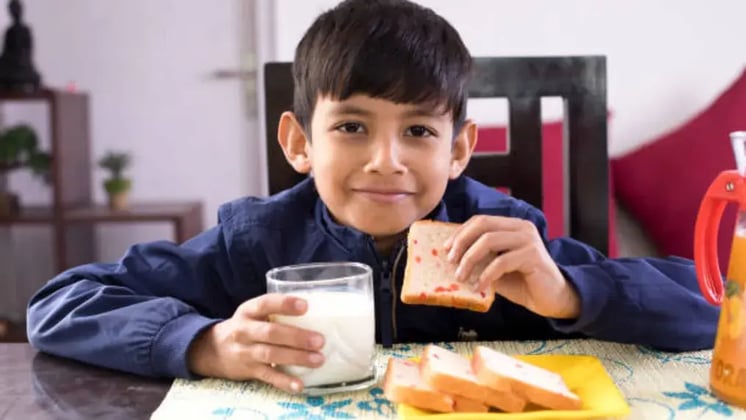
A child's height is influenced by several factors, including genetics, sleep, regular physical activity, and nutrition. While genes determine a child's growth potential, a balanced diet provides the nutrients needed to help them reach that potential. The growing years, especially between the ages of 5 and 15, are a crucial period for bone development, muscle growth, and overall physical development.
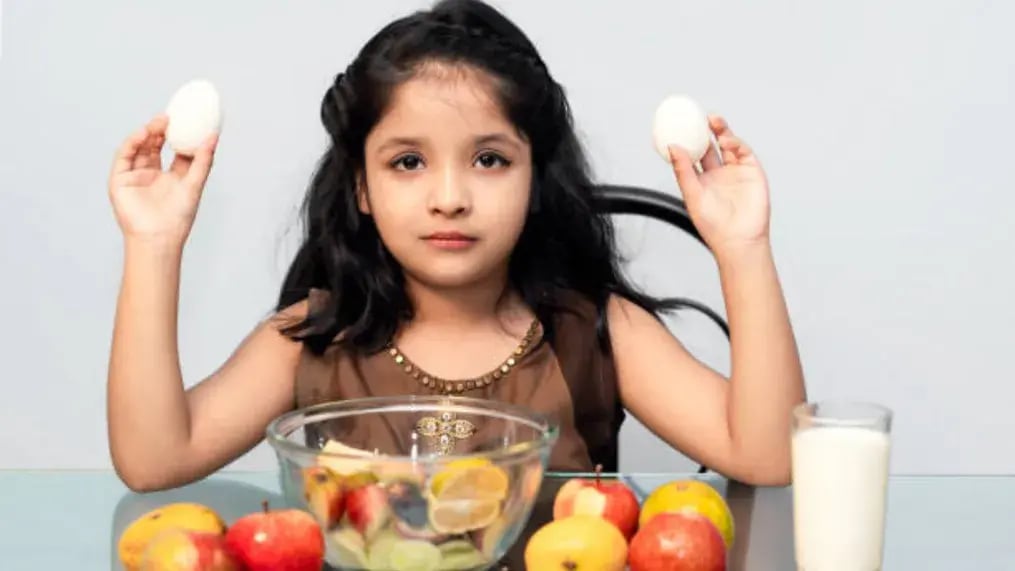
Including the right height growth foods in your child's daily meals supports healthy bones, strong muscles, and steady growth. Nutrients such as protein, calcium, vitamin D, zinc, magnesium, and phosphorus work together to strengthen bones, support healthy growth plates, and promote overall development. Fortunately, many of the best food for height growth in kids are already part of everyday Indian kitchens. Along with nutritious meals, regular exercise, outdoor play, and adequate sleep create the ideal foundation for healthy growth and lifelong well-being.
9 Foods to Feed Your Kids for Height Growth
Ragi (Finger Millet)
According to a study published in Evid Based Complement Alternat Med (2021), ragi is naturally rich in calcium, iron, and essential amino acids that support healthy bone development. Serve it as porridge, dosa, roti, or laddoo. Pairing ragi with milk or curd can make it an even more nutritious meal for growing children.
Paneer
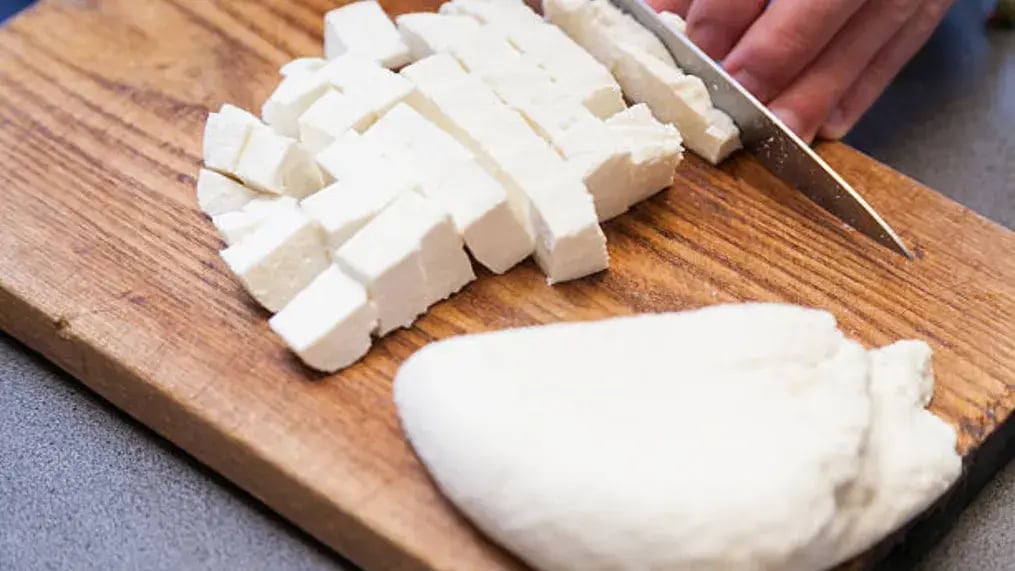
As per a study published in J Food Sci Technol (2011), paneer provides high-quality protein and calcium, both of which support bone and muscle development. Add paneer to parathas, curries, sandwiches, wraps, or salads to help children meet their daily protein requirements while supporting healthy growth.
Boiled Eggs
According to research published in Nutrients (2019), eggs provide protein, vitamin D, healthy fats, and several essential vitamins needed during childhood. Boiled eggs, omelettes, scrambled eggs, egg sandwiches, and mild egg curries are simple ways to include this nutrient-rich food in your child's diet and support normal growth.
Moong Dal and Toor Dal
Research published in Int J Mol Sci (2017) suggests that moong dal and toor dal are excellent sources of plant-based protein and iron. They support muscle growth, healthy tissues, and sustained energy levels. Serving dal with rice and a squeeze of lemon or tomatoes helps improve iron absorption.
Bananas
According to the ICMR – National Institute of Nutrition, bananas provide potassium, magnesium, and carbohydrates that support healthy muscles, bone function, and everyday energy. They make an excellent breakfast addition, school snack, or post-play snack for active children.
Milk and Milk Products
According to FSSAI, milk provides calcium, protein, and vitamin D that contribute to healthy bone development. Fortified milk can help increase vitamin D intake where appropriate. Milk, curd, yoghurt, and homemade smoothies are easy ways to include dairy as part of a balanced diet for growing children.
Almonds and Soaked Dry Fruits
According to the ICMR – National Institute of Nutrition, almonds, raisins, and dates provide healthy fats, magnesium, iron, and protein that support bone health and overall growth. Serve soaked almonds in the morning or blend dry fruits into smoothies and porridges for a nutritious snack.
Leafy Greens Like Palak and Methi
As per CCRH, leafy vegetables such as spinach and fenugreek provide calcium, magnesium, vitamin K, and other important nutrients that support healthy bones. Add them to parathas, dal, soups, or curries to increase children's vegetable intake without changing familiar flavours.
Seasonal Fruits Rich in Vitamin C
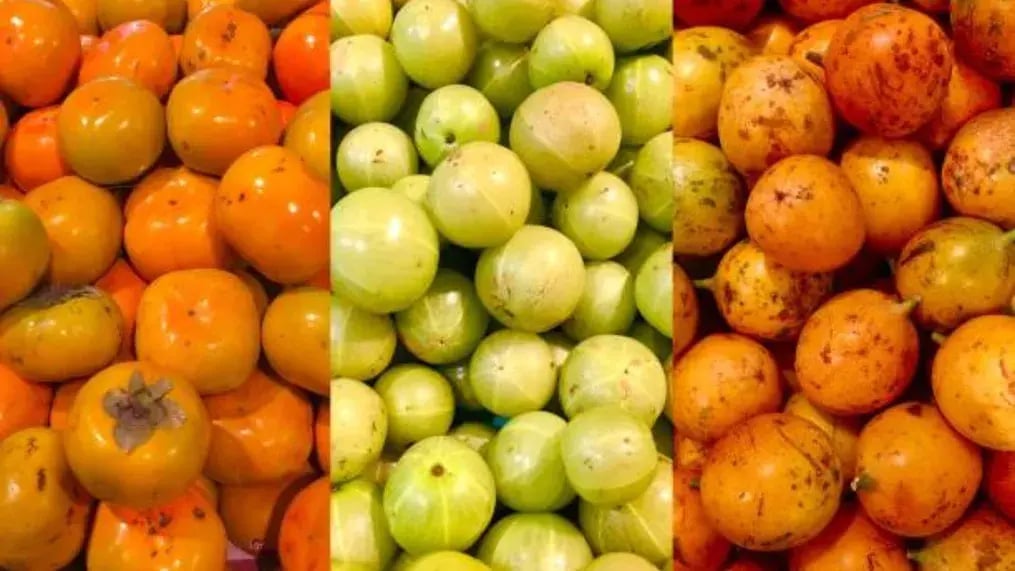
According to UNICEF, fruits such as oranges, guava, amla, kiwi, and sweet lime are rich in vitamin C, which helps improve iron absorption and supports collagen formation for healthy bones and tissues. A daily serving of seasonal fruits also contributes to overall immunity and growth.
Conclusion
These growth-supporting foods are not exotic or hard to find—they're probably already in your kitchen. By including a balanced mix of grains, proteins, fruits, and greens in daily meals, you give your child the best support for healthy growth. Consistency, care, and variety in food can help your child grow stronger and reach their full height naturally.
Frequently Asked Questions
What foods help kids grow taller?

Protein-rich foods, dairy, eggs, dals, ragi, fruits, leafy greens, and calcium-rich foods support healthy growth alongside sleep and physical activity.
Are supplements necessary for height growth?
Most children can meet their nutritional needs through a balanced diet. Supplements should only be given if recommended by a paediatrician.
Her love for storytelling began with reading her grandfather’s speeches, where Tarishi saw the power of words in creating lasting memories. Combining her passions for food and writing, she has turned her life into a fulfilling path of sharing stories that celebrate flavours and how food brings communities together.
The views expressed are that of the expert alone.
Popular Topics