



 Parenting Guide


 Child Health & Growth


 Learning & Skills Development


 Food & Nutrition


 Bournvita





Introduction
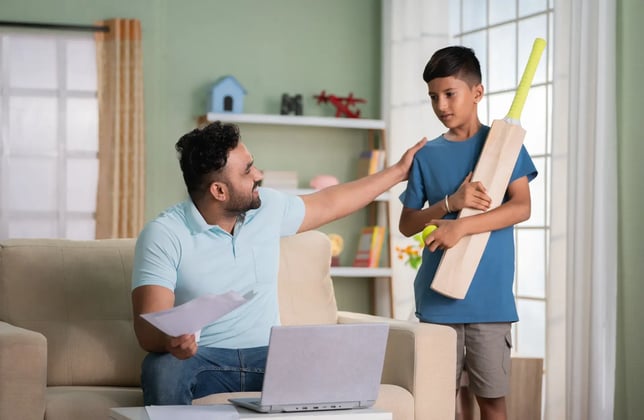
Finding ways to keep tweens active doesn't have to mean expensive equipment or strict workout schedules. Building a fitness-friendly home is about creating everyday opportunities for movement that feel enjoyable, natural, and part of family life. As screen time becomes a larger part of children's routines, parents can encourage healthier habits by making physical activity fun rather than forced. Whether it's dancing together, playing badminton in the evening, setting up indoor activities for tweens, or taking family walks, small changes can make a big difference. Research also suggests that children are more physically active when they enjoy the activity and when family members participate. In this guide, you'll discover practical, easy ways to create a home environment that supports tween fitness, encourages regular movement, and helps your child build healthy habits that last a lifetime.
Why Tween Fitness Matters
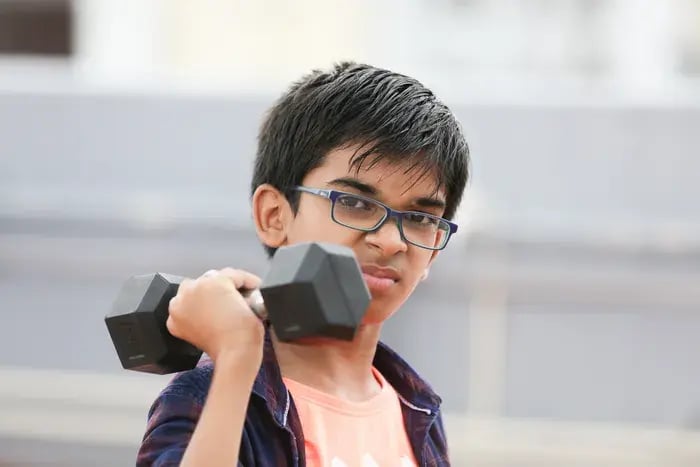
The tween years are an ideal time to build healthy habits that can last a lifetime. Regular physical activity helps preteens develop stronger bones and muscles, maintain a healthy weight, improve heart health, and build better coordination. Exercise also supports emotional well-being by reducing stress, boosting mood, and improving focus in school. As screen time continues to increase, encouraging daily movement becomes even more important. Research shows that children are more likely to stay physically active when they enjoy the activity and when family members participate. By making fitness fun and part of everyday family life, parents can help tweens develop positive habits that continue into adulthood.
Make Movement Fun and Social
Tweens stick with activities they enjoy and share with others. When exercise feels exciting instead of compulsory, children are far more likely to stay active. Giving them choices and opportunities to move with friends and family helps fitness become a natural part of daily life.
Let Them Pick Activities They Enjoy
Allow your tween to choose activities they genuinely look forward to instead of deciding everything for them. Some children may enjoy dancing, while others prefer cricket, badminton, cycling, skating, swimming, or football. When children have a say in selecting their activities, they feel more motivated to participate consistently and are less likely to lose interest. Encourage them to explore different sports until they discover what they enjoy most.
Involve the Whole Family
Fitness becomes much more enjoyable when the entire family joins in. Plan weekend walks, nature trails, evening badminton matches, family cycling trips, or a game of gully cricket. You can also include cultural activities such as folk dancing during festivals or family celebrations. These shared experiences improve physical health while creating meaningful family memories and strengthening relationships.
Select Appropriate Exercises
Children at the preteen age stage require suitable exercises that cater to their physiological stage. Avoid intense running and weightlifting since it may prove detrimental to the young growing bones and muscles, but skipping, swimming, cycling, and group games are some recommended exercises. Participate in school sports or in the local clubs as well, thus ensuring they get the right balance of exercise while avoiding activities that could strain their growing bodies
Set Up the Space and a Routine
A little structure and the right setup go a long way. Creating an inviting space and following a regular schedule makes it easier for tweens to stay active without daily reminders.
Build It Into the Daily Routine
Choose a consistent time for physical activity, such as 30 minutes after school or before dinner. A regular schedule helps exercise become a habit rather than something that needs daily negotiation. Keep the routine flexible enough to fit around homework, extracurricular activities, and family commitments while maintaining consistency.
Create a Safe Space and Get the Gear
You don't need a large home gym to encourage movement. A terrace, balcony, courtyard, living room, or nearby park can all provide enough space for exercise. Ensure children wear comfortable clothing and supportive shoes. For cycling, skating, or similar activities, always use properly fitted helmets and protective pads to reduce the risk of injuries.
Active Toys and Equipment
Engage the child in fitness with age-appropriate active toys. Simple items like skipping ropes, hula hoops, basketballs, and cricket bats encourage movement. A small indoor trampoline or a punching bag can keep children active indoors. Investing in such items may help preteens find fun in movement and stay engaged in physical activities at home.
Be an Active Role Model
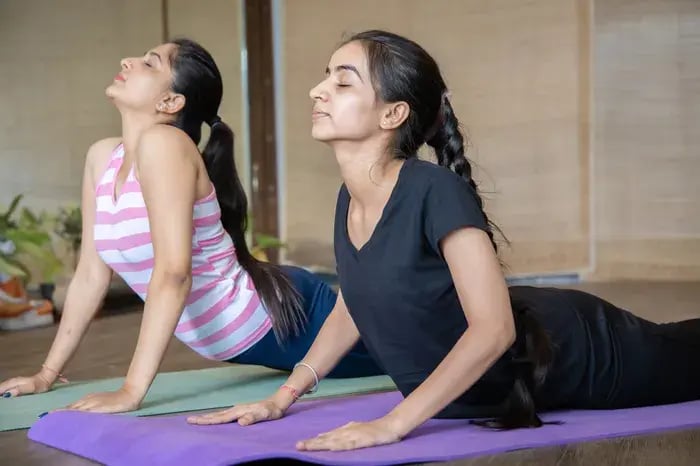
Children often copy what they see more than what they are told. When parents prioritise walking, yoga, cycling, or other forms of exercise, tweens naturally begin to view physical activity as a normal part of everyday life. Instead of simply encouraging your child to exercise, participate alongside them. Exercising together makes fitness more enjoyable and reinforces healthy habits through positive example.
Limit Screen Time and Encourage Movement
Reducing screen time is key to ensuring kids stay active. Set daily limits on TV, gaming, and phone usage, and replace that time with physical activities. Encourage active breaks, if your child watches TV, use commercial breaks for quick stretches or jumping jacks. Making screen-free time a rule ensures that movement becomes a natural part of their routine.
Avoid Overloading and Encourage Rest
While fitness is essential, overexertion can cause burnout and injuries. Ensure your child is not overloaded with too many activities. Balance exercise with rest and relaxation. If they complain of pain or fatigue, let them slow down and opt for gentler activities like yoga or light stretching. Keeping a balance between activity and recovery helps maintain a healthy and sustainable fitness routine.
Indoor Activities and Workouts for Tweens
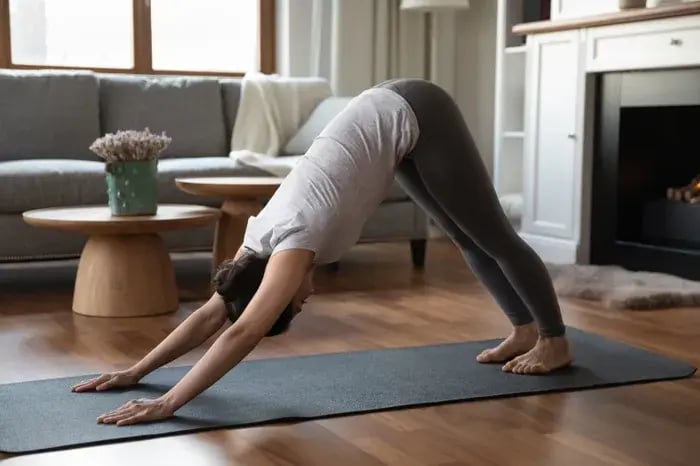
Bad weather or busy schedules don't have to stop tweens from staying active. Many enjoyable indoor activities provide excellent exercise while keeping children entertained.
Some fun indoor activities include:
- Dancing to favourite songs.
- Skipping rope.
- Hula hooping.
- Indoor trampoline jumping (with supervision).
- Beginner yoga sessions.
- Homemade obstacle courses using cushions and cones.
- Active video games that encourage movement.
- Commercial-break movement challenges while watching television.
Active toys such as balance boards, soft medicine balls, resistance bands, mini hurdles, or agility ladders can also make home workouts more engaging.
Simple Tween Workout Routine
This beginner-friendly bodyweight routine can be completed in 15–20 minutes:
- 20 Jumping Jacks
- 10 Bodyweight Squats
- 10 Lunges on each leg
- 20-second Plank
- Repeat the circuit 2–3 times with short water breaks.
This routine helps improve strength, endurance, coordination, and overall fitness without requiring any gym equipment.
Limit Screen Time
Rather than simply restricting screen time, replace some of it with enjoyable movement. Encourage dance breaks, family walks, skipping challenges, or quick stretching sessions between homework or television shows. Creating positive alternatives makes it easier for children to reduce sedentary time without feeling deprived.
Keep It Safe and Balanced
Tweens benefit most from activities that match their stage of growth and development. Focus on age-appropriate exercises such as swimming, cycling, skipping, dancing, yoga, running games, and team sports instead of heavy weightlifting or highly intense training programmes. Their growing bones, muscles, and joints need gradual progression rather than excessive strain.
Equally important is balancing activity with adequate rest. Encourage children to listen to their bodies and take breaks when they feel tired or sore. If a child experiences pain, dizziness, or unusual fatigue, stop the activity and allow proper recovery. A balanced approach helps prevent injuries while making fitness enjoyable and sustainable.
Conclusion: Small Tweaks, Active Kids
Creating a fitness-friendly home doesn't require expensive equipment or strict workout schedules. Small changes—such as encouraging family activities, setting aside daily movement time, creating a safe exercise space, and letting tweens choose activities they enjoy—can make a lasting difference. When fitness is fun, supportive, and part of everyday family life, children are more likely to stay active, healthy, and confident. Consistency, encouragement, and shared experiences matter far more than perfection.
Frequently Asked Questions
What are good indoor activities for tweens?

Great indoor activities include dancing, skipping, yoga, hula hooping, indoor obstacle courses, active video games, jumping jacks, bodyweight workouts, and mini fitness challenges. These activities help tweens stay active even when outdoor play isn't possible.
How much physical activity do tweens need?
Tweens should aim for at least 60 minutes of moderate-to-vigorous physical activity every day. This can include sports, active play, cycling, dancing, swimming, walking, or structured exercise, along with activities that strengthen muscles and bones several times a week.
Her love for storytelling began with reading her grandfather’s speeches, where Tarishi saw the power of words in creating lasting memories. Combining her passions for food and writing, she has turned her life into a fulfilling path of sharing stories that celebrate flavours and how food brings communities together.
The views expressed are that of the expert alone.
Popular Topics