




 Parenting Guide


 Child Health & Growth


 Learning & Skills Development


 Food & Nutrition


 Bournvita






Introduction
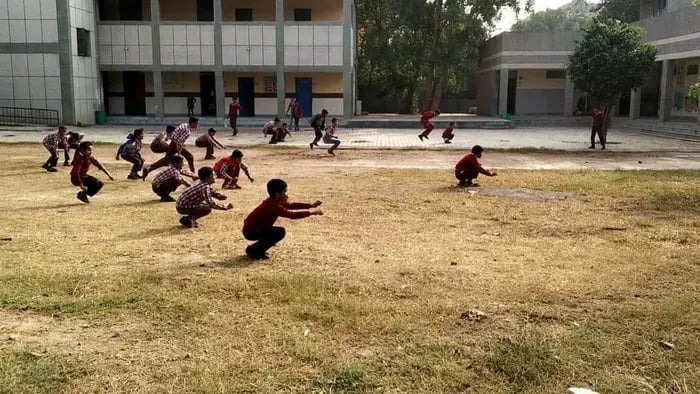
Warm-up and cool-down exercises for kids are an important part of any physical activity routine. A warm-up is a period of gentle to moderate movement before exercise that gradually prepares the body, while a cool-down follows exercise and slowly brings the body back towards rest. Although these extra minutes may seem unnecessary, they can help children prepare their muscles and joints for activity and recover more comfortably afterwards. With many children becoming enthusiastic about sports and exercise, jumping straight into intense activity without preparation may leave them feeling tired, stiff, or uncomfortable.
Simple activities such as dancing, walking, yoga, animal movements, and playful obstacle courses can make warming up and cooling down more enjoyable. These activities can also be adapted to suit a child's age, fitness level, and interests, making them easier to include in everyday play or organised exercise. Teaching children these habits early can help them understand that staying active is not only about the main workout or sport. Preparing the body before exercise and slowing down afterwards are also important parts of an enjoyable fitness routine. With the right activities, warm-ups and cool-downs can become a fun part of your child's movement routine rather than something they want to skip.
Why Warm-Up and Cool-Down Exercises Matter for Kids?
Warm-ups prepare the body for physical activity, while cool-downs help it gradually return to its resting state.
Benefits of Warming Up
A warm-up gradually increases body temperature and improves muscle mobility before more intense exercise. Starting slowly can help the body adjust to increased oxygen and energy demands, reducing the chance of excessive muscle soreness, stiffness, and discomfort.
Benefits of Cooling Down
Cooling down helps gradually lower your child's heart rate and body temperature after exercise. Gentle movement can support muscle recovery, ease tension, and provide a relaxing transition from active play to rest.
6 Fun Warm-Up and Cool-Down Exercise Ideas
These playful activities can make preparation and recovery more enjoyable while helping children stay active.
Dance-Offs
Put on your child's favourite music and let them dance for a few minutes before exercise. Dancing gets the body moving gradually and can make warm-ups feel more like play than preparation.
Animal Races
Turn warm-up movements into a playful race. Children can try frog jumps, lizard crawls, or other animal-inspired movements while moving towards a finish line. Keep the pace comfortable so the activity warms them up without leaving them exhausted.
Obstacle Courses
Create a simple obstacle course using age-appropriate movements and household or sports equipment. Adjust the distance, number of obstacles, and difficulty according to your child's stamina so they stay active without becoming overly tired.
Yoga
Gentle yoga movements can work well before or after physical activity. Simple poses and stretches can encourage circulation, improve joint and muscle mobility, and help children slow down and become more mindful after exercise.
Walking
Walking can work as both a warm-up and cool-down. A brisk walk gradually raises body temperature and prepares the muscles, while gentle walking after exercise helps the body transition towards rest.
Create a Fitness Card
Make a simple fitness card listing warm-up, exercise, and cool-down activities such as bicycle kicks, lunges, or age-appropriate squats. Children can tick each activity when completed, creating a simple tracking system that keeps them interested and motivated.
How Long Should Warm-Ups and Cool-Downs Last?
For most children, a 5–10 minute warm-up can be a practical starting point before moderate or vigorous activity. It should begin gently and gradually become more active.
A cool-down can also last around 5–10 minutes, using slower movements such as gentle walking or simple stretches. The exact duration can vary depending on the child's age, activity, intensity, and fitness level.
Conclusion
Warm-ups and cool-downs are an important part of helping children enjoy physical activity safely and comfortably. Encourage your child with simple praise or another small reward when they remember to prepare and cool down after exercise. Most importantly, keep activities fun, varied, and age-appropriate so children do not feel that these steps are another chore. Building these habits early can make preparing for exercise and recovering afterwards a natural part of an active lifestyle.
Frequently Asked Questions
How long should a child's warm-up and cool-down last?

A warm-up and cool-down can each take around 5–10 minutes, depending on the child's age and the intensity of the activity. Keep movements gentle and gradually adjust the pace.
What happens if kids skip warming up before exercise?
Skipping a warm-up means the body moves suddenly from rest to activity without gradual preparation. This may increase muscle stiffness and discomfort and make intense exercise feel harder.
Her love for storytelling began with reading her grandfather’s speeches, where Tarishi saw the power of words in creating lasting memories. Combining her passions for food and writing, she has turned her life into a fulfilling path of sharing stories that celebrate flavours and how food brings communities together.
The views expressed are that of the expert alone.
Popular Topics