



 Parenting Guide


 Child Health & Growth


 Learning & Skills Development


 Food & Nutrition


 Bournvita




Introduction
Butter is usually a dairy product made from the proteins and fats found in various animal milk and cream. Most animal-based butter is usually made from cow milk, but various parts of India use milk from local animals like goats, sheep, and even yak’s milk to make butter. However, unlike popular myths, butter is not bad for your kid’s health when consumed in moderation. But that is not the only kind of butter available nowadays. Butter can be plant-based as well, derived from nuts and seeds. These butters are an excellent source of nutrition with healthy fats that help lower levels of bad cholesterol in the body. But several children suffer from lactose intolerance or nut allergies. Therefore, it is important to know which kind or types of butter are suitable for your kids, based on their allergies and intolerances. And since butter is a crucial part of the Indian daily diet, it is ideal to get it right. Here is a quick guide to butter and whether it is good for your kid.
Why Consider Plant-Based Butter?
Plant-based butter, including nut and seed butters, can be a nutritious addition to a child's balanced diet when served in age-appropriate portions. Many options are rich in healthy unsaturated fats, plant-based protein, fibre, vitamin E, and minerals that support healthy growth, brain development, and sustained energy levels. For parents looking for the best nut butter for kids, options like peanut, almond, and cashew butter provide a variety of beneficial nutrients while adding flavour to everyday meals.
Another advantage of Plant-Based Butter for kids is that it can be a suitable alternative for families following vegetarian or plant-based diets. Compared to traditional butter, many plant-based butters contain more unsaturated fats and less saturated fat. Choosing products with minimal ingredients and no added sugar or excessive salt helps ensure children receive the greatest nutritional benefits.
Is Butter Good For Your Kids?
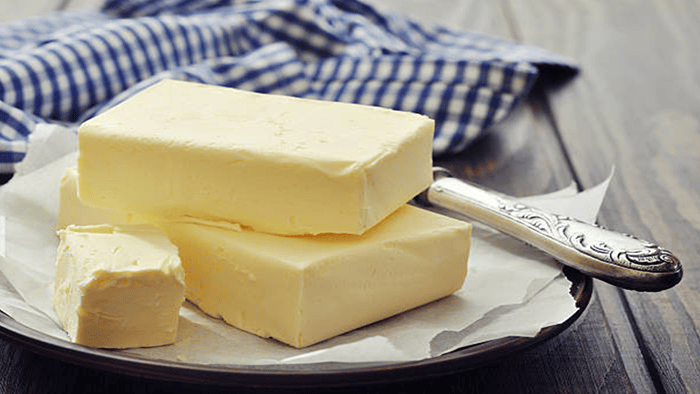
Traditional butter is made by churning high-fat milk or cream to separate the fat and buttermilk. It had received a bad name in the previous decades for possessing saturated and trans fats. High levels of the former are unhealthy, while any amount of commercial trans fat is toxic to health. However, the amount of saturated fat and trans fat found in butter is very little, especially when one considers the daily suggested serving of butter. Similarly, butter also possesses some monounsaturated and polyunsaturated fats which are good for health and improve absorption of vitamins and minerals. But butter has cleared its name in nutrition in recent times due to its multiple nutrients. Animal-based butter contains butyric acid (found mainly in cow, sheep, and goat’s milk) which reduces digestive inflammation and has been used to treat Crohn’s disease. It also contains conjugated linoleic acid which aids in weight loss and offers protection from certain cancers, in small doses. Butter also possesses abundant amounts of vitamin A, vitamin B12, vitamin D, and vitamin K, all of which offer multiple health benefits to your kid’s body. The health benefits include improving bone health, aiding blood clotting factors, and enhancing the immune system, among others. However, since it is rich in fats, butter should not exceed more than a 30-gm serving in a day, with minimal oil used in other foods for the rest of the day. Therefore, while animal-based butter is good for health in small quantities, it is better to explore other kinds of butter for daily use.
Types Of Plant-Based Butter To Incorporate Into Your Kid’s Diet
Peanut Butter
Peanut butter is the most affordable nut butter of the lot and is the quintessential nut butter for Indian households. Those with tree nut allergies can chomp on their peanut butter and jelly sandwiches in peace as they are technically legumes. Rich in protein, fatty acids, vitamin E, potassium, and magnesium, peanut butter is highly versatile, going well with sweet and savory foods across cultures and kitchens.
Almond Butter
Slightly runnier, lightly sweet, yet golden in color and nutrients, almond butter is great for your kid’s heart with its rich levels of unsaturated fats, fiber, and vitamin E. Protein enthusiasts can rejoice as this nut butter scores high in this area as well. Its thin consistency makes it perfect for frizzling over fruit nachos, smoothies, fruit-laden toasts, and overnight oats.
Pistachio Butter
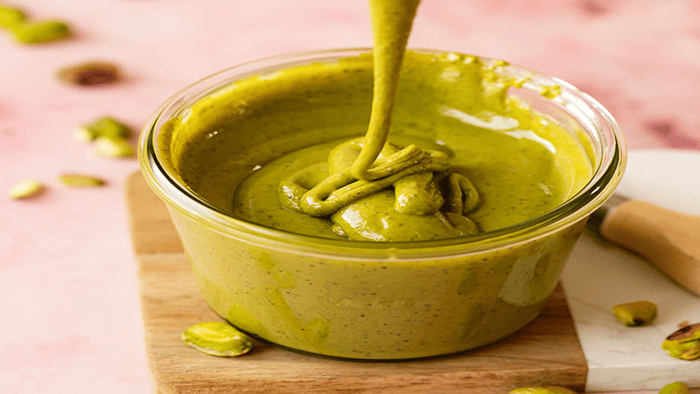
Green and gorgeous is the result of all-natural pistachio butter. All you need is a blender or processor, some water, and good-quality pistachios at home. Pistachio butter works like magic when lowering blood pressure, lowering stress, controlling sugar levels, and improving skin quality, thanks to its rich levels of fiber, vitamin E, protein, monounsaturated fatty acids, and copper.
Pumpkin Seed Butter
Brimming with zinc, iron, magnesium, protein, and healthy unsaturated fats, pumpkin seed butter has a unique earthy flavor and can be seasoned well to make a tasty dip for sliced vegetables, ragi crackers, or fruit slices for children.
Sunflower Seed Butter
Sunflower seed butter is the solution for kids with peanut, sesame, and tree nut allergies. Rich in selenium, magnesium, and vitamins B and E, sunflower seed butter tastes great when paired with some sandwiches, fruit salads, soups, or used as a dip or dressing.
Sesame Seed Butter
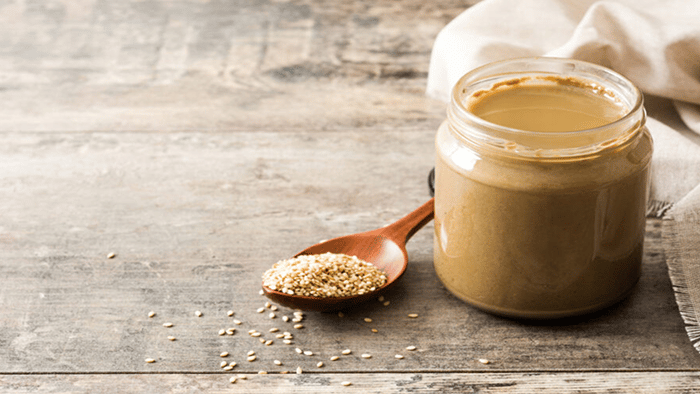
Sesame seed butter, also known as tahini in Middle Eastern countries, is a rich butter with an earthy, creamy texture. Replete with iron, calcium, protein, and healthy fats, sesame seed butter is great for your kids, especially when used to make hummus, salad dressings, dips, or spreads for sandwiches.
How to Incorporate Plant-Based Butter into Your Child's Diet
Adding plant-based butter to kids' everyday meals is simple and versatile. A small serving can increase the nutritional value of breakfasts, snacks, and lunchboxes by providing healthy fats and protein that help keep children full and energised. The key is to offer it as part of a varied diet that also includes fruits, vegetables, whole grains, dairy or suitable alternatives, and other protein-rich foods.
When choosing the best nut butter for kids, read the ingredient label carefully. Look for products made primarily from nuts or seeds, with little or no added sugar, hydrogenated oils, or excess sodium. Introduce nut butters carefully, especially in younger children, and always be aware of potential food allergies.
Easy Meal Ideas
Plant-based butter can be used in many child-friendly recipes and snacks, such as:
- Spread peanut or almond butter on whole-grain toast with sliced bananas.
- Stir cashew or peanut butter into warm oatmeal for a creamy breakfast.
- Blend nut butter into smoothies with milk, yogurt, and fresh fruit.
- Serve apple slices, pears, or celery sticks with nut butter as an after-school snack.
- Add a spoonful of peanut butter to homemade energy balls made with oats and dates.
- Use almond or cashew butter as a dip for whole-grain crackers or vegetable sticks.
- Spread sunflower seed butter on sandwiches as a nut-free alternative where appropriate.
Conclusion
Plant-based butters can be a nutritious addition to your child's diet when enjoyed in moderation as part of balanced meals. They provide healthy fats, protein, vitamins, and minerals that support growth and everyday energy. While choosing the best nut butter for kids, opt for products with simple ingredients and minimal added sugar or salt. Combined with a varied diet, regular physical activity, and healthy eating habits, Plant-Based Butter for kids can be a delicious way to support overall growth and development.
Frequently Asked Questions
Is plant-based butter safe for children?

Yes, most plant-based butters are safe for children when introduced at an appropriate age and served in moderation. Always check for nut allergies and choose products with minimal added sugar, salt, or unhealthy fats.
How much plant-based butter should my child consume?
The amount depends on your child's age and nutritional needs. Generally, a thin spread or one to two teaspoons as part of a balanced meal or snack is suitable. Follow your paediatrician's advice if you have specific dietary concerns.
Her love for storytelling began with reading her grandfather’s speeches, where Tarishi saw the power of words in creating lasting memories. Combining her passions for food and writing, she has turned her life into a fulfilling path of sharing stories that celebrate flavours and how food brings communities together.
The views expressed are that of the expert alone.
Popular Topics