




 Parenting Guide


 Child Health & Growth


 Learning & Skills Development


 Food & Nutrition


 Bournvita





Introduction
Summer is the best time to introduce kids to new, colourful fruits that are not only yummy but also packed with nutrients. With the heat, kids get tired, low on energy, or lose their appetite. That’s where seasonal fruits come in — they provide natural hydration, improve digestion and give essential vitamins for growth, immunity and overall well-being.
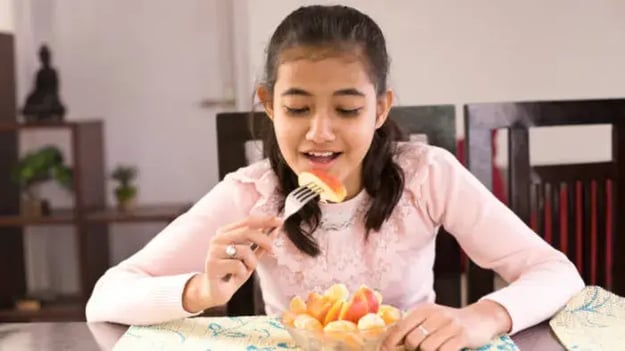
Teaching your child about summer fruits is a great way to build healthy eating habits from a young age. Whether it’s the juicy sweetness of mango, the cooling crunch of watermelon or the tangy taste of jamun, each fruit has something special. By learning their names, colours, and benefits, kids become more curious and open to trying new foods on their own.
These summer season fruits in India are easily available in local markets and can be added to your child’s meals in fun and simple ways — as snacks, smoothies, or fruit bowls. When kids know what they eat and how it helps their bodies, they start making more intelligent choices. Seasonal fruits keep their bodies cool and energized during summer and help them build a lifelong relationship with nutrition.
Why Summer Fruits Are Essential for Your Child's Health in the Indian Heat
Children can lose up to 1.5 litres of water per hour during active outdoor play in the Indian summer heat. No packaged drink can replace the natural hydration, vitamins, and minerals that fresh summer season fruits in India provide. Seasonal fruits are nature's way of helping children stay cool, energetic, and healthy during the hottest months of the year.
Natural Hydration
Many summer season fruits in India have high water content that helps maintain fluid balance. Watermelon contains about 92% water, while muskmelon and cucumber-rich fruit salads also help prevent dehydration and heat exhaustion during outdoor activities.
Immunity Support
Seasonal fruits are packed with vitamin C, vitamin A, and antioxidants that strengthen the immune system. Mangoes, guavas, and lychees help protect children from common summer illnesses while supporting healthy growth.
Natural Energy
Unlike sugary packaged drinks, fruits provide natural sugars along with fiber and nutrients. Mangoes, bananas, grapes, and chikoo offer sustained energy for active children without sudden sugar crashes.
Digestive Health
Heat can often slow digestion and lead to constipation. Fruits like papaya, guava, jamun, and bael provide dietary fiber and natural digestive compounds that support gut health.
For children aged 4–12 years, dietary guidelines generally recommend two to three servings of varied fruits daily. Including different summer season fruits in India helps meet hydration and nutrition needs naturally.
List of Best Summer Fruits in India for Kids
Mango (Aam) – The King of Summer Fruits for Kids
Mango remains one of the most loved summer season fruits in India. As per a study published in Front Plant Sci 2019, rich in vitamins A and C, fiber, and natural sugars, mango supports immunity, eye health, and energy levels. Active children especially benefit from its nutrient profile during busy summer days.
Traditional Indian households often soak mangoes in water for about 30 minutes before eating. This age-old practice is believed to reduce their heat-generating properties and makes them gentler for younger children. Popular varieties include Alphonso, Langra, Kesar, and Dashehari, each offering unique flavors. Serve fresh cubes, mango pulp with curd, or smoothies for a refreshing snack.
Since mango contains natural sugars, moderation is important. Limiting intake to 2–3 pieces per sitting helps avoid excess consumption while still enjoying its benefits.
Watermelon (Tarbooz) – The Ultimate Hydrator
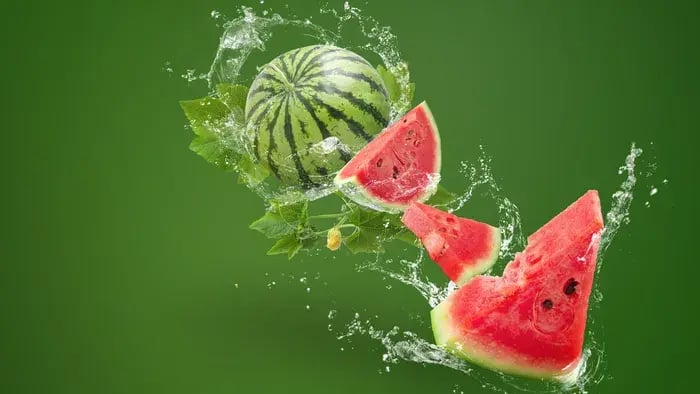
According to a study covered by EXCLI J 2014, watermelon is over 90% water and contains vitamin C and antioxidants like lycopene. It keeps the body hydrated, aids digestion, and prevents overheating after outdoor play. Slice it for a midday snack or scoop it into balls for fun eating. Mild sweetness and high water content make it perfect for hot days when your child needs a cooling and filling option.
Muskmelon (Kharbuja) – For Immunity & Skin
As reported in a study published in Plants (Basel) 2021, muskmelon is full of vitamins A and C and high in water content. It supports skin health and keeps your child hydrated and refreshed. A bowl of chilled muskmelon cubes can be served for breakfast or snack time. Soft texture makes it perfect for younger children, too.
Lychee (Litchi) – Sweet, Juicy and Full of Vitamin C
Lychees are sweet, juicy fruits packed with vitamin C, antioxidants, and natural sugars. These nutrients support immune health and help reduce fatigue during hot weather.
A study released by Pharmacogn Rev. 2016, children enjoy lychees because they are naturally bite-sized and easy to eat. Fresh peeled lychees can be served as a snack or mixed into colorful fruit bowls.
An important safety tip for parents: never give lychees to children on an empty stomach. They should always be eaten after meals, which helps maintain healthy blood sugar levels, especially for younger children.
Lychees deserve a place among the top summer season fruits in India because they combine taste with nutrition.
Jamun (Black Plum) – Gut Health and Iron for Active Teens
Jamun is a unique summer fruit with a tangy taste that many Indian children enjoy. According to a study published in Molecules 2022, rich in antioxidants and iron, it supports gut health, stamina, and helps reduce tiredness during hot weather.
For teen girls and children prone to anemia, jamun can contribute to better iron intake as part of a balanced diet. Its fiber content also supports healthy digestion during summer.
A sprinkle of black salt enhances both flavor and digestion, making jamun an easy afternoon snack. Unlike adult-focused discussions around blood sugar, jamun's biggest advantages for kids include digestive support and natural energy.
Bael (Wood Apple) – India's Traditional Summer Coolant for Kids
Bael has been used in Indian households for centuries as a natural summer coolant. Traditional bael sherbet is widely appreciated for helping manage summer heat and digestive discomfort.
According to ICAR, bael is particularly helpful for children who experience stomach cramps or loose motions during the hot season. Its fiber and digestive compounds support bowel health while helping maintain hydration.
A simple bael sherbet can be made by mixing bael pulp with water, jaggery, and a pinch of cardamom. This refreshing drink offers a healthier alternative to packaged beverages and showcases why summer season fruits in India remain deeply connected to traditional wellness practices.
Papaya (Papita) – Digestive Enzyme Powerhouse for Summer Gut Health
Papaya is rich in vitamin C, beta-carotene, and the digestive enzyme papain. Based on a study, Nutrients 2019, this enzyme is particularly beneficial during summer when heat may slow digestion and cause bloating in children.
Mashed papaya works well for babies transitioning to solid foods, while older children can enjoy fresh slices or smoothies. For dairy-free options, papaya blends beautifully with coconut milk or almond milk. Its combination of fiber and digestive enzymes helps prevent constipation and supports healthy gut function. Regular inclusion of papaya makes it one of the most beneficial summer season fruits in India for growing children.
Guava (Amrood) – Vitamin C Champion for Kids' Immunity
Guava is one of the most nutritious and affordable fruits available in Indian markets. According to FSSAI, guava contains around four times more vitamin C than an orange, making it an exceptional immunity booster.
Along with vitamin C, guava provides fiber, potassium, and folate, which supports brain development and overall growth. These nutrients are especially valuable for school-going children. Fresh guava slices with a sprinkle of chaat masala make an easy snack, while guava can also be added to fruit salads or smoothies. As one of the easiest summer season fruits in India to find, guava offers excellent value for families.
Star Fruit (Kamrakh) – Electrolyte Balance
Research published in Food Sci Nutr. 2021 indicates that star fruit is rich in vitamin C, antioxidants, and water. Helps maintain electrolyte balance and hydration, which is important during long hot afternoons. A unique shape and sweet-sour flavor appeal to kids. Slice it thin and serve fresh or as part of a fruit chaat to make it more exciting.
Creative Ways to Serve Summer Fruits to Kids
Fruit Salads & Chaats
A simple bowl of chopped summer season fruits in India tossed with chaat masala, a squeeze of lemon, and fresh mint transforms into something children actively request rather than merely accept. Putting mango cubes, watermelon pieces, and sliced bananas together makes the bowl look interesting before your kid even takes a bite. Kids really like it when you serve it in a small kulhad or a cone-shaped paper cup, which gives it a street food feel.
Homemade Popsicles & Smoothies
Mixing any two of five summer fruits with a little coconut water and freezing the mixture in popsicle molds makes a treat that feels like a treat but is actually good for kids. Mango-banana smoothies, watermelon-mint popsicles, and lychee-coconut freezes are the easiest snacks for parents to keep on hand all summer long. They take less than ten minutes to make and don't need any extra sugar.
Fruit Raita and Lassi – Cooling Probiotic Summer Combinations
Fruit-based raita and lassi combine the goodness of seasonal fruits with the benefits of curd. Chopped mango, banana, chikoo, or strawberries mixed into whisked curd with roasted cumin creates a refreshing and nutritious snack.
Mango lassi, watermelon lassi, and strawberry lassi are simple no-cook drinks children enjoy during hot weather. The curd provides calcium and probiotics that improve digestion and nutrient absorption.
Compared with packaged flavored yogurt drinks, homemade fruit raita and lassi offer better nutrition without unnecessary additives. These traditional recipes are a smart way to include more summer season fruits in India in everyday meals.
Precautions: Fruits To Eat In Moderation
Mangoes are high in natural sugar and generate internal heat, so two to three pieces per sitting is a sensible daily limit for children during the peak summer season fruits in India.
If kids eat a lot of lychees on an empty stomach, it can mess up their blood sugar. So always serve them after a meal instead of as a snack on their own.
When younger kids eat jackfruit freely, it can make their stomachs feel heavy. However, one to two pieces with a lighter meal can help keep this from happening without completely avoiding the fruit.
Eating the same summer fruit over and over again gives your kid less nutrition than eating two to three different kinds of fruit throughout the day and week.
Two to three moderate servings of different summer fruit options every day will make sure that a child's digestive system isn't overwhelmed by the heat of summer.
Conclusion
Summer fruits are not just yummy — they’re superpowers to keep your child healthy, hydrated and full of energy during hot days. Mix in mango, watermelon, papaya, muskmelon and other seasonal fruits in your child’s diet and add colour, fun and nutrition. When children know what each fruit does for their body they grow up making better food choices naturally — one juicy bite at a time.
Frequently Asked Questions
How much fruit should a child eat every day in summer?

Most children can enjoy two to three servings of fresh fruit daily. Offering different seasonal fruits helps provide hydration, vitamins, and fiber.
Which summer fruits are safe for toddlers in India?
Mashed papaya, banana, mango, watermelon, muskmelon, and ripe chikoo are commonly suitable for toddlers when served in age-appropriate portions.
What fruits help prevent heat stroke in children during Indian summer?
Watermelon, muskmelon, bael, cucumber-rich fruit salads, and oranges help maintain hydration and electrolyte balance during extreme heat.
What is the best summer fruit drink for kids in India?
Homemade bael sherbet, mango lassi, watermelon lassi, fresh coconut water, and fruit raita are healthy and refreshing choices for children during summer.
Her love for storytelling began with reading her grandfather’s speeches, where Tarishi saw the power of words in creating lasting memories. Combining her passions for food and writing, she has turned her life into a fulfilling path of sharing stories that celebrate flavours and how food brings communities together.
The views expressed are that of the expert alone.
Popular Topics