



 Parenting Guide


 Child Health & Growth


 Learning & Skills Development


 Food & Nutrition


 Bournvita





Introduction
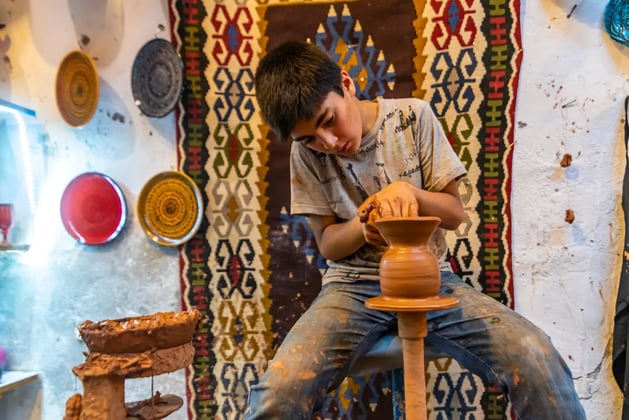
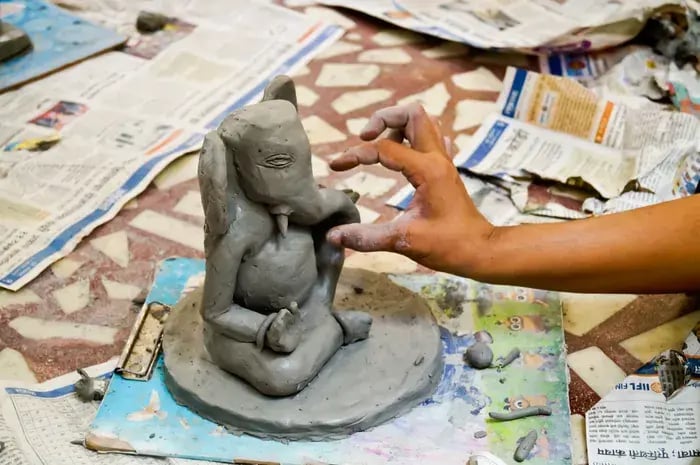
Kids naturally like playing with their hands, and clay modeling allows creativity to come in line with learning. Shaping, molding, and experimenting with clay makes a child's play a significant learning activity as these skills can help them benefit in numerous ways. Fine motor skills, patience, and the ability to solve problems are promoted while keeping children busy for a long time, along with promoting sensory development due to the varied texture and shape that they would come across while molding the clay. Whether it's at home or in school, clay modeling can be an engaging, mess-free way to stimulate artistic expression and improve the learning of children. Here are some of the great benefits of clay modeling along with some tips from parents for best use.
Key Benefits Of Clay Modeling For Kids
Develops Fine Motor Skills
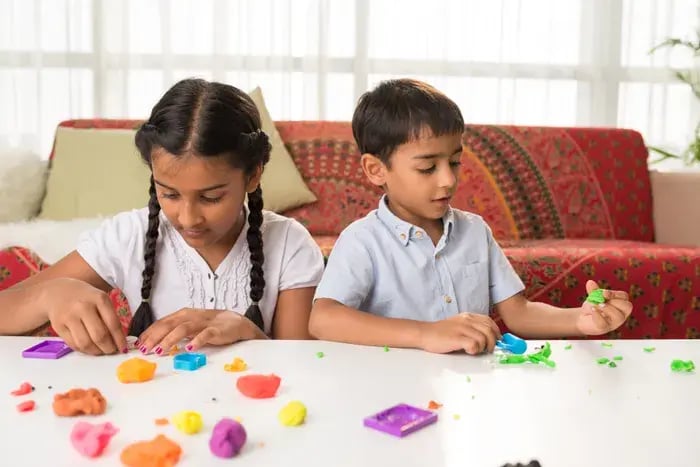
When kids work with clay, it requires a great deal of accuracy in hand movement, develops the muscles of fingers, and increases movement. These fine motor skills are also important for writing, drawing, and other such detailed works. While rolling, pinching, and molding clay, children refine their coordination and hand control, which further enhances their development during early childhood.
Encourages Creativity and Imagination
Clay modeling gives children the freedom to create anything they can think of. Unlike hard toys, clay allows open-ended play, enabling kids to build imaginative figures, animals, or objects. This creative expression makes clay modeling an excellent activity for developing independent thinking in kids learning.
Boosts Sensory Development
Playing with clay engages multiple senses, as children feel different textures, observe colors, and sometimes even smell the clay. These sensory experiences contribute to brain development by strengthening neural connections. Sensory play helps kids understand the world around them, improving cognitive growth and sensory integration.
Improves Hand-Eye Coordination
Clay modeling requires a fine hand movement and coordination between eyes and hands for delicate touch. Whether a child is carving a small animal or a large structure, this play enhances hand control. Improved hand-eye coordination helps strengthen other important skills including writing, cutting, and solving puzzles.
Strengthens Patience and Concentration
Clay modeling demands children go step by step, develop their work, and consequently, spend extended periods on a particular task. This process, by natural course, enhances the attention span and patience of children. Kids playing the clay activity to learn can accomplish the sense of achievement and fulfillment as they see their ideas take shape, building resilience and determination.
Enhances Emotional Expression
Children may find it difficult to express their emotions verbally, but through clay modeling, they can channel their feelings into their creations. Whether they are sculpting a joyful scene or a unique abstract design, clay provides an outlet for self-expression, helping kids communicate their thoughts and emotions more effectively.
Strengthens Problem-Solving Skills
Children overcome difficulties when working with clay, like how to get a figure to stand or balance different shapes. Overcoming these problems builds problem-solving skills and flexibility. The child who learns to problem solve while modeling clay will build resilience which will help him/her in the classroom and life in general.
Why Clay Modeling Is Important For Kids’ Learning
Clay modeling helps early learning through tactile, sensory-based creative exploration. Kids Clay Modeling Turns Simple Play Into Powerful Developmental Learning Moments. Clay activities for kids blend creativity, imagination and physical skill development in a smooth manner. They understand the concepts better through hands-on play by clay modeling than passive learning. Benefits of clay play: improved focus, fine motor skills, and creative thinking. Parents who encourage kids to do clay modeling are investing in holistic, meaningful development. Clay modeling takes regular play, and makes it an exceptional opportunity for cognitive and emotional development.
Easy Clay Modeling Ideas For Beginners
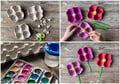
For clay modeling for kids beginners use balls and snakes and simple flat shapes. Simple flowers, basic animal faces, clay alphabets are some of the clay activities for kids. Fun starting points are clay modelling numbers, food models like fruits and cupcakes. With even these simplest beginner level creations, the clay play benefits start right away. Clay modeling is exciting and achievable for kids, with simple vehicles and buildings. For kids’ first clay activities, fun should always take precedence over perfection. Each success builds confidence and enthusiasm to tackle more advanced clay modelling.
Age-Wise Clay Activities For Kids
Clay activities for kids need to be age appropriate and developmentally appropriate. Squeezing, rolling and poking clay is fun for preschoolers. Simple clay modeling. Kids 5-7 love clay modeling for kids with animals, letters and simple scenes. More detailed clay activities for 8-10 year olds include multi-part models, story scenes. When the challenge levels match their developing skills and confidence, clay play is more beneficial. Older children love more difficult projects in clay modeling that have more details and complexity. Younger ones need simpler, safer clay activities for kids with appropriate adult supervision.
Types Of Clay Parents Can Use For Kids
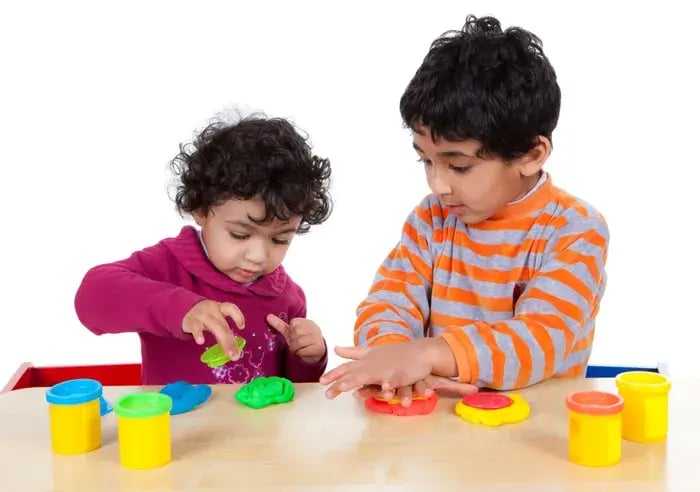
Clay modeling for kids can be done with playdough, air dry clay, natural clay or soft modeling clay. Homemade dough is a safe, low-cost clay modeling option for very young children. Air-Dry Clay Projects for Kids Make permanent models without firing. Soft modeling clay is best for beginner clay modeling for kids sessions at home. Always select non-toxic clay modeling materials suitable for the particular age group. Safe quality clay activities for kids protect their health and maximize their learning.
How Parents Can Make Clay Modeling More Educational
Clay modeling for kids is educational if it is aimed at letters, numbers and shapes. Colorful clay activities for kids classes can help parents teach color recognition. Basic geometry with clay: spheres, cubes, cylinders. As you build animals, naming them connects the benefits of clay play to language learning. Creative play with clay modeling for kids related to school topics helps reinforce classroom concepts. Storytelling with clay models develops narrative language and communication skills. Clay activities for kids become better learning tools when tied to real-world ideas.
5 Tips for Parents: Clay Modeling for Kids Learning
Offer Several Types of Clay
Different kinds of clay will be introduced, air-dry clay, playdough, or natural clay. Each kind of clay will have its unique texture and characteristics. This provides children with ways to explore and experiment. Having a variety of materials keeps the activity exciting and promotes sensory development.
Prepare a specific play area
Encourage independent exploration of clay modeling with a designated area. Use a mat or table cover to limit the mess as children play without restraint. Creating a creative zone will ensure the kids stay busy without distractions.
Teach through Play
Use clay modeling to teach. Allow children to form letters, numbers, or shapes to reinforce learning concepts. Such an activity helps make education a fun experience while making abstract concepts easier to learn.
Storytelling with Clay Models
Ask the children to tell stories of their creations. Whether they construct a castle, a farm, or an underwater world, this encourages storytelling that promotes language and communication skills. This is the best way to encourage imagination while connecting their ideas to real-world scenarios.
Join the Fun
Engage in clay modeling with your child to strengthen your bonds and foster collaborative play. Involvement of parents in creative activities shows an example; it creates confidence and encourages kids to learn well. Moreover, your participation allows guided learning and interaction.
Frequently Asked Questions
What is clay modeling for kids?

Clay modelling is the art of shaping and moulding clay into various shapes. Clay modeling for children is an opportunity for free unstructured expression by tactile play that can be done by hand.
What are the benefits of clay modeling for kids?
Fine motor skills, creativity and expression of emotion are benefits of clay play. Kids clay modeling develops concentration, sensory awareness and hand eye coordination.
How does clay modeling improve fine motor skills?
Clay modeling for kids develops fine motor skills through rolling, pinching and pressing. Clay activities for kids develop finger muscles needed for writing and fine motor movement.
What are easy clay activities for kids at home?
Easy clay activities for kids at home - fruits, animals and letters. Beginners in clay modeling for kids should start with simple things like balls, snakes and flat shapes. Familiar and fun themes expand home activities that benefit clay play.
Is clay modeling safe for young children?
Clay modeling for kids is safe as long as non-toxic, age-appropriate clay is used at all times. Kids' clay activities require adult supervision, especially for children under age four. The benefits of clay play are best experienced in a safe, supervised environment with clean tools.
Which type of clay is best for kids?
Clay modeling for kids beginners is best done with soft playdough or air-dry clay. Clay Fun for Kids with Natural Clay is a great activity for older, more advanced kids. Homemade dough for clay play offers complete control over safety and ingredients.
How does clay play support sensory development?
Sensory benefits of playing with clay include tactile exploration of texture and resistance. Through clay modeling, kids get to feel what soft, smooth, firm and rough is like.
Can clay modeling help children learn letters and numbers?
Yes kids clay modelling is a good tool to teach kids letters and numbers. Alphabet Shapes . Clay activities for kids to build literacy in a memorable way in a tactile way.
What age is suitable for clay modeling activities?
Clay modeling for kids can be started from the age of two under proper supervision of an adult. Simple clay activities for kids work for toddlers and more complex projects work for older ages.
How can parents make clay modeling more fun?
Clay modeling for kids becomes more fun when parents join and take an active part. Kids' clay activities are more fun with colorful clay, creative themes, and storytelling.
Smriti is a content writer who creates clear, practical, and informative content backed by science and relevant data. With a strong understanding of structured writing, she breaks down complex topics into simple, actionable insights. Her work is focused on helping readers prepare, learn, and grow with confidence and clarity.
The views expressed are that of the expert alone.
Popular Topics