




 Parenting Guide


 Child Health & Growth


 Learning & Skills Development


 Food & Nutrition


 Bournvita





Introduction
Parents are always concerned about whether their children are eating properly, sleeping enough, or finishing their homework. But one important thing that is often overlooked is hydration. Making sure kids drink enough water throughout the day is extremely important because water does much more than simply quench thirst. Understanding what the role of water in the body is helps parents realize how deeply hydration affects a child’s health, stamina, and daily performance.
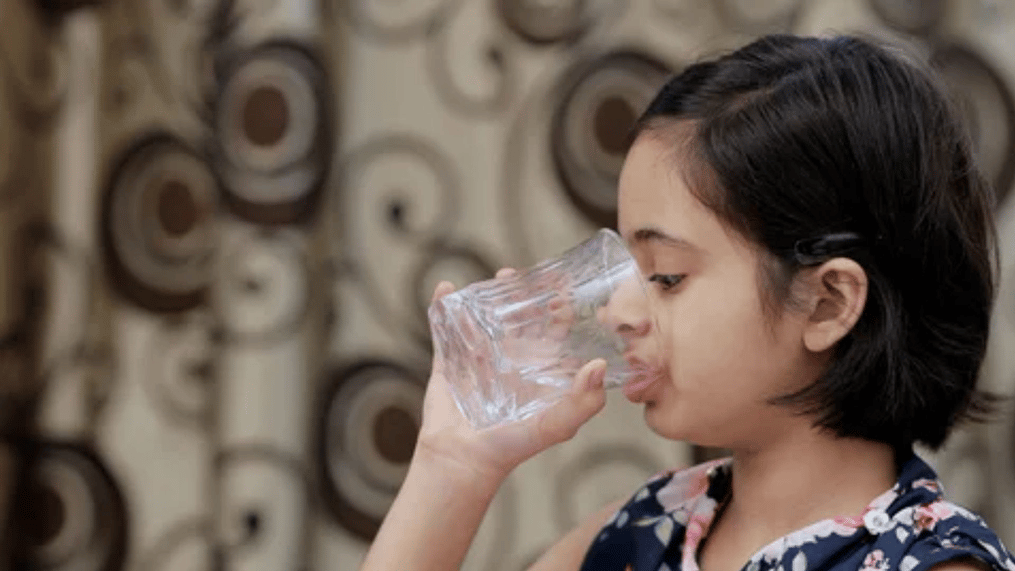
Children are constantly running, playing, sweating, and losing fluids, especially during hot weather or physical activities. When they forget to drink water, their bodies can quickly become tired and low on energy. One of the biggest benefits of staying hydrated is that it helps maintain muscle function, physical endurance, and body temperature. Water also supports concentration, focus, and mental alertness, helping children stay active both in the classroom and on the playground.
The benefits of drinking enough water go beyond preventing dehydration. Proper hydration supports digestion, circulation, recovery after physical activity, and overall energy levels throughout the day. Whether kids are studying, playing sports, or simply spending time outdoors, staying hydrated helps them feel stronger, fresher, and more energetic.
What Is The Role Of Water In The Body?
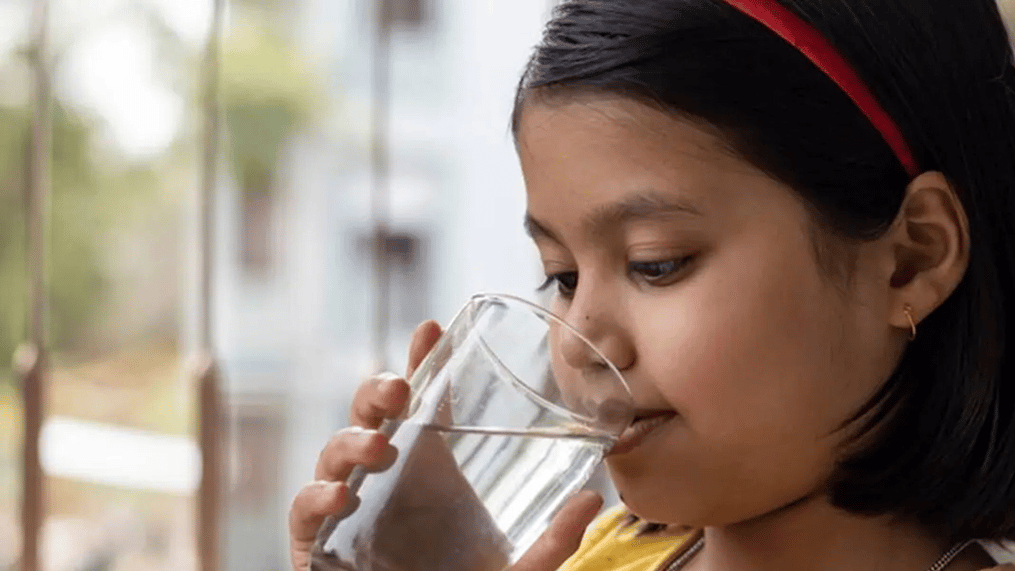
Water is essential for almost every function in the human body. Understanding what is the role of water in the body helps explain why staying hydrated is important for maintaining energy, strength, and overall health. From supporting muscles to improving focus, water keeps the body functioning smoothly throughout the day.
Supports Nutrient and Oxygen Transport
Water helps carry nutrients and oxygen to different parts of the body, allowing organs and muscles to work properly and efficiently.
Regulates Body Temperature
One of the important benefits of staying hydrated is maintaining body temperature. Water helps cool the body through sweating, especially during hot weather or physical activity.
Improves Muscle Function
Hydration keeps muscles flexible and reduces the chances of cramps or weakness. This is one of the key benefits of drinking enough water for active children and adults.
Helps Digestion and Waste Removal
Water supports healthy digestion and helps the body remove waste through sweat and urine, keeping the system balanced and healthy.
Supports Focus and Brain Function
The brain depends on hydration to stay alert and focused. Understanding what is the role of water in the body also includes recognizing its role in concentration and mental energy.
Hydration Reduces The Chance Of Injury
When the body is dehydrated it increases the chances of muscle fatigue, which increases the risk of injury. Staying adequately hydrated can help reduce muscle fatigue and reduce the risk of injury. Kids play a lot which results in sweating, and the core body temperature rises. Staying hydrated replaces the water lost through sweating and is essential for thermoregulation, helping to prevent cramps, heat exhaustion and heat stroke
How Hydration Supports the Body’s Energy Levels
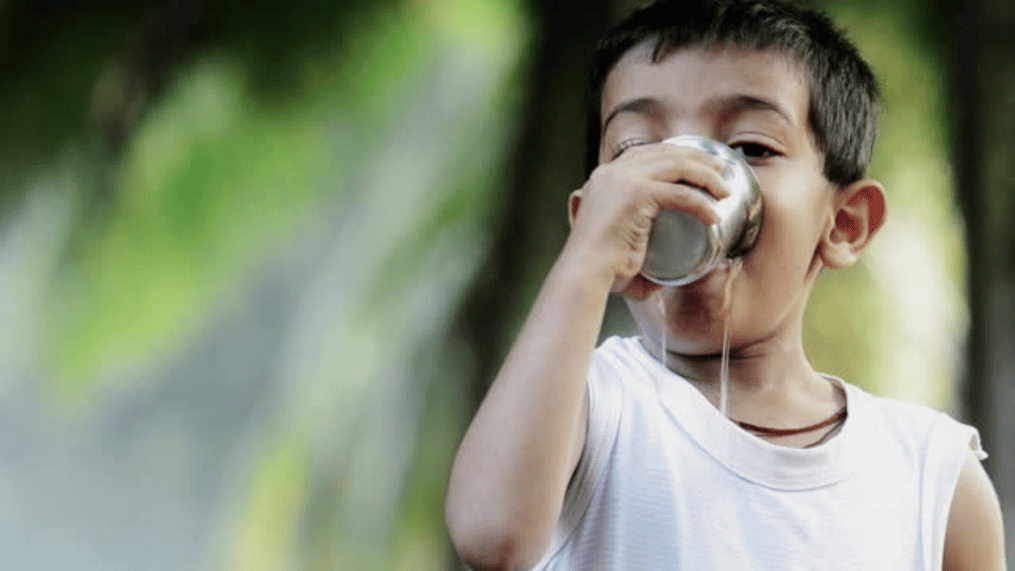
Water is essential for maintaining energy because every organ and muscle in the body depends on proper hydration to function efficiently. The benefits of staying hydrated are closely connected to physical performance, focus, and recovery. Without enough fluids, the body struggles to maintain energy and endurance levels.
Supports Better Physical Performance
One of the biggest benefits of drinking enough water is improved physical performance. Water helps muscles work efficiently and keeps joints lubricated during movement. Proper hydration allows children to run, jump, play, and exercise without tiring too quickly.
Helps Reduce Fatigue
Dehydration can cause the body to feel weak and exhausted even after mild activity. Understanding what is the role of water in the body helps explain why hydration is necessary for maintaining energy. Drinking enough water helps the body stay refreshed and prevents early fatigue.
Supports Focus and Mental Energy
The brain also depends on hydration to function properly. One of the important benefits of staying hydrated is improved concentration, memory, and alertness. Kids who drink enough water may find it easier to stay focused during studies and daily tasks.
Helps the Body Recover Faster
After sports or outdoor play, the body loses fluids through sweat. The benefits of drinking enough water include faster recovery by helping muscles relax, restoring fluids, and reducing tiredness after physical activity.
Importance of Hydration
Improved brain performance
Dehydration can affect memory, mood, concentration, and reaction time. Adding just a few glasses of water to kids' daily intake can have a positive effect on cognition, stabilize your emotions, and even combat feelings of anxiety. This is especially important for growing kids for proper growth and development.
Gut Health
Kids' bodies need water to properly digest food. Without enough can cause irregular bowel movements, gas, bloating, and other discomforts for kids. Water aids in breaking down soluble fiber from the diet to keep the digestion process on track. Mineral water is especially beneficial, water that is rich in sodium and magnesium.
Energy Level
Dehydration can slow down circulation and affect the flow of oxygen to kids' brains. A lack of fluids can also cause the heart to work harder to pump oxygen throughout the body. That expended energy can make kids feel tired, sluggish, and less focused. Staying hydrated by drinking more H2O, prevents dehydration and gives more pep to get throughout the day.
Weight Management
Since it provides a sense of fullness, water can help in feeling satisfied in between meals. It can also help boost your metabolism.
Stronger Joints
The cartilage in joints contains approximately 80% water. Staying hydrated helps kids' joints stay well-lubricated, play sports, and do other activities. Water also helps reduce friction by creating more of a cushion between the bones. Less friction means smoother-moving joints.
Better Temperature Regulation
Research shows that when you're dehydrated, your body stores more heat. This in turn lowers your ability to tolerate hot temperatures. Hydrating with plenty of water helps you produce sweat when you're overheated during activity, which in turn cools your body down. This built-in cooling mechanism is critical in preventing heat stroke and other potentially deadly heat-related conditions.
Healthier Heart
The blood is made up largely of H2O. Due to dehydration, it becomes concentrated, which can cause an imbalance of vital minerals (electrolytes). These minerals, like potassium and sodium, are key to the proper functioning of the heart.
Improved Detoxification
Sufficient water intake supports the natural detoxification systems, which remove waste and harmful substances through urination, breathing, perspiration, and bowel movements. Hydrating with plenty of water supports the built-in detox processes and can help improve overall health.
Fewer Headaches
Even mild fluid loss can cause the brain to contract away from the skull, leading to headaches and migraines in some people. Staying hydrated may help keep head pain in check.
How Much Water Do You Really Need?
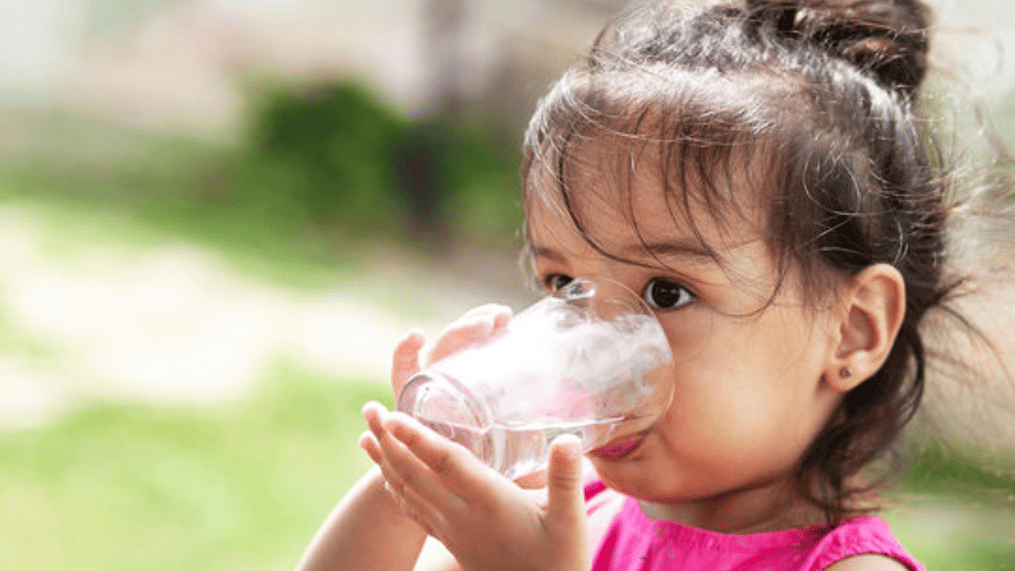
There is no single amount of water that works for everyone because hydration needs depend on age, weather, activity levels, and overall health. During summer or periods of intense physical activity, children and adults usually need more fluids. Understanding what is the role of water in the body helps explain why regular hydration throughout the day is more important than waiting until you feel thirsty.
A simple way to stay hydrated is to encourage small amounts of water frequently rather than drinking large amounts at once. Including water-rich fruits, homemade drinks, and healthy fluids can also support hydration. One of the easiest benefits of staying hydrated is maintaining steady energy and preventing tiredness caused by fluid loss.
Parents can help children build better hydration habits by giving them colorful bottles, setting reminders, and offering water during playtime or study breaks. The benefits of drinking enough water become more noticeable when hydration becomes part of the daily routine.
Tips To Keep Kids Hydrated
Track fluid losses
Keep track of the time when your kid was last hydrated. Try to keep them engaged in indoor activities on a sunny day, or ensure they carry a bottle of water. Excess sweat can make kids feel dizzy and lazy. Watch out for signs like reduced urine creation, dull urine, dry mouth, and thirst.
Hydrate Before, During, And After Exercise
Make kids drink a lot of water while playing, particularly if they are sweating heavily. Check the weather to see if it is warm and damp. Keep hydrating when kids are playing out to help the body recuperate and replace all lost liquids.
Eat To Remain Hydrated
To improve hydration and recovery, incorporate food varieties high in water into kids' meals and snacks. Certain meals, along with drinking water, could assist kids with remaining hydrated generally. Watermelon, cucumbers, oranges, and many other products of the soil with a high water content can assist with hydrating the body and supply fundamental nutrients, minerals, and cell reinforcements.
Refuel Kids Electrolytes
An adequate level of electrolyte equilibrium can prevent dehydration and muscle cramping. During physical activities, vital electrolytes like sodium, potassium, chloride, calcium, and magnesium are lost through sweat.
Signs Dehydration May Be Affecting Your Energy and Strength
Children and adults often ignore early signs of dehydration because they may not feel thirsty immediately. However, even mild dehydration can affect physical performance, focus, and stamina. Recognizing these signs early can help maintain the benefits of staying hydrated and prevent low energy levels.
Feeling Tired or Weak Quickly
One of the earliest signs of dehydration is sudden tiredness or lack of stamina during normal activities or playtime.
Frequent Headaches or Dizziness
Not drinking enough water can reduce blood circulation and oxygen supply, leading to headaches or dizziness.
Dry Lips and Mouth
Dry skin, lips, or mouth are common indicators that the body needs more fluids to function properly.
Difficulty Focusing
A lack of hydration may affect concentration and memory. One of the major benefits of drinking enough water is improved mental alertness.
Dark Yellow Urine
Dark-colored urine is a practical sign that the body may not be getting enough water throughout the day.
Muscle Cramps and Weakness
Without proper hydration, muscles may feel tight or weak, especially after physical activity or outdoor play.
Select Hydrating Beverages
Although water is the best fluid for remaining hydrated during playtime, different beverages give additional benefits. Hydrating fruit smoothies and juices can support replacing lost liquids and deal energy for demanding activities.
Her love for storytelling began with reading her grandfather’s speeches, where Tarishi saw the power of words in creating lasting memories. Combining her passions for food and writing, she has turned her life into a fulfilling path of sharing stories that celebrate flavours and how food brings communities together.
The views expressed are that of the expert alone.
Popular Topics