




 Parenting Guide


 Child Health & Growth


 Learning & Skills Development


 Food & Nutrition


 Bournvita






Introduction
Common skin infections in kids can develop when bacteria, viruses, fungi or parasites enter or spread on the skin. The skin acts as the body's protective barrier, but daily exposure to sweat, dirt and other environmental factors can affect it. Simple hygiene habits, such as regular cleansing, handwashing, keeping nails trimmed and changing into clean clothes, can help reduce the spread of some infections. However, good hygiene cannot prevent every skin infection, and children can still develop infections even with it. Knowing the common types and recognising early changes can help parents respond appropriately and seek medical advice when needed.
Why Are Children More Prone to Skin Infections?
Children spend a lot of time playing, sharing spaces and interacting closely with other children, which can increase exposure to infectious microorganisms. Small cuts, scratches, insect bites or irritated skin can also provide an entry point for bacteria. For example, impetigo can enter through broken skin and spread through close contact or contaminated items such as towels.
Children with conditions that affect the skin barrier, such as eczema, may also be more prone to certain skin infections. Good hygiene, wound care and avoiding the sharing of personal items can therefore be useful preventive habits.
Common Types of Skin Infections Caused by Poor Hygiene
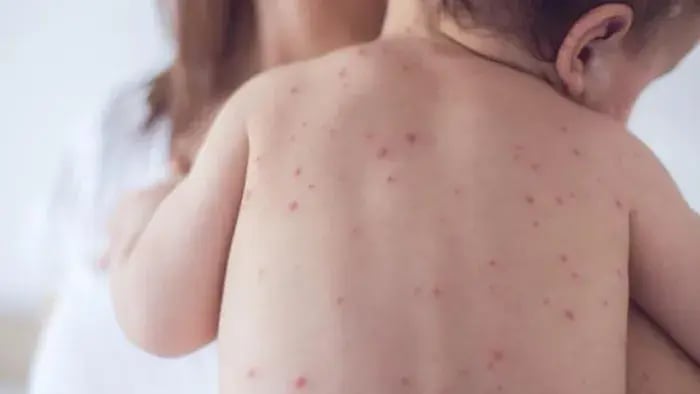
Not every infection below is caused by poor hygiene. Many can spread through close contact, contaminated objects, animals or other routes. Hygiene mainly helps reduce exposure and transmission.
Bacterial Infections
Impetigo: A highly contagious bacterial infection common in children. It often causes red sores or blisters that develop a yellowish or honey-coloured crust. It can spread through skin-to-skin contact or contaminated towels and clothing.
Cellulitis: A deeper bacterial infection that can cause redness, swelling, warmth and pain. It may develop when bacteria enter through a cut or other break in the skin.
Folliculitis: Inflammation or infection around hair follicles that can appear as small red bumps or pustules.
Viral Infections
Measles: A contagious viral illness that can cause fever and a widespread rash. It is prevented through vaccination rather than hygiene alone.
Chickenpox: Caused by the varicella-zoster virus, chickenpox usually causes an itchy rash that develops into fluid-filled blisters.
Hand, Foot and Mouth Disease: Common in children, this viral infection can cause mouth sores and a rash or small blisters on the hands and feet.
Molluscum Contagiosum: This viral infection causes small, raised, pearly bumps and can spread through close skin contact or contaminated objects.
Fungal Infections
Athlete's Foot: A fungal infection that commonly affects the skin between the toes, causing itching, peeling and irritation.
Ringworm: Despite its name, ringworm is caused by a fungus rather than a worm. It often produces round, scaly and itchy patches on the skin.
Jock Itch: A type of ringworm affecting the groin area, often causing an itchy, irritated rash. Fungi thrive in warm, moist conditions, so keeping sweaty areas clean and dry can help reduce risk.
Parasitic and Yeast Infections
Scabies: Caused by tiny mites that burrow into the skin, scabies typically causes intense itching and a pimple-like rash. It spreads mainly through prolonged close contact.
Lice: Head lice live on the scalp and can cause itching and irritation. They spread primarily through close contact or sharing items such as combs and hair accessories.
Candidiasis: Caused by Candida yeast, it can affect warm, moist areas of the body and may cause red, itchy skin.
How Good Hygiene Helps Prevent Skin Infections
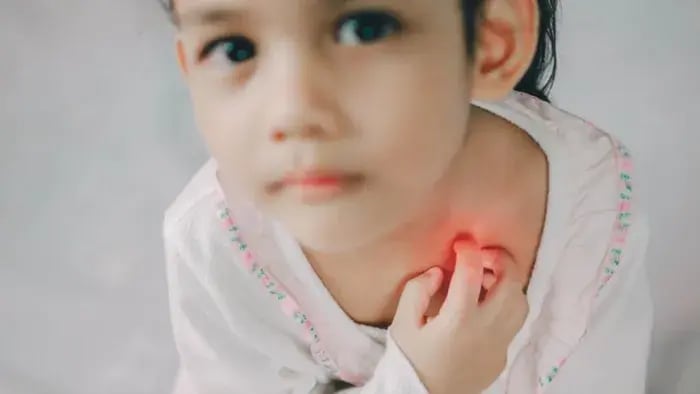
Removes Microorganisms and Controls Sweat Buildup
Regular bathing and washing can remove dirt, sweat and microorganisms from the skin. Keeping sweaty areas clean can also reduce conditions that allow some bacteria and fungi to multiply. However, excessive washing or harsh products can irritate the skin, so gentle cleansing is preferable.
Maintains Skin Integrity and Protects Cuts
Healthy, intact skin provides an important barrier against infection. Gentle cleansing and moisturising can help prevent excessive dryness and irritation. When a child gets a cut or scrape, clean it with soap and water, then cover it with an appropriate dressing.
Prevents Fungal Infections and Limits Spread
Fungi can thrive in warm, moist areas. Encourage children to change out of wet or sweaty clothes, dry their feet properly and wear clean clothes and socks. Avoiding shared towels, combs, clothing and other personal items can also reduce the spread of some infections.
Supports Overall Health and Hygiene
Handwashing, regular nail trimming, clean clothing, and appropriate bathing habits support general cleanliness and can reduce opportunities for the spread of infections. Children who participate in sports may need to shower after activities and change out of sweaty clothing promptly.
Simple Hygiene Habits to Teach Your Child
Parents can turn hygiene into a simple daily checklist:
- Wash hands: Teach children to wash with soap, particularly before eating and after using the toilet or playing outside.
- Bathe appropriately: Bathing frequency can depend on age, activity and how dirty or sweaty a child becomes; daily bathing is not essential for every child.
- Keep nails short: Trimmed nails reduce scratching-related skin damage and help keep dirt from collecting underneath.
- Change clothes regularly: Encourage children to change sweaty clothes and underwear regularly.
- Keep skin dry: Pay attention to areas such as the feet, underarms and skin folds.
- Do not share personal items: Towels, combs, hats and similar items should generally be kept personal.
- Care for small wounds: Clean cuts and scrapes promptly and cover them when needed.
Conclusion

Good hygiene can reduce the risk of and help prevent the spread of several skin infections in kids, but it cannot prevent every infection. Regular cleansing, handwashing, wound care, clean clothes and keeping sweaty areas dry are simple habits that support healthy skin. Start with one new hygiene habit this week, such as teaching your child to wash their hands properly or change out of sweaty clothes after play.
Frequently Asked Questions
What are the early signs of a skin infection in children?

Redness, swelling, warmth, pain, itching, pus, crusting, blisters or a rash that spreads can be warning signs. A healthcare professional should assess any worsening or concerning symptoms.
How often should kids bathe to prevent skin infections?
There is no single schedule for every child. Bathing needs depend on age, activity and how dirty or sweaty the child becomes.
Can poor hygiene alone cause skin infections, or are other factors involved?
Poor hygiene is not the only factor. Skin infections can also spread through close contact, contaminated objects, animals, broken skin and specific microorganisms.
Her love for storytelling began with reading her grandfather’s speeches, where Tarishi saw the power of words in creating lasting memories. Combining her passions for food and writing, she has turned her life into a fulfilling path of sharing stories that celebrate flavours and how food brings communities together.
The views expressed are that of the expert alone.
Popular Topics