

 Parenting Guide


 Child Health & Growth


 Learning & Skills Development


 Food & Nutrition


 Bournvita






Introduction
Exam-ready study materials can make exam preparation more organized and less stressful for children. Parents play an important role in helping kids build effective study habits, prepare useful notes, and create a routine that suits their individual learning pace. Instead of leaving revision until the last minute, children can use timetables, summaries, flashcards, mind maps, and practice papers to understand and revise topics more effectively.
Preparing for exams is not only about collecting notes and textbooks. Children also need the right study environment, reliable resources, active learning techniques, and regular encouragement. Parents can support this process by helping children organize their materials, identify difficult topics, review their progress, and adjust their study plans when needed. Small, consistent support can help children feel more prepared and confident without making exams feel overwhelming.
How Parents Can Help Children Develop Exam-Ready Study Materials
Parents can make exam preparation easier by helping children build practical study habits that match their learning needs and school schedule.
Create a Study Routine
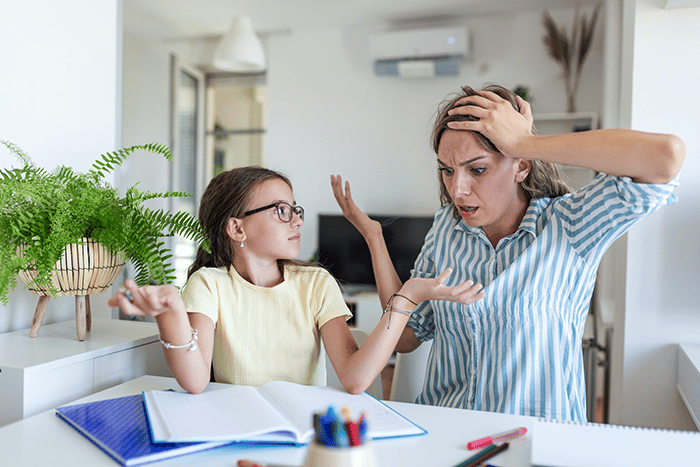
Help your child create a realistic timetable that includes subjects, revision sessions, practice time, and regular breaks. The routine should match their learning pace rather than follow a fixed schedule that may feel difficult to maintain. A consistent plan can prevent last-minute revision and make it easier to cover every topic.
Use High-Quality Study Resources
Provide access to reliable textbooks, reference materials, educational apps, and age-appropriate online resources. Past examination papers can help children understand question patterns, practise answering within a set time, and identify topics that need more revision.
Encourage Note-Taking
Encourage children to turn lengthy lessons and textbook information into short, clear notes. Summaries, mind maps, and flashcards can make important information easier to review, while keeping all study materials organized in one place saves time during revision.
Promote Active Learning Techniques

Encourage children to go beyond simply reading their notes. Self-quizzing, explaining a topic to someone else, practising questions, and studying with friends can improve understanding and help them remember information for longer. Parents can ask children to explain difficult concepts in their own words as a quick revision exercise.
Create a Supportive Study Environment
Set up a quiet, well-lit, organized study space with the stationery, books, and other materials your child needs. Reduce unnecessary interruptions during study sessions and give children emotional support when exams feel stressful. Recognizing their effort and progress can help build motivation and confidence.
Track Progress and Give Constructive Feedback
Review your child's preparation regularly instead of waiting until the exam is close. Check which subjects are progressing well, identify difficult topics, and adjust the timetable when necessary. Focus feedback on effort, preparation, and improvement rather than only marks, so children learn to see mistakes as part of the learning process.
Conclusion
Helping children prepare for exams is about more than making them study for longer hours. A realistic routine, useful study resources, organized notes, active learning, and a supportive environment can gradually build exam readiness and confidence. Parents should also remember that every child learns at a different pace, so patience and encouragement are often more helpful than pressure. With small, consistent support, exam preparation can become a manageable part of a child's academic routine.
Frequently Asked Questions
How can parents help their child prepare for exams?

Parents can help by creating a realistic study routine, providing reliable resources, encouraging active learning, and keeping the study environment calm and organized. Regular encouragement can also help children stay motivated.
What are good active learning techniques for exam preparation?
Self-quizzing, explaining concepts aloud, practising past papers, making flashcards, and teaching a topic to someone else are useful active learning techniques. These methods encourage children to recall and apply information rather than only reread it.
How important is a study environment for exam performance?
A quiet, organized, well-lit space can make it easier for children to concentrate and complete their work. Keeping distractions low can also help them make better use of their study time.
How can parents support a child without adding exam pressure?
Focus on preparation, effort, and progress instead of constantly discussing marks or results. Give your child realistic goals, regular breaks, and reassurance when they feel stressed.
Her love for storytelling began with reading her grandfather’s speeches, where Tarishi saw the power of words in creating lasting memories. Combining her passions for food and writing, she has turned her life into a fulfilling path of sharing stories that celebrate flavours and how food brings communities together.
The views expressed are that of the expert alone.