




 Parenting Guide


 Child Health & Growth


 Learning & Skills Development


 Food & Nutrition


 Bournvita





Introduction
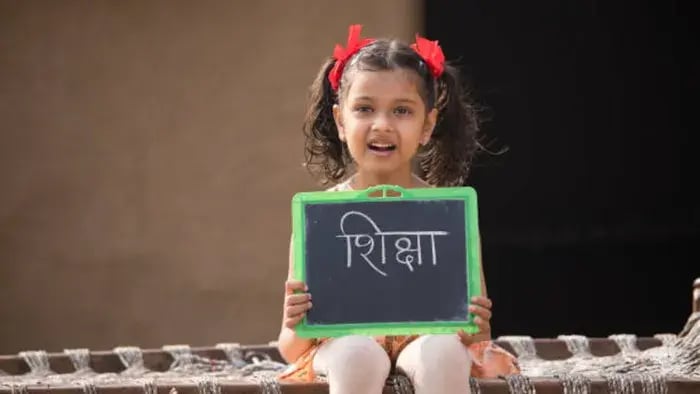
Summer holidays give Indian families one of the most natural opportunities to pass on the gift of Hindi, not through drills or textbooks, but through mangoes, kite flying, family trips, and bedtime stories. Whether you're a parent in India or raising bilingual children abroad, summer is the perfect time to introduce summer Hindi vocabulary for kids in a fun and meaningful way.

For both Indian and NRI families, learning Hindi becomes easier when it is connected to everyday experiences. From summer fruits and daily routines to games and storytelling, children absorb language naturally when they use it regularly. This guide covers easy Hindi words, Summer Hindi Activities for Kids, and practical ways to bring everyday Hindi at home into daily life. It is especially helpful for families looking to strengthen a heritage language connection while making learning enjoyable and stress-free.
Summer Hindi Activities for Kids: 7 Fun Ways to Learn at Home

Summer break is an excellent time for kids to unwind, recharge, and enjoy the freedom from school routines. But it’s also the perfect opportunity to mix language learning with fun. Teach your child everyday Hindi words during this time, and they will connect with their culture in a fun and memorable way.
Start with Summer Vocabulary: Garmi, Chhutti, Aam, and More
Begin by teaching your child simple, common Hindi words that relate to the season. Words like garmi (heat), thanda (cold), chhutti (holiday), aam (mango), and pankha (fan) come up in everyday conversations during summer. Make a word wall or flashcards and use them during meals, playtime, or bedtime. When your child eats a mango, call it aam, and they’ll start connecting the word to the experience.
Play 'Name That Thing': Hindi Object Hunt at Home
Turn vocabulary into an interactive game, pick common summer items around the house, topi (cap), chashma (sunglasses), jal (water), patang (kite), and ask your child to find them. Say the Hindi word and let them search, point, or collect the item. This activity turns learning into a mini treasure hunt that encourages listening and memory.
Do Summer-Themed Art and Craft Using Hindi Labels
Help your child draw or craft things like the sun (suraj), ice cream (kulfi), clouds (baadal), or pool (talaab). Label each picture in Hindi. This activity not only introduces them to new words but also helps them remember the vocabulary visually. Hang up their work to keep the words fresh in their mind.
Everyday Hindi at Home: Bath Time, Bedtime and Daily Routine Words
Daily routines provide some of the best opportunities for How to teach Hindi to kids at home. Because these activities happen every day, children hear and repeat the same words naturally, helping them build vocabulary without feeling like they are studying.
Try using these simple Hindi daily routine words for kids during everyday activities:
Morning Routine
- Utho – Wake up
- Dant saaf karo – Brush your teeth
- Naashta – Breakfast
Bath Time
- Paani – Water
- Sabun – Soap
- Tauliya – Towel
Bedtime
- Kahani – Story
- Neend – Sleep
- Taara – Star
- Achhi raat – Good night
These warm family moments make language learning feel natural and help children associate Hindi with comfort, routine, and connection.
Sing Hindi Nursery Rhymes and Summer Songs with Your Child
Children remember words more easily when they are attached to music and rhythm. Singing Hindi nursery rhymes for kids helps improve pronunciation, vocabulary retention, and listening skills while making learning enjoyable.
Classic Hindi rhymes that children love include:
- Machli Jal Ki Raani Hai
- Chanda Mama
- Lakdi Ki Kaathi
Parents can also explore platforms such as Hindi Balgeet and T-Series Kids for Hindi songs for children summer and seasonal learning content. A simple tip is to pair each rhyme with a new vocabulary word from your summer word list. This repetition helps children remember words more effectively while enjoying familiar tunes.
For toddlers and younger learners, Hindi balgeet for toddlers provide an engaging introduction to language through music, actions, and storytelling.
Plan a Mini Picnic or Indoor Camp in Hindi Style
Organize a picnic or indoor tent activity and give everything a Hindi twist. Ask your child to help pack khana (food), carry a paani ki bottle (water bottle), or wear a topi (hat). Use short Hindi sentences while doing this: “Chalo, patang udaate hain” (Let’s fly a kite).
Create a Daily ‘Word of the Day’ Summer Journal
Give your child a small diary to draw or write one new Hindi word daily. It could be something they did, saw, or ate that day. For example, if they visited the garden, write bagicha (garden). Add a small drawing, sticker or note. By the end of summer they’ll have a mini memory book filled with words and moments that matter.
Special Section for NRI and Diaspora Families: Keeping Hindi Alive Abroad
For many NRI and diaspora families, summer holidays provide a valuable opportunity to strengthen their child's connection with Hindi. During the school year, children are often surrounded by English or another local language, making it challenging to maintain a heritage language at home. Summer offers more flexibility, fewer academic pressures, and extra family time, making children more receptive to learning.
One of the biggest challenges for parents abroad is that Hindi is often not the language of school, friends, or the wider community. Because of this, maintaining fluency requires intentional effort and consistent exposure.
A simple strategy is to create a daily 15–20 minute Hindi window at home. During this time, family members can speak only Hindi while discussing daily activities, meals, games, or stories. Consistency matters more than perfection.
Parents can also explore virtual Hindi-learning resources such as:
- Hindi Fun 4 Kids – Interactive Zoom-based Hindi classes for children.
- Story Duniya App – Offers more than 250 animated Hindi stories and language-learning activities.
- Saakshar Hindi Immersion Camps (USA) – Structured programs designed to help children build Hindi speaking and comprehension skills.
Cultural connections make learning even more meaningful. Encourage children to:
- Learn Hindi words related to Indian festivals.
- Join family video calls with grandparents in India using simple Hindi phrases.
- Help cook Indian meals while learning ingredient names such as aata (flour), doodh (milk), haldi (turmeric), and aam (mango).
These experiences help children understand that Hindi is not just another subject—it is a bridge to family, culture, and identity.
Conclusion
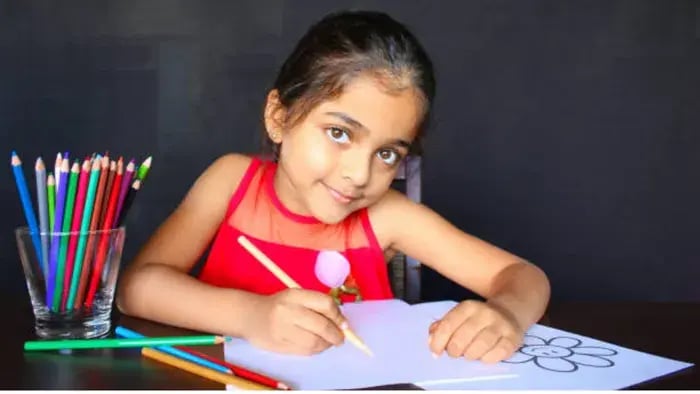
When language blends into daily fun, it feels less like learning and more like living. By helping your child experience Hindi through their summer joys, from eating mangoes, dancing in the rain, or flying kites, you are giving them the gift of cultural connection. These small, playful steps not only make the holidays meaningful but also lay a strong, happy foundation for lifelong language learning.
Frequently Asked Questions
What are the best summer Hindi words to teach kids first?

Start with simple and frequently used words such as garmi (heat), chhutti (holiday), aam (mango), paani (water), and sooraj (sun). These words are easy to use during everyday summer activities and conversations.
How can I teach my child Hindi at home during summer holidays?
Use daily conversations, Hindi storybooks, nursery rhymes, games, flashcards, and summer-themed activities. Consistent exposure through fun experiences helps children learn naturally without feeling pressured.
What age should I start teaching my child Hindi?
Children can begin learning Hindi as early as infancy through songs, stories, and simple conversations. Early exposure helps children become more comfortable with pronunciation, vocabulary, and bilingual communication.
How do I teach Hindi to my NRI child who doesn't speak it at school?
Create regular opportunities to hear and use Hindi at home through short daily conversations, Hindi story apps, video calls with family members, and cultural activities. Consistency and positive experiences are more important than formal lessons alone.
Her love for storytelling began with reading her grandfather’s speeches, where Tarishi saw the power of words in creating lasting memories. Combining her passions for food and writing, she has turned her life into a fulfilling path of sharing stories that celebrate flavours and how food brings communities together.
The views expressed are that of the expert alone.
Popular Topics