


 Parenting Guide


 Child Health & Growth


 Learning & Skills Development


 Food & Nutrition


 Bournvita





Why Yoga For Kids Is Important From An Early Age
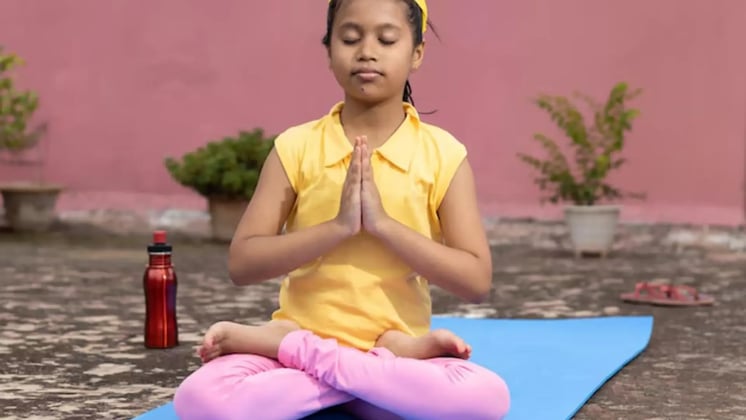
Introducing yoga to children at an early age helps build healthy habits that support both physical and emotional well-being. Yoga for kids combines gentle movement, stretching, breathing, and mindfulness to improve strength, flexibility, balance, and coordination while making exercise enjoyable.
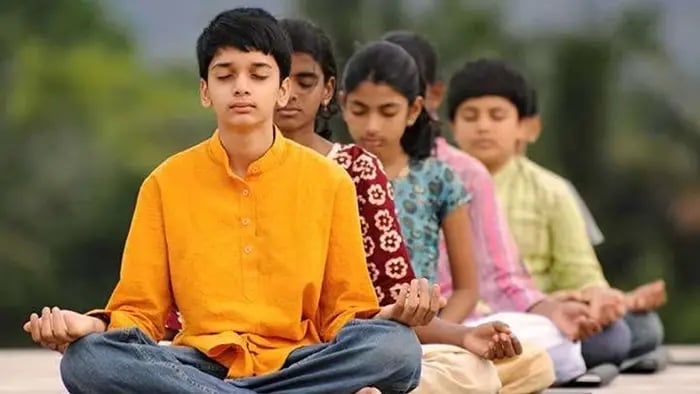
Developing movement habits during childhood lays the foundation for lifelong fitness and confidence. Regular yoga practice also helps children become more aware of their bodies, improves posture, and encourages better focus during school and everyday activities.
Unlike many forms of exercise, yoga nurtures both the body and the mind. Through simple poses and breathing techniques, children learn to manage stress, stay calm, and develop emotional resilience. Whether practiced at home, in school, or during playtime, yoga offers a fun and safe way to support healthy growth and overall development.
What Is Yoga For Kids?
Yoga for kids is a child-friendly version of traditional yoga that combines simple poses, playful movements, breathing exercises, and relaxation techniques. Unlike adult yoga, children's yoga focuses on fun, creativity, and movement instead of achieving perfect posture.
Sessions often include animal-inspired poses, storytelling, games, and imaginative activities that keep children engaged while developing flexibility, balance, coordination, and concentration.
Kids' yoga can easily become part of a morning routine, classroom activity, after-school relaxation, or family exercise time. The goal is to help children enjoy movement while building healthy physical and emotional habits.
Benefits Of Yoga For Kids
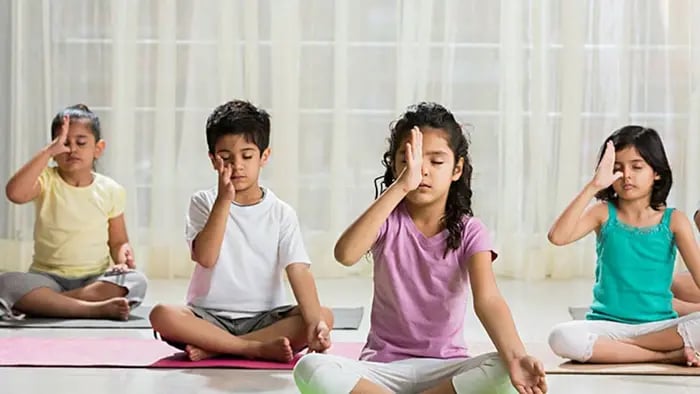
Practising yoga regularly offers several physical and emotional benefits for growing children.
- Improves flexibility and joint mobility.
- Builds muscle strength naturally.
- Supports balance and coordination.
- Promotes better posture and body awareness.
- Encourages focus, concentration, and attention.
- Helps children regulate emotions more effectively.
- Promotes calmness, relaxation, and stress relief.
- Encourages healthy daily routines and active lifestyles.
Yoga is a gentle yet effective activity that supports overall growth while making movement enjoyable.
Physical Benefits Of Kids Yoga
Yoga strengthens growing bodies without placing excessive stress on developing joints.
Regular practice helps:
- Improve flexibility throughout the body.
- Strengthen the back, arms, legs, and core muscles.
- Develop healthy posture and spinal alignment.
- Enhance balance and coordination.
- Improve body control during movement.
- Support better performance in sports and active play.
- Provide gentle stretching for growing muscles and bones.
These benefits help children move confidently while reducing the risk of minor injuries.
Mental And Emotional Benefits Of Yoga For Kids
Yoga supports children's emotional well-being just as much as their physical health.
Benefits include:
- Better concentration during schoolwork.
- A calmer response to stress and anxiety.
- Greater emotional awareness.
- Reduced restlessness and impulsive behaviour.
- Increased confidence and self-esteem.
- Relaxation after school or screen time.
- Stronger mind-body awareness through breathing and movement.
Even a few minutes of daily yoga can help children feel more relaxed and emotionally balanced.
Easy Yoga For Kids: How To Start At Home
Starting yoga at home is simple and requires very little equipment.
Helpful tips include:
- Begin with just 5–10 minutes daily.
- Choose simple beginner-friendly poses.
- Practice on a soft yoga mat or clean floor.
- Keep instructions short and playful.
- Join your child during practice.
- Never force difficult stretches.
Make yoga part of the morning or evening routine.
Keeping sessions fun encourages children to look forward to yoga every day.
Beginner Yoga For Kids: What Parents Should Know
Children do not need advanced yoga skills to enjoy its benefits.
Parents should:
- Begin with basic stretches and poses.
- Focus on breathing and comfort.
- Use animal names and stories to explain poses.
- Allow children to rest between poses.
- Avoid asking children to hold poses for long periods.
- Praise effort rather than perfection.
- Stop immediately if a child feels pain or discomfort.
A relaxed and encouraging approach helps children build confidence while learning yoga.
7 Yoga Asanas For Kids To Practice
Yoga becomes more enjoyable when children learn simple poses that are easy to remember and fun to perform. These beginner-friendly yoga asanas help improve flexibility, strength, balance, posture, and relaxation while introducing children to mindful movement. Practising these poses regularly can make yoga a healthy daily habit for growing kids.
Bow Pose For Kids
The bow pose helps kids improve their posture and strengthen their back muscles. Kids start by lying on their stomachs with their arms at their sides, then bend their knees and reach back to grab their ankles. They inhale and lift their chest and legs off the ground, pulling their ankles towards their buttocks, and hold the pose for a few breaths before releasing.
Benefits
Bow Pose strengthens the back muscles, improves posture, opens the chest, and gently stretches the front of the body.
Steps
- Lie comfortably on the stomach.
- Bend both knees.
- Reach back and hold the ankles.
- Gently lift the chest and legs.
- Hold for 2–3 slow breaths.
- Slowly lower the body back down.
Avoid pulling too hard or forcing the stretch to prevent strain.
Tree Pose For Kids
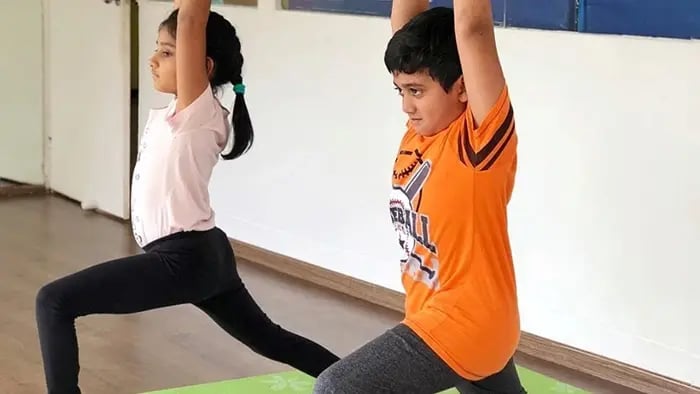
The tree pose teaches kids to improve their balance and coordination while also strengthening their leg muscles. To do this pose, kids should stand with their feet hip-width apart, shift their weight onto one foot, and place the other foot on their thigh with the toes pointing down. They can then bring their hands together in front of their chest and hold the pose for a few breaths before switching sides.
Benefits
Tree Pose improves balance, concentration, coordination, and leg strength while teaching body control.
Steps
- Stand tall with both feet together.
- Shift weight onto one foot.
- Place the other foot on the ankle, calf, or inner thigh.
- Join hands in front of the chest.
- Look at one fixed point.
- Hold for a few breaths before changing sides.
Beginners can practise near a wall for extra support.
Cobra Pose For Kids
The cobra pose helps strengthen kids' back muscles and improve flexibility. Kids start by lying on their stomachs with their hands under their shoulders, then inhale and lift their chest off the ground while keeping their elbows close to their sides.
Benefits
Cobra Pose strengthens the back muscles, improves spinal flexibility, and gently opens the chest.
Steps
- Lie on the stomach.
- Place hands under the shoulders.
- Keep elbows close to the body.
- Slowly lift the chest.
- Keep elbows slightly bent.
- Lower slowly with control.
Avoid lifting too high or forcing the lower back.
Cat Pose For Kids
The cat pose can help relieve tension in the spine and neck. Kids start on their hands and knees with a neutral spine, then exhale to round their back towards the ceiling, tuck their tailbone under, and drop their head. They inhale to arch their back, lifting their chest and tailbone, and repeat this flowing movement with their breath.
Benefits
Cat Pose improves spinal mobility while reducing stiffness in the neck and back.
Steps
- Begin on hands and knees.
- Inhale while gently arching the back.
- Exhale and round the spine upward.
- Move slowly with the breath.
- Repeat several times.
Adding fun animal sounds makes this pose especially enjoyable for younger children.
Child's Pose For Kids
The child's pose is a partner yoga pose that can help kids relieve stress and tension while stretching their hips, thighs, and ankles. Kids kneel on the floor, sit back on their heels, and fold their torso forward, resting their forehead on the ground while reaching their arms forward or alongside their body.
Benefits
Child's Pose is a relaxing position that gently stretches the hips, thighs, back, and shoulders while calming the body and mind.
Steps
- Kneel comfortably.
- Sit back onto the heels.
- Stretch the arms forward.
- Rest the forehead on the mat.
- Breathe slowly.
This pose works well between active yoga poses or after school to promote relaxation.
Camel Pose For Kids
The camel pose helps children to improve their posture and build strength in their back muscles. Kids start by kneeling with their knees hip-width apart. They then place their hands on their lower back, fingers pointing down, and inhale deeply to lift their chest towards the ceiling while arching their back.
Benefits
Camel Pose improves posture, opens the chest, and strengthens the back muscles.
Steps
- Kneel with knees hip-width apart.
- Place hands on the lower back.
- Lift the chest gently.
- Slightly arch backward.
- Keep the neck relaxed.
- Return slowly.
Beginners should avoid deep backbends and practise under adult supervision.
Downward Dog Pose For Kids
The downward dog pose helps kids to stretch their entire body and build strength after a long exercise routine. Kids start on their hands and knees, then lift their hips up and back, straightening their legs and pressing their heels towards the ground while keeping their hands firmly planted on the mat and their head relaxed between their arms.
Benefits
Downward Dog stretches the entire body while strengthening the shoulders, arms, legs, and back.
Steps
- Start on hands and knees.
- Lift the hips upward.
- Straighten the legs comfortably.
- Keep knees slightly bent if needed.
- Relax the head between the arms.
- Hold for several breaths.
This pose energises the body while improving flexibility.
More Easy Kids Yoga Poses To Try
Children can gradually explore additional beginner-friendly poses, including:
- Mountain Pose
- Butterfly Pose
- Warrior Pose
- Happy Baby Pose
- Bridge Pose
- Seated Forward Bend
- Corpse Pose (Relaxation Pose)
- Sun Salutation (for older children)
Simple poses help children gain confidence before attempting longer yoga routines.
Yoga Poses For Strength In Kids
Several yoga poses naturally build muscle strength while improving posture.
Recommended poses include:
- Downward Dog
- Cobra Pose
- Bow Pose
- Warrior Pose
- Bridge Pose
- Plank Pose (for older children)
Strength-building poses support healthy movement, sports performance, and overall body stability.
Yoga Poses For Flexibility In Kids
Gentle stretching helps growing muscles remain flexible and comfortable.
Useful flexibility poses include:
- Butterfly Pose
- Child's Pose
- Cat Pose
- Seated Forward Bend
- Cobra Pose
- Downward Dog
Children should always stretch gently without forcing their bodies into deep positions.
Yoga Poses For Balance And Coordination
Balance poses strengthen the legs while improving concentration.
Good balance exercises include:
- Tree Pose
- Mountain Pose
- Warrior Pose
- Chair Pose
- Animal-inspired balancing games
Younger children can use wall support while learning these poses safely.
Breathing Exercises For Kids Yoga
Breathing exercises help children relax and improve body awareness.
Simple techniques include:
- Belly breathing
- Balloon breathing
- Bee breathing (Bhramari)
- Counting breaths
- Slow inhale and exhale practice
These exercises are useful before bedtime, school, homework, or whenever children feel overwhelmed.
Fun Ways To Teach Yoga To Kids
Yoga becomes more enjoyable when learning feels like play.
Ideas include:
- Use animal names for poses.
- Create yoga stories.
- Add music and rhythm.
- Use yoga flashcards.
- Turn poses into games.
- Let children choose favourite poses.
- Keep sessions cheerful and short.
- Celebrate participation instead of perfect posture.
Fun experiences help children stay interested in yoga.
Age-Wise Yoga For Kids
Different age groups benefit from different styles of yoga.
- Preschoolers (3–5 years)
Simple movement games, animal poses, and short breathing activities.
- Ages 5–8
Basic yoga poses, balance exercises, and playful routines.
- Ages 9–12
Longer beginner yoga sessions with improved posture and flexibility work.
- Older Children
More structured routines while avoiding advanced poses until ready.
Keeping yoga age-appropriate ensures both safety and enjoyment.
How Long Should Kids Practice Yoga?
Yoga sessions do not need to be lengthy.
General recommendations include:
- 5 minutes for toddlers and preschoolers.
- 10–15 minutes for beginners.
- Around 20 minutes for older children if comfortable.
Short daily practice is usually more effective than long occasional sessions. Stop whenever the child becomes tired or uncomfortable.
Best Time For Kids To Practice Yoga
Yoga can fit naturally into different parts of the day.
Good times include:
- Morning for energy.
- After school for relaxation.
- Before study time for better focus.
- Evening or bedtime with calming poses.
Avoid practising immediately after large meals and choose a time that suits your child's routine.
Simple Daily Yoga Routine For Kids
A beginner-friendly daily routine may include:
- Belly breathing
- Mountain Pose
- Cat Pose
- Cobra Pose
- Tree Pose
- Downward Dog
- Child's Pose
- Quiet breathing to finish
This sequence takes about 10–15 minutes and develops flexibility, strength, balance, and relaxation.
Yoga For Kids At School Or Classroom Breaks
Yoga can also be practised during short classroom breaks.
Simple activities include:
- Chair stretches
- Standing balance poses
- Gentle breathing exercises before exams
- Stretching after long periods of sitting
- Relaxation after energetic classroom activities
These short sessions can improve classroom focus, behaviour, and concentration.
Safety Tips For Kids Yoga
Help children practise safely by following these precautions:
- Use a non-slip surface.
- Avoid difficult poses without supervision.
- Never force flexibility.
- Keep sessions short.
- Stop if pain or dizziness occurs.
- Avoid yoga immediately after heavy meals.
- Encourage gentle breathing only.
- Consult a healthcare professional if your child has medical concerns.
Common Mistakes Parents Make While Introducing Yoga To Kids
Avoid these common mistakes:
- Expecting perfect poses.
- Making yoga feel like punishment.
- Introducing advanced poses too early.
- Practising for too long.
- Ignoring the child's comfort.
- Skipping warm-up movements.
- Comparing children with adults.
- Expecting complete stillness instead of playful participation.
A positive experience keeps children motivated.
Tips To Make Yoga A Habit For Kids
Healthy habits develop through consistency.
Helpful ideas include:
- Practise at the same time every day.
- Keep sessions short.
- Join your child during practice.
- Use stories and imagination.
- Celebrate small improvements.
- Let children choose favourite poses.
- Create a calm practice space.
- Avoid criticism or strict correction.
Children are more likely to continue yoga when they associate it with fun and encouragement.
Yoga For Kids And Screen-Time Balance
Yoga provides an excellent active break from screens.
It helps children:
- Stretch after long periods of sitting.
- Improve posture after device use.
- Relax the eyes and body.
- Practice calming breathing.
- Replace some passive screen time with movement.
- Reconnect with their bodies in a positive way.
Even five to ten minutes of yoga after screen time can refresh both body and mind.
When Should Parents Avoid Certain Yoga Poses?
Some situations require extra caution.
Avoid difficult yoga poses:
- During injuries or pain.
- If the child feels dizzy.
- Immediately after heavy meals.
- During fever or illness.
- If a pose causes discomfort.
- For children with medical conditions unless advised by a professional.
- When adult supervision is unavailable for advanced poses.
Safety should always come before performance.
Flexibility, Strength And Movement: Why Yoga Supports Overall Growth
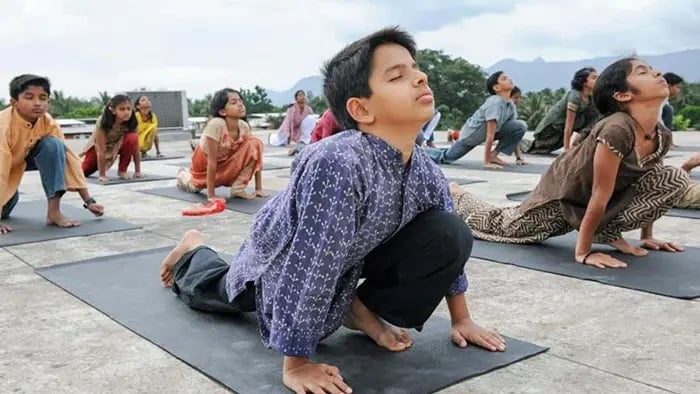
Yoga is much more than a series of stretches. It combines flexibility, strength, balance, breathing, and mindfulness into one complete movement practice that supports healthy physical and emotional development. Regular practice helps children improve posture, coordination, confidence, and body awareness while teaching them valuable skills such as patience, relaxation, and self-control.
Most importantly, yoga encourages children to enjoy movement rather than view exercise as a chore. By introducing simple yoga from an early age, parents can help build lifelong habits that support health, happiness, and overall well-being.
Frequently Asked Questions
What are the benefits of yoga for kids?

Yoga helps improve flexibility, strength, posture, balance, concentration, emotional regulation, and relaxation. It also encourages healthy movement habits that support overall growth and well-being.
Which are the best kids yoga poses for beginners?
Tree Pose, Child's Pose, Cat Pose, Cobra Pose, Downward Dog, Butterfly Pose, and Mountain Pose are excellent beginner-friendly yoga poses that are simple, safe, and enjoyable for children.
What are easy yoga asanas for kids to start with?
Children can begin with basic yoga asanas such as Mountain Pose, Child's Pose, Cat Pose, Tree Pose, Butterfly Pose, and Cobra Pose. These poses gently improve flexibility, balance, and coordination.
How can parents introduce beginner yoga for kids at home?
Keep sessions short, use playful instructions, practise together, and focus on simple poses rather than perfect technique. Making yoga fun helps children stay interested and motivated.
What yoga poses help kids improve flexibility?
Butterfly Pose, Child's Pose, Cobra Pose, Downward Dog, Cat Pose, and Seated Forward Bend gently stretch growing muscles and improve flexibility without placing excessive strain on the body.
What yoga poses help kids build strength?
Downward Dog, Bow Pose, Cobra Pose, Warrior Pose, Bridge Pose, and age-appropriate Plank Pose strengthen the arms, legs, back, and core while improving posture and stability.
Can yoga help children improve focus and calmness?
Yes. Regular yoga combines breathing exercises with mindful movement, helping children improve concentration, reduce stress, manage emotions, and feel calmer during school and daily activities.
Her love for storytelling began with reading her grandfather’s speeches, where Tarishi saw the power of words in creating lasting memories. Combining her passions for food and writing, she has turned her life into a fulfilling path of sharing stories that celebrate flavours and how food brings communities together.
The views expressed are that of the expert alone.
Popular Topics