




 Parenting Guide


 Child Health & Growth


 Learning & Skills Development


 Food & Nutrition


 Bournvita





Introduction
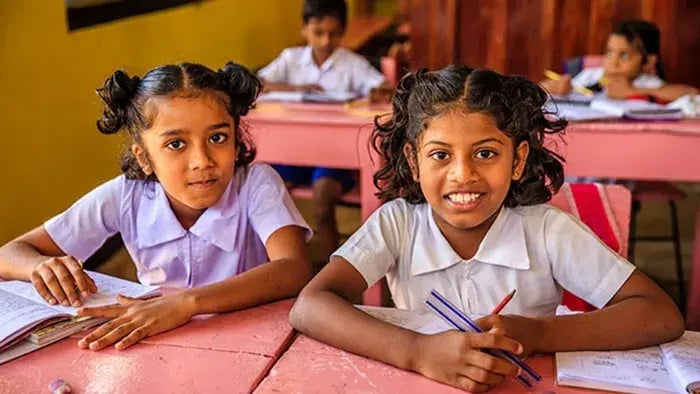
Leadership activities for kids are a fun and effective way to help children develop confidence, responsibility, and teamwork from an early age. While academic knowledge is important, children also need life skills that prepare them to communicate clearly, solve problems, make thoughtful decisions, and work well with others. Leadership is not about being the loudest person in the room or always taking charge. Instead, it is about listening, encouraging others, making responsible choices, and confidently stepping forward when needed. These qualities can be nurtured through engaging games and hands-on activities that allow children to learn by doing rather than simply being told what leadership means.
Whether at home, in school, or during extracurricular programs, leadership games create opportunities for children to think independently while cooperating with others. They encourage kids to express ideas, take initiative, respect different opinions, and build resilience when faced with challenges. As children participate in these activities, they gradually become more comfortable speaking in groups, solving conflicts, and supporting their teammates. These experiences also strengthen empathy, communication, creativity, and decision-making skills that benefit them throughout life. By introducing age-appropriate leadership activities in a positive and enjoyable environment, parents and teachers can help children grow into confident, responsible, and compassionate individuals who are ready to contribute positively at school, in their communities, and eventually in their future careers.
6 Leadership Games and Activities for Kids
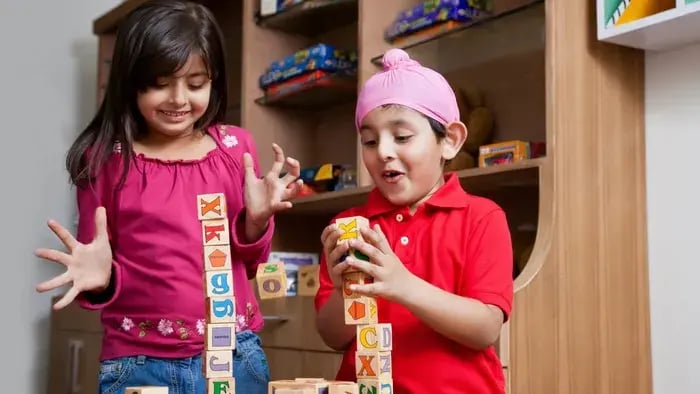
These engaging activities help children develop leadership skills through teamwork, communication, and practical experiences.
Jumping Ship
Divide children into small groups and give each group three sheets of paper. They write situations where leadership is helpful and situations where it may not be effective. The facilitator reads each scenario aloud, encouraging discussion about leadership choices and decision-making.
Same or Different
Children sit in a circle and identify one classmate who looks similar to them, followed by someone who looks different. This observation activity encourages children to speak confidently, appreciate diversity, and become more comfortable expressing their thoughts.
Centre Stage
Create small groups where children role-play different leadership styles in everyday situations, such as responding to a late employee or solving a team problem. Afterwards, discuss how different leadership approaches work in different situations.
Magic Carpet
Ask all participants to stand on a large mat or carpet and work together to flip it over without anyone stepping off. This teamwork challenge develops communication, coordination, problem-solving, and collaborative leadership.
Community Volunteering Projects
Older children can participate in community service activities, such as helping younger students, organising donation drives, or assisting during school events. These experiences build responsibility, empathy, teamwork, and time-management skills.
Career Exploration and Teen Internships (For Teens)
For teenagers, internships, job-shadowing opportunities, or career workshops offer practical leadership experience. Working alongside professionals helps teens improve communication, initiative, problem-solving, and workplace confidence.
Age-Appropriate Ways to Introduce These Activities
Choosing activities that match a child's age makes leadership learning more enjoyable and effective.
| Age Group | Recommended Activities | Skills Developed |
| 5–8 years | Same or Different, Magic | Carpet Confidence, teamwork, communication |
| 9–12 years | Jumping Ship, Centre Stage | Decision-making, empathy, leadership styles |
| 13–18 years | Community volunteering, internships, career workshops | Responsibility, initiative, problem-solving, real-world leadership |
As children grow, leadership activities can gradually become more challenging, allowing them to develop stronger communication, decision-making, and organisational skills.
Conclusion

Leadership skills grow through practice, encouragement, and everyday experiences. By introducing fun games during childhood and real-world opportunities as children grow older, parents and teachers can help them become confident communicators, thoughtful decision-makers, and responsible leaders who are ready to take initiative throughout life.
Frequently Asked Questions
At what age can kids start learning leadership skills through games?

Children can begin developing leadership skills as early as preschool through simple cooperative games. Activities become more structured as they grow and are ready for greater responsibility.
How can teachers incorporate these leadership games into a classroom setting?
Teachers can use these activities during class meetings, group projects, sports sessions, or life-skills lessons to encourage teamwork, communication, and problem-solving.
What leadership qualities do these activities help build most?
These activities strengthen confidence, communication, teamwork, empathy, decision-making, responsibility, and the ability to take initiative.
Are internships appropriate for school-age children, or only teens?
Internships are generally better suited for teenagers. Younger children can build leadership skills through classroom responsibilities, volunteering, clubs, and team-based activities instead.
Her love for storytelling began with reading her grandfather’s speeches, where Tarishi saw the power of words in creating lasting memories. Combining her passions for food and writing, she has turned her life into a fulfilling path of sharing stories that celebrate flavours and how food brings communities together.
The views expressed are that of the expert alone.
Popular Topics