



 Parenting Guide


 Child Health & Growth


 Learning & Skills Development


 Food & Nutrition


 Bournvita





Introduction
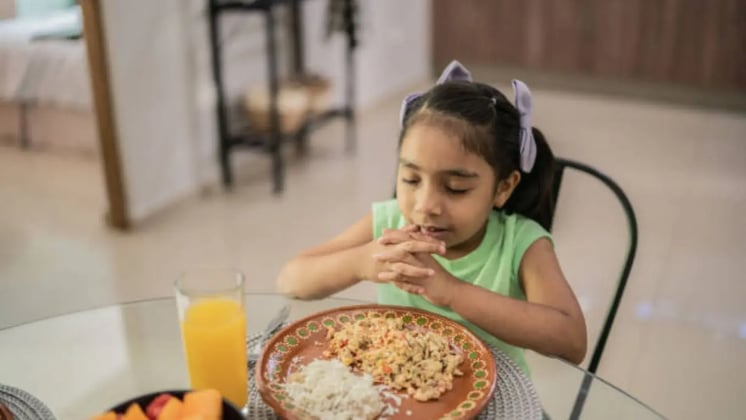
A natural immune booster for kids starts with the food they eat every day. Seasonal changes, school germs, and busy routines can expose children to frequent infections, making a strong immune system essential for healthy growth. The best protection comes from a balanced diet, healthy habits, and everyday ingredients that naturally support the body's defence system.
The nutrients that strengthen immunity are already found in our kitchens. Vitamin C, vitamin D, zinc, iron, antioxidants, and probiotics work together to help the immune system function well. By including the right food categories to build immunity, such as fruits, vegetables, dairy, nuts, seeds, and traditional spices, along with adequate sleep, hydration, and regular physical activity, parents can help children stay active, recover faster, and build lasting immunity naturally.
5 Food Categories That Naturally Build Immunity in Kids
A strong immune system helps children stay active, recover quickly, and enjoy everyday activities with fewer interruptions from illness. Including a variety of nutrient-rich food groups in daily meals is one of the simplest ways to naturally support growing bodies.
Fruits
According to a study published in Food Science & Nutrition (2023), guava and oranges are rich in vitamin C, while papaya provides digestive enzymes and folate. Pomegranates add powerful antioxidants. Serve mixed fruit bowls or pack fresh fruit slices in school tiffins for an easy immunity boost.
Vegetables
Leafy greens and colourful vegetables provide vitamins, minerals, fibre, and antioxidants that support immune health. According to the ISTI, spinach supplies iron and folate, carrots provide beta-carotene (vitamin A), and broccoli is an excellent source of vitamin C. Add them to soups, dals, parathas, or stir-fries to make vegetables more appealing.
Probiotics and Dairy
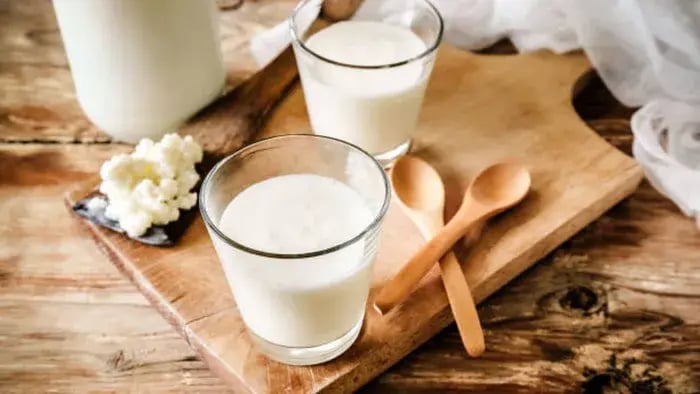
According to FSSAI, gut health plays an important role in supporting immunity. Curd and yogurt provide beneficial probiotics along with protein and calcium. Include curd with lunch, serve raita alongside meals, or offer homemade lassi as a refreshing snack.
Nuts and Seeds
Research published in Foods (2023) highlights almonds as a source of vitamin E, walnuts for omega-3 fatty acids, and pumpkin seeds for zinc, an important mineral for immune function. Offer a handful of mixed nuts and seeds as snacks or add them to porridge and smoothies.
Spices
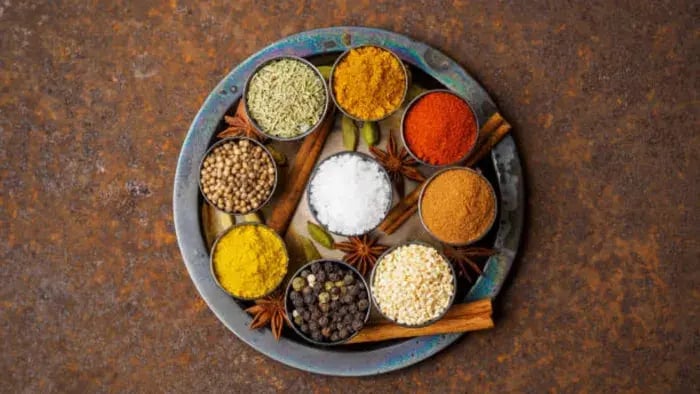
Research published in Pharmaceuticals (Basel) (2023) shows that turmeric contains curcumin, while ginger provides natural compounds that support overall health. Honey also contains antioxidants and may soothe coughs. Add turmeric to warm milk, ginger to soups, or drizzle honey over porridge. However, honey should never be given to babies under one year of age due to the risk of infant botulism.
Simple Daily Meal Ideas Using These Food Categories
Including all five food categories to build immunity doesn't have to be complicated. Small additions throughout the day can provide children with a variety of nutrients.
-
Breakfast:Serve papaya or orange with oats or whole-grain toast, along with a glass of milk or yogurt.
-
School Tiffin:Pack guava slices, vegetable paratha with spinach or carrots, and a small container of curd.
-
Evening Snack: Offer a handful of almonds, walnuts, and pumpkin seeds with fresh fruit.
-
Dinner: Include dal, broccoli or mixed vegetables, and whole grains for a balanced meal.
-
Bedtime: A glass of warm turmeric milk (for children who can tolerate dairy) can be a comforting addition to the evening routine.
Rotating these foods through the week helps children enjoy variety while naturally supporting immunity.
Conclusion
Building strong immunity begins with simple, everyday food choices. Fruits, vegetables, probiotics, nuts, seeds, and traditional spices each contribute important nutrients that help protect growing bodies. Combined with healthy sleep, regular activity, and good hygiene, these natural choices create a strong foundation for lifelong health and resilience.
Frequently Asked Questions
How much curd or yogurt should a child have daily for gut health?

One serving of plain curd or yogurt each day is suitable for many children as part of a balanced diet. Individual needs vary by age.
At what age can children start having spices like turmeric and ginger?
Small amounts of turmeric and ginger can usually be introduced after complementary foods begin, but always use age-appropriate quantities and consult your paediatrician if unsure.
Is honey safe for all children, including babies under one year?
No. Honey should not be given to babies younger than 12 months because it may contain bacteria that can cause infant botulism.
Can nuts and seeds cause allergies in young kids?
Yes. Some children may have nut or seed allergies. Introduce them carefully, watch for allergic reactions, and seek medical advice if your child has a family history of food allergies.
Her love for storytelling began with reading her grandfather’s speeches, where Tarishi saw the power of words in creating lasting memories. Combining her passions for food and writing, she has turned her life into a fulfilling path of sharing stories that celebrate flavours and how food brings communities together.
The views expressed are that of the expert alone.
Popular Topics