

 Parenting Guide


 Child Health & Growth


 Learning & Skills Development


 Food & Nutrition


 Bournvita





Introduction

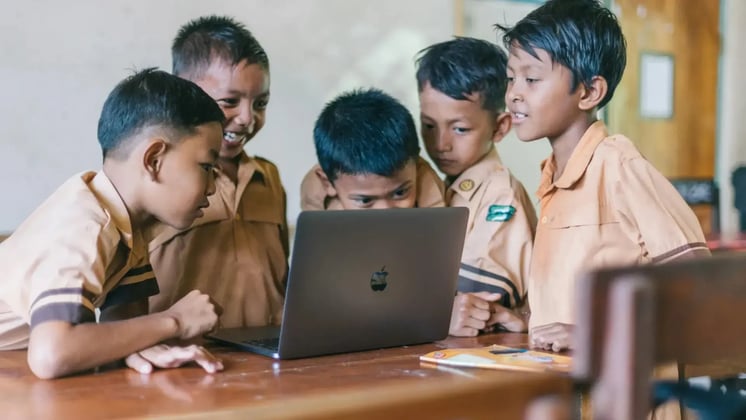
Team building activities give children opportunities to work towards a shared goal while practising communication, cooperation, problem-solving and perseverance. In a world where children may spend considerable time using digital devices or learning independently, planned group activities can create opportunities for meaningful interaction with peers.
However, simply putting children into groups does not automatically teach teamwork. Children need clear tasks, shared responsibilities and opportunities to listen, contribute and solve problems together. Well-structured collaborative activities can help children practise these skills in a supportive setting.
Parents and teachers can use age-appropriate team bonding activities at home, in classrooms or during group sessions. Keep reading for simple activities, practical tips and reflection questions that can make teamwork more meaningful.
What Is Teamwork?
Teamwork is a very simple term, meaning working with everyone together. However, with teamwork comes many different aspects that parents and children must understand. Alongside teamwork, adaptability, adjustment, leadership qualities, and decision-making are some qualities that children individually contribute to the optimal effort and value of teamwork.
Empathy, kindness, opinion, confidence, self-esteem, and all these values also come together with the idea of other team members and respect working together. Individual qualities are essential to ensure that children understand the concept of teamwork and owning this trait to benefit themselves and society. The smooth working and collaboration of every Idea together to ensure the common goal is met between children is known as teamwork.
What Is Perseverance?
Perseverance can be difficult to understand because it is present in every child's effort towards teamwork or any other emotional reaction. Perseverance is the emotional strength or confidence to do something despite adversity and challenges, eventually completing the task.
With proper perseverance and good collaboration/teamwork, children can benefit society and shine individually with a better future. Perseverance can be called good stubbornness to complete any goal or aim by children regardless of any challenges or adversity without getting nervous or anxious about it. Perseverance is one of the major qualities that children must have to enter the hustle of culture and competition in future.
What Makes a Good Team-Building Game?
A good team-building game gives children a shared goal, requires cooperation and allows everyone to contribute. Activities should have clear rules, manageable group sizes and roles that can rotate between participants.
The focus should be on communication, problem-solving and participation rather than simply deciding which team wins. Small groups of around three to five children can make it easier for everyone to take part.
Team Games by Skill
Different games can practise different teamwork skills:
| Skill | Suitable activity |
| Communication | Story Building |
| Problem-solving | Paper Tower Challenge |
| Listening | Instruction Drawing |
| Cooperation | Group Puzzle |
| Perseverance | Team Obstacle Challenge |
Benefits Of Teamwork And Perseverance
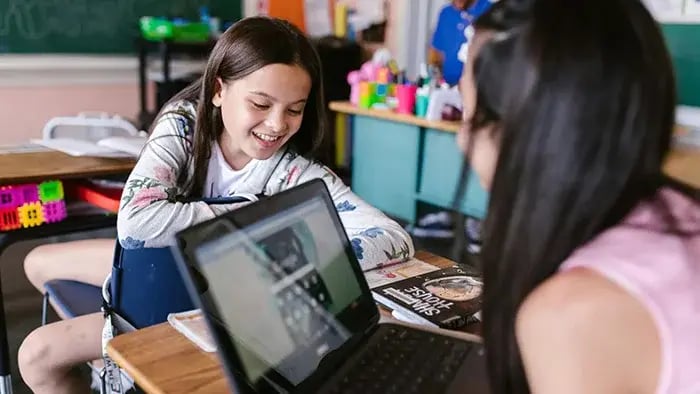
To understand teamwork and perseverance better, here are some benefits enlisting of how teamwork and perseverance help children with their personality development and other morals:
Teamwork:
- Children good with teamwork will eventually know how to adapt faster and support better, helping the chain achieve greater results.
- Children who have better teamwork qualities can also be good leaders.
- Children who are good with teamwork are also very good at communicating with others and are very sociable.
- Children with good teamwork qualities are better at finding solutions to problems.
- Children who are good at teamwork have greater morals and empathy towards other members while working together.
- The kindness factor is also present in children to understand better any situation the other team member faces, along with emotional intelligence.
Perseverance:
- Children with a greater sense of perseverance are known to be consistent and disciplined.
- More persevering children show higher levels of confidence and self-esteem.
- Children with greater perseverance qualities are less burdened or stressed during problematic situations.
- Children with greater perseverance are likely to complete any task regardless of the problems with great problem-solving skills.
- Perseverance benefits children in aiming for higher goals and achieving difficult results.
- Perseverance is also an aspect of self-discipline, which gives children a better quality of life through good mental health.
- Children who are more persevering and honest about their goals are much more focused on their current tasks and are able to execute their decisions correctly.
How to Debrief an Activity
A short discussion after a team activity helps children think about what they experienced. Ask simple questions such as:
- What helped your team work together?
- Did everyone get a chance to contribute?
- What was difficult?
- How did your team solve the problem?
- What would you change next time?
Inclusive and Safe Grouping Tips
Create mixed groups and rotate roles so that the same children do not always lead.
Give every child a meaningful responsibility, including children who may be shy or have disabilities.
Adapt materials, instructions, movement and communication methods when needed.
UNICEF recommends making activities accessible and ensuring children with disabilities can participate meaningfully alongside their peers.
Avoid activities that require blindfolding, forced physical contact or potentially unsafe movement. Participation should be encouraged, not forced.
Team Building Activities for Kids
Paper Tower Challenge
Children work together to build a tall, stable tower using limited materials. They must discuss ideas, divide tasks and adjust their design when it does not work.
- Objective:Practise planning, communication and problem-solving.
- Age:6+ years
- Group size:3–5 children
- Materials:Paper and tape
- Time:15–20 minutes
Group Story Building
Children create one story together, with each participant adding a new part. The activity encourages them to listen to what others say and build on their ideas.
- Objective:Develop listening and communication skills.
- Age:5+ years
- Group size:3–6 children
- Materials:Picture cards or story prompts
- Time:10–15 minutes
Instruction Drawing
One child describes a picture while the others try to draw it without seeing the original. The game shows how clear instructions and careful listening can improve teamwork.
- Objective:Practise clear communication and active listening.
- Age:6+ years
- Group size:3–5 children
- Materials:Paper and pencils
- Time:10–15 minutes
Group Puzzle Challenge
Children work together to complete a puzzle, sharing pieces, identifying patterns and discussing where different pieces might fit.
- Objective:Practise cooperation and problem-solving.
- Age:5+ years
- Group size:3–5 children
- Materials:Age-appropriate puzzle
- Time:15–20 minutes
Paper Bridge Challenge
Children design and build a bridge from paper and tape that can support a lightweight object. They can test, identify weaknesses and improve their design.
- Objective:Build planning, creativity and perseverance.
- Age:8+ years
- Group size:3–5 children
- Materials:Paper, tape and lightweight objects
- Time:20–25 minutes
Team Sorting Challenge
Give children a collection of everyday objects and ask them to decide how to group them. The team must agree on a sorting rule and explain the reasoning behind it.
- Objective:Practise communication and decision-making.
- Age:5+ years
- Group size:3–5 children
- Materials:Safe household or classroom objects
- Time:10–15 minutes
Collaborative Art Poster
Children create one large poster around a shared theme. They decide what to include, divide tasks and combine their individual contributions into one project.
- Objective:Encourage cooperation, creativity and shared decision-making.
- Age:5+ years
- Group size:3–6 children
- Materials:Large paper, crayons or washable colours
- Time:20–30 minutes
Conclusion

Team-building activities can give children practical opportunities to communicate, cooperate, solve problems and practise perseverance. The most useful activities are not necessarily the most competitive; they are the ones in which children have a clear shared goal and meaningful roles.
Start with one simple team-bonding activity, keep the group small, rotate responsibilities, and spend a few minutes discussing what the children learned afterwards. Adapt the activity whenever needed so every child can participate comfortably and safely.
Frequently Asked Questions
What are good team-building games for students?

Paper tower challenges, group puzzles, collaborative stories and creative projects can help students practise communication, cooperation and problem-solving.
Which games build communication?
Instruction drawing, group storytelling and planning challenges require children to listen carefully, explain ideas and respond to their teammates.
How do teachers debrief team activities?
Teachers can ask what worked, what was difficult, how decisions were made and what the group would change during another attempt.
How can games include shy or disabled students?
Offer different roles, adapt materials and communication methods, and invite rather than force participation. Make sure every child has a meaningful way to contribute.
Her love for storytelling began with reading her grandfather’s speeches, where Tarishi saw the power of words in creating lasting memories. Combining her passions for food and writing, she has turned her life into a fulfilling path of sharing stories that celebrate flavours and how food brings communities together.
The views expressed are that of the expert alone.