




 Parenting Guide


 Child Health & Growth


 Learning & Skills Development


 Food & Nutrition


 Bournvita





Introduction
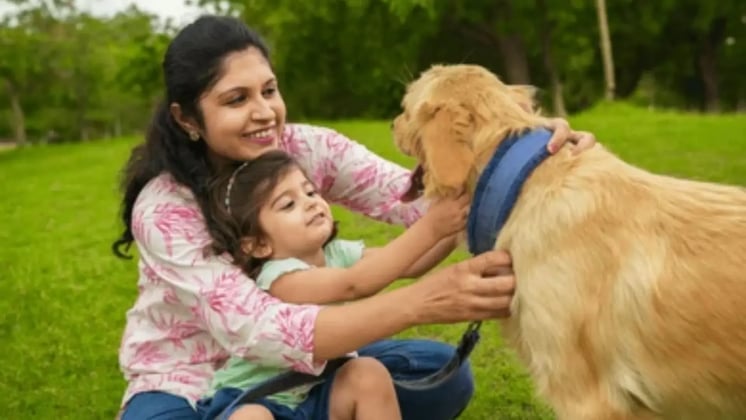
Animal-assisted activities can help children stay active while supporting their emotional and social development. Simple interactions such as walking a dog, grooming a horse or visiting a petting farm encourage children to move, explore and engage with animals in meaningful ways. These activities can support physical fitness by improving coordination, balance and strength, while spending time with animals may also help children feel calmer and more connected.
From taking a dog for a walk to trying horseback riding, children can enjoy movement without feeling like they are doing a formal workout. At the same time, caring for animals teaches valuable lessons about responsibility, empathy and cooperation. Whether your child has a pet at home or joins supervised animal activities elsewhere, these experiences can combine play, learning and movement in an enjoyable way.
Why Animal-Assisted Activities Matter for Kids
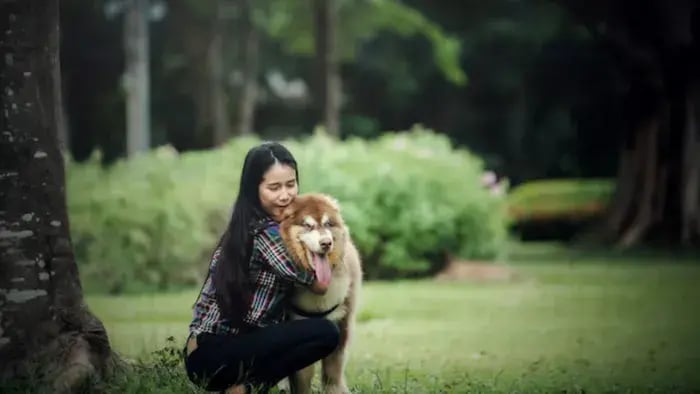
Interacting with animals can offer children a mix of physical, emotional, social and learning experiences. The benefits can vary depending on the activity, the child's age and the level of supervision.
Physical Fitness
Walking dogs, horseback riding and agility activities encourage children to move while building stamina, strength and coordination. Activities that involve regular movement can also support cardiovascular fitness and help children stay active.
Emotional Well-being
Spending time with animals can provide companionship and a calming experience for children. Gentle interactions, such as petting or grooming, may help reduce stress and support emotional well-being.
Social Development
Group activities involving animals encourage children to communicate, cooperate and take turns. Working with others while caring for or handling animals can also help develop empathy and teamwork.
Cognitive Benefits
Caring for an animal involves remembering routines, following instructions and making decisions. Tasks such as feeding, grooming or training can encourage problem-solving, planning and attention.
Motor Skills and Coordination
Petting, grooming and handling animals involve fine motor skills, while activities such as riding, walking or playing fetch involve larger movements. Horseback riding and animal obstacle courses can also challenge balance and coordination.
Muscle Strength
Some animal-related activities involve physical tasks such as grooming horses, carrying appropriate amounts of feed or playing tug-of-war with a dog under supervision. These movements can help children build strength and endurance.
Therapeutic Value
Animal-assisted activities are also used in settings such as schools, hospitals and rehabilitation centres. Under professional supervision, interactions with animals may support physical, communication or emotional goals for some children with disabilities or additional needs.
Educational Opportunities
Animals can make learning more engaging by introducing children to animal behaviour, biology and the natural environment. These experiences can encourage curiosity and develop greater respect for animals and nature.
Responsibility and Discipline
Feeding, grooming and cleaning up after an animal teach children that caring for another living being requires consistency. Age-appropriate responsibilities can help develop discipline, time management, empathy and a sense of accountability.
Popular Animal-Assisted Activities for Kids
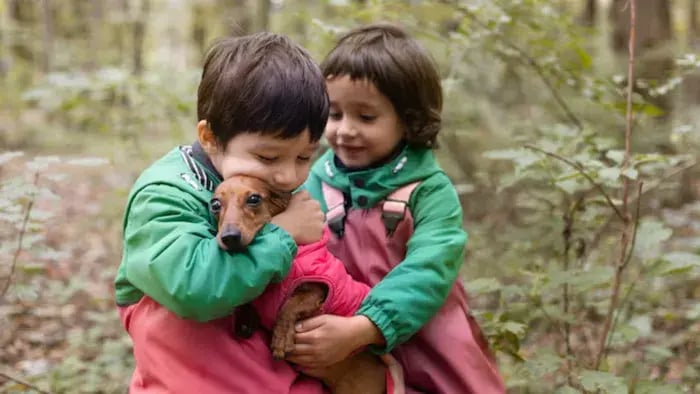
Different activities suit different ages, abilities and comfort levels. Choose options that allow children to participate safely and enjoy the experience.
Dog Walking
Walking a dog encourages children to stay active while spending quality time with their pet. It can support cardiovascular fitness and stamina while also teaching responsibility and strengthening the bond between the child and dog.
Horseback Riding
Horseback riding involves balance, coordination and core control. With proper instruction and safety equipment, it can be an enjoyable activity that challenges posture, movement and muscular endurance.
Agility Training with Dogs
Children can participate in simple, age-appropriate agility activities with a dog, such as moving around cones or navigating basic obstacles. These games encourage movement, speed, coordination and teamwork.
Farm Chores
Supervised farm activities such as feeding animals, cleaning appropriate areas or helping with light tasks can give children an active way to interact with animals. Older children may also participate in suitable tasks such as carrying small amounts of feed.
Petting Zoos and Animal Therapy
Petting zoos can give younger children an opportunity to observe and gently interact with different animals. Animal-assisted therapy, meanwhile, should take place under trained professional supervision and may provide sensory, emotional or developmental support.
Safety Tips for Animal-Assisted Activities
- Always supervise: Young children should not interact with animals without an attentive adult nearby.
- Choose age-appropriate activities: Younger children may be better suited to gentle animal observation or supervised petting, while older children can try activities such as riding or agility training with proper instruction.
- Respect animal boundaries: Teach children not to pull tails, disturb animals while they are eating or approach unfamiliar animals without permission.
- Check for allergies: Parents should consider known animal allergies before planning activities and seek medical advice when necessary.
- Use safety equipment: Activities such as horseback riding should include appropriate protective equipment and trained supervision.
- Follow hygiene habits: Children should wash their hands after touching animals, especially before eating.
- Start gradually: If a child is nervous around animals, begin with observation and allow them to interact at their own pace.
Conclusion
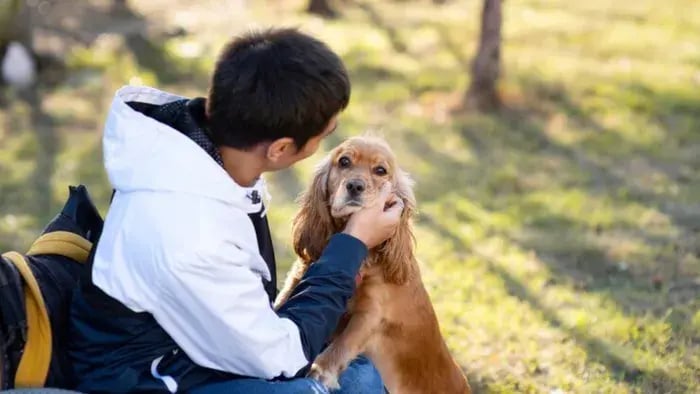
Animal-assisted activities are more than recreational experiences; they can give children opportunities to move, learn and build meaningful connections with animals. From improving coordination and encouraging physical activity to developing empathy and responsibility, the right activity can support several areas of a child's development. Start with something simple, such as a supervised dog walk or petting-zoo visit, and let your child discover which animal activity they enjoy most.
Frequently Asked Questions
How do animal-assisted activities help with children's fitness?

Activities such as dog walking, horseback riding and animal agility games encourage movement while supporting stamina, balance, coordination and strength.
What is the best animal-assisted activity for young kids?
Supervised activities such as gentle petting, animal observation and age-appropriate farm visits can be suitable starting points for younger children.
Are animal-assisted activities safe for children with disabilities?
They can be appropriate for some children when activities are adapted to their needs and supervised by trained professionals. Parents should discuss suitability with the child's care team when needed.
Her love for storytelling began with reading her grandfather’s speeches, where Tarishi saw the power of words in creating lasting memories. Combining her passions for food and writing, she has turned her life into a fulfilling path of sharing stories that celebrate flavours and how food brings communities together.
The views expressed are that of the expert alone.
Popular Topics