




 Parenting Guide


 Child Health & Growth


 Learning & Skills Development


 Food & Nutrition


 Bournvita


Frequently Asked Questions
Mental Health
Back to FaqsChild mental health is a child's emotional, social, and psychological well-being. It has a huge impact on how they think, feel, learn, behave, and cope with everyday life as they grow.
You can explain mental health to a child by telling them that mental health is about how the mind feels, just as physical health is about how the body feels. Parents should tell kids that it is okay to talk about emotions.
Good mental health is responsible for a child's learning, friendships, confidence, and emotional growth. Poor mental health can affect behaviour, school performance, relationships, and the ability to cope with everyday challenges.
A child's mental health can be improved by providing a loving home, encouraging open conversations, ensuring they have enough sleep, healthy meals, active play, and seeking support whenever it is needed.
Doctors or mental health professionals can assess behaviour, emotions, development, family history, and school performance through conversations and age-appropriate screening tools. Parents and teachers can also share valuable information during the assessment.
Early interventions for children include counselling, family support, school-based help, behaviour therapy, and teaching children healthy coping skills before problems become more serious. Starting support early can improve a child's emotional well-being and development.
Good mental health helps children learn, build relationships, manage emotions, handle challenges, and enjoy a healthy and balanced childhood. Starting support early can improve a child's emotional well-being and overall development.
Healthy daily habits like regular sleep, nutritious meals, physical activity, outdoor play, family time, open conversations, and limited screen time help improve children's mental well-being and support their emotional development.
Parents should seek help for their child's mental health concerns when they see changes in mood, behaviour, sleep, eating, or school performance, which last for several weeks or interfere with daily life.
Children may experience anxiety, stress, depression, low self-esteem, bullying, behavioural problems, learning difficulties, or emotional struggles during their childhood when major life changes happen. Early support can help them cope better and improve their well-being.
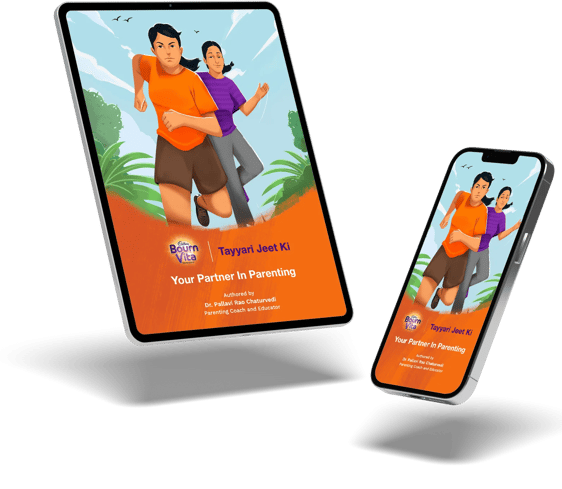
Free parenting e-book authored by parenting coach, Dr Pallavi Rao Chaturvedi
We know that searching for answers everywhere can be tough on parents. Here’s a hand-book to equip you with information you need to get your kids ready for a bright future!
Download Parenting E Book