




 Parenting Guide


 Child Health & Growth


 Learning & Skills Development


 Food & Nutrition


 Bournvita


Frequently Asked Questions
Social Skills & Relationships
Back to FaqsSocial skills is a way for kids to make friends and stay engaged in conversations with people. It helps children communicate, cooperate, share, solve conflicts, understand emotions, and build healthy relationships. Strong social skills support confidence, teamwork, and emotional development.
There are various ways for kids to develop social skills, but some simple activities are, role-playing, team sports, board games, storytelling, group projects, pretend play, volunteering, and cooperative games help children develop communication, empathy, teamwork, and problem-solving skills.
The five core social skills for kids are communication, active listening, empathy, cooperation and conflict resolution. These skills help children build friendships, manage emotions, and interact confidently with other kids.
Screen time not only affects kids' mental health but also affects their social skills. Excessive screen time may reduce face-to-face interactions, communication, and empathy. Balanced screen use with regular social activities supports healthy social skills and emotional development.
Encourage conversations, role-play social situations, praise effort, arrange playdates, support hobbies, and teach problem-solving. Positive experiences gradually build confidence in social settings, improving communication, resilience, self-esteem, and lasting friendships with peers.
Signs include avoiding classmates, difficulty making friends, frequent loneliness, withdrawal, anxiety, bullying concerns, poor teamwork, or reluctance to attend school or social activities, along with low confidence and poor classroom participation.
Encourage small group interactions, practise conversation skills, support shared interests, arrange playdates, and avoid forcing social situations. Confidence grows through positive, gradual social experiences, with patience, encouragement, and consistent emotional support from parents.
Group activities teach cooperation, communication, teamwork, empathy, leadership, and conflict resolution. They also help children build friendships, improve confidence, and develop positive social behavior, while encouraging respect, inclusion, and effective peer collaboration every day.
Listen with empathy, validate feelings, teach resilience, encourage healthy friendships, practise problem-solving, and remind your child that rejection is a normal part of social growth, helping build emotional strength and self-confidence over time.
Parents should teach communication, empathy, active listening, sharing and cooperation, and respectful conflict resolution. These essential social skills help children build strong relationships and emotional confidence, preparing them for success at school and beyond.
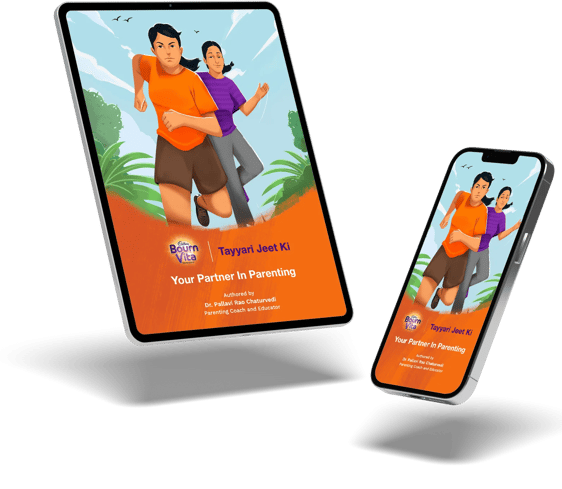
Free parenting e-book authored by parenting coach, Dr Pallavi Rao Chaturvedi
We know that searching for answers everywhere can be tough on parents. Here’s a hand-book to equip you with information you need to get your kids ready for a bright future!
Download Parenting E Book