




 Parenting Guide


 Child Health & Growth


 Learning & Skills Development


 Food & Nutrition


 Bournvita


Frequently Asked Questions
Preventive Wellness
Back to FaqsPreventive wellness focuses on keeping children healthy before problems develop. It helps them to follow healthy habits, regular check-ups, vaccinations, and early care for good health. These steps help children grow well.
The three pillars of preventive wellness that parents should focus on while their children are growing are healthy nutrition, regular physical activity, and routine healthcare. These pillars support healthy growth and help prevent illness.
For children aged between 0 and 5, parents should ensure children have up-to-date vaccinations, nutritious meals, active play, good hygiene, regular health check-ups, and enough sleep, which are the most important preventive health steps.
Preventive care helps detect health concerns early, lowers the risk of illness, supports healthy development, and encourages lifelong healthy habits. It also gives parents the opportunity to discuss their child's growth and health with a doctor.
The most important preventive healthcare habits for a growing child are eating balanced meals, staying physically active, sleeping well, practising good hygiene, and attending regular medical and dental check-ups for a healthy life.
Good nutrition helps a child strengthen immunity, support healthy growth, improve energy levels, and reduce the risk of nutrient deficiencies and illness. A balanced diet also helps children stay active and develop healthy eating habits.
When preventive care habits are developed early by children, they lower the risk of chronic diseases, improve overall well-being, and support better health throughout adulthood. Preventive care also encourages children to make healthier lifestyle choices.
Create regular routines for healthy meals, physical activity, sleep, hygiene, and health check-ups. Encourage consistency every day, as small healthy habits can make a big difference to your child's health.
Parents are responsible for encouraging healthy habits by scheduling vaccinations and check-ups, providing nutritious meals, supporting active play, and seeking medical advice when needed for kids' preventive healthcare. Their involvement helps children stay healthy.
Regular physical activity contributes to a child's preventive wellness by strengthening their bones and muscles, supporting heart health, maintaining a healthy weight, boosting immunity, and improving children's mental well-being.
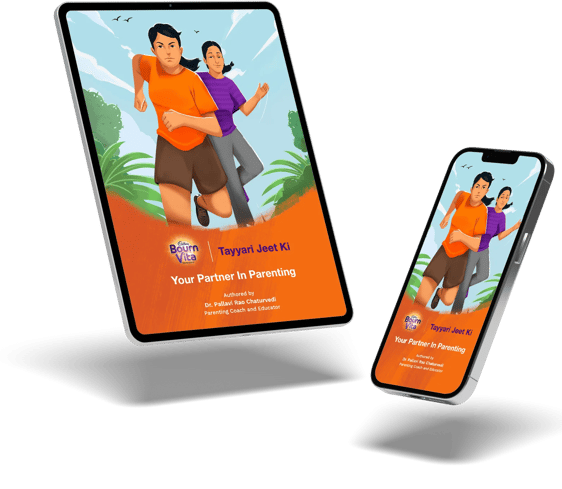
Free parenting e-book authored by parenting coach, Dr Pallavi Rao Chaturvedi
We know that searching for answers everywhere can be tough on parents. Here’s a hand-book to equip you with information you need to get your kids ready for a bright future!
Download Parenting E Book