




 Parenting Guide


 Child Health & Growth


 Learning & Skills Development


 Food & Nutrition


 Bournvita


Frequently Asked Questions
Mindfulness
Back to FaqsMindfulness techniques for kids are simple and easy to follow. Here is a list of simple techniques: deep breathing, body scans, mindful coloring, guided imagery, gratitude practice and mindful listening. These activities improve focus, emotional regulation, and overall well-being.
Kid-friendly meditation exercises include guided meditation, breathing exercises, body scans, visualisation, gratitude meditation, and mindful sitting. Parents can help kids with regular practice that supports relaxation, focus, emotional balance, and stress management.
The calm strategies for kids are deep breathing, counting slowly, stretching, listening to soothing music, using a calm-down corner, practising mindfulness, and talking about feelings in a safe environment.
The simplest and most effective way is to choose age-appropriate mindfulness activities that align with your child's interests and attention span. Keep sessions short, fun, and consistent, and encourage participation without pressure to improve engagement.
Fun mindfulness activities for kids include mindful colouring, nature walks, bubble breathing, yoga, gratitude jars, sensory games, mindful eating, and emotion charades to improve focus and emotional awareness.
Simple mindfulness exercises a child can try at home are deep breathing, body scans, mindful stretching, gratitude sharing, mindful eating, guided visualisation, or quiet observation games. Short daily practice helps children build emotional regulation and focus.
Yes, this certainly can. Regular mindfulness practice can help kids improve attention, emotional regulation, self-control, classroom behavior, and stress management, helping children participate more confidently in learning ability and social activities.
Fun, kid-friendly breathing exercises to calm kids include balloon breathing, flower-and-candle breathing, bubble breathing, star breathing, teddy bear breathing, and rainbow breathing. These playful techniques help children relax and manage strong emotions.
Yes. Mindfulness can reduce bedtime anxiety, calm racing thoughts, relax the body, and improve sleep quality through breathing exercises, guided relaxation, and consistent bedtime routines. This helps kids do better in school and stay energised all day.
Mindfulness is a process of calming the brain down by focusing on something else. It helps children recognize emotions, stay present, regulate breathing, reduce worry, and respond calmly to stressful situations, improving emotional resilience and overall mental well-being.
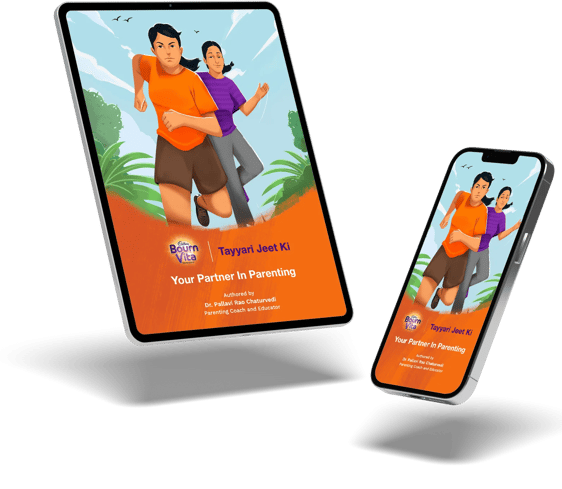
Free parenting e-book authored by parenting coach, Dr Pallavi Rao Chaturvedi
We know that searching for answers everywhere can be tough on parents. Here’s a hand-book to equip you with information you need to get your kids ready for a bright future!
Download Parenting E Book