




 Parenting Guide


 Child Health & Growth


 Learning & Skills Development


 Food & Nutrition


 Bournvita


Frequently Asked Questions
Academics & Study Skills
Back to FaqsThe most effective study habits include following a consistent study schedule, setting achievable goals, taking regular breaks, staying organised, revising daily, limiting distractions, and getting enough sleep to improve focus and academic performance.
Effective study techniques include active recall, spaced repetition, mind maps, summarising lessons, practising sample questions, teaching concepts to others, and using visual aids to improve understanding, memory, and long-term learning.
Develop study skills by teaching time management, goal setting, note-taking, active reading, regular revision, organisation, and problem-solving. Encouraging consistent study routines helps students become independent, confident, and successful learners.
Important study skills include reading comprehension, note-taking, time management, organisation, active listening, memory techniques, critical thinking, test preparation, problem-solving, and effective revision strategies that improve academic success.
Academic skills help children understand concepts, think critically, communicate effectively, solve problems, manage time, and perform confidently in school. These skills also prepare them for higher education and future careers.
Academic skills develop through regular reading, consistent practice, effective study habits, classroom participation, constructive feedback, critical thinking activities, and supportive guidance from parents and teachers throughout a child's education.
The best study time varies by child, but many children learn effectively during the early evening after a short break from school. Choose a consistent, distraction-free time when your child feels alert.
The best and useful note-taking techniques include the Cornell method, mind mapping, outlining, colour coding, keyword notes, and summarising important points. These methods improve organisation, understanding, revision, and long-term memory retention.
Simple ways to improve writing skills through regular reading, daily writing practice, vocabulary building, grammar exercises, creative writing, constructive feedback, and encouraging students to revise and edit their work independently.
The best ways to make studying feel less boring and more enjoyable by using educational games, quizzes, colourful visuals, interactive activities, short study sessions, reward systems, hands-on learning, and connecting lessons to real-life experiences and children's interests.
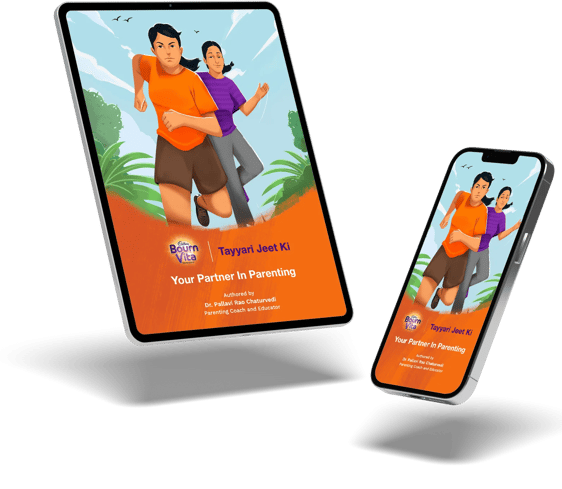
Free parenting e-book authored by parenting coach, Dr Pallavi Rao Chaturvedi
We know that searching for answers everywhere can be tough on parents. Here’s a hand-book to equip you with information you need to get your kids ready for a bright future!
Download Parenting E Book