




 Parenting Guide


 Child Health & Growth


 Learning & Skills Development


 Food & Nutrition


 Bournvita


Frequently Asked Questions
Essential Nutrients
Back to FaqsEssential nutrients are proteins, vitamins, minerals, and healthy fats the body can't produce on its own. Children need these nutrients on a regular basis to grow and have the proper immune system.
Protein is the star of muscle building and repair. Eggs, lentils, dairy, and lean meats help in tissue growth and steady muscular development across all the stages of early childhood.
Calcium, coupled with adequate protein and vitamin D, is a key player in height growth by helping build bones and support proper skeletal development during a child's most important years of growth.
Add ground flaxseeds to smoothies, porridge, or homemade snacks, or chopped walnuts to trail mixes or energy bars, for an easy way to boost your daily intake of natural omega-3s when you're on the run.
Indian children are very commonly deficient in iron, vitamin D, vitamin B12, and calcium. This is often due to a variety of diets, poor eating habits, and inadequate exposure to sunlight during the day, especially in urban households.
Eat a balanced diet with seasonal fruits, vegetables, dairy, and protein daily, and get regular pediatric health check-ups to identify any nutritional deficiencies early, before they affect your growth or long-term development.
The signs are often tiredness, poor concentration, slow growth, frequent illness, pale skin, and a loss of appetite over time. Take the child to a qualified pediatrician without delay if the symptoms persist or worsen.
Milk, curd, paneer, ragi, sesame seeds, and leafy greens such as spinach are easily available, inexpensive, calcium-rich foods that are very appropriate to most Indian children's daily home diets regularly all year round.
Indian children can maintain healthy hemoglobin levels by consuming iron-rich foods such as jaggery, spinach, lentils, pomegranate, and dates year-round, especially during periods of rapid growth and increased demand.
Include dairy products, ragi, and sesame seeds regularly in the daily diet, and pair them with sources of vitamin D, such as sunlight exposure, to naturally boost calcium absorption in growing children over the long run.
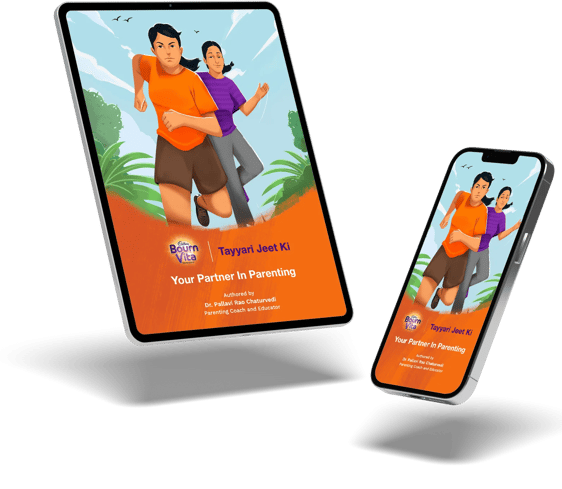
Free parenting e-book authored by parenting coach, Dr Pallavi Rao Chaturvedi
We know that searching for answers everywhere can be tough on parents. Here’s a hand-book to equip you with information you need to get your kids ready for a bright future!
Download Parenting E Book