




 Parenting Guide


 Child Health & Growth


 Learning & Skills Development


 Food & Nutrition


 Bournvita


Frequently Asked Questions
Vaccination Schedule
Back to FaqsA vaccine trains the immune system of children to recognise and fight harmful germs. This helps protect children from serious diseases if they are exposed to them later in life.
A vaccination schedule is a timeline that shows which vaccines a child should be getting and what the recommended ages are for each dose. Following the schedule helps children get protection during their growing years.
The main vaccines for kids are against tuberculosis, polio, hepatitis B, diphtheria, tetanus, pertussis, measles, mumps, rubella, rotavirus, and other serious infections. These vaccines help protect children from illnesses in growing years.
Vaccines are given at different ages to a kid. It starts from birth and continues through childhood. A parent should follow the national immunisation schedule or their paediatrician's advice while giving vaccines to children.
Vaccines train a child's immune system as they contain weakened, inactive, or harmless parts of germs. They help the immune system build protection without causing the full disease to a kid.
In the first week of life, children in India are given the BCG, hepatitis B birth dose, and oral polio vaccine. These are recommended under the national immunisation programme by the government.
Vaccination often causes mild fever, pain, redness, swelling at the injection site, and fussiness in many children. These side effects usually go away within a day or two if proper care is taken.
The 5 most critical vaccines every child in India must receive are BCG, hepatitis B, polio, DPT-containing vaccines, and measles-rubella vaccines. These vaccines protect against several serious diseases.
The complete government-recommended vaccination schedule for children from birth through 5 years is available under India's Universal Immunisation Programme. Follow the official schedule or consult your paediatrician for timely doses.
Vaccinations for a child begin from birth till adolescence with routine and booster doses. The exact schedule of vaccination depends on the national programme and your child's vaccination history. It is not common for all.
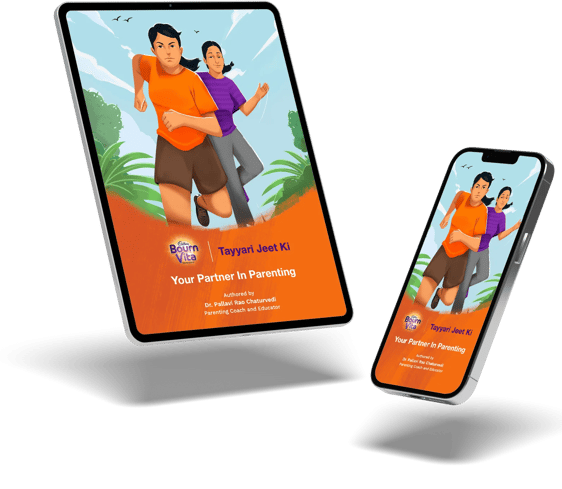
Free parenting e-book authored by parenting coach, Dr Pallavi Rao Chaturvedi
We know that searching for answers everywhere can be tough on parents. Here’s a hand-book to equip you with information you need to get your kids ready for a bright future!
Download Parenting E Book