




 Parenting Guide


 Child Health & Growth


 Learning & Skills Development


 Food & Nutrition


 Bournvita


Frequently Asked Questions
Puberty & Adolescence
Back to FaqsPuberty is the stage when a child's body matures into adulthood. Hormonal changes triggered by the brain cause physical, emotional, and reproductive development during this period, preparing children for adulthood through gradual biological and developmental changes.
Puberty usually begins between 8–13 years in girls and 9–14 years in boys. The timing varies depending on genetics, nutrition, overall health, and individual development, with every child's growth pattern being unique and completely normal.
Balanced nutrition provides protein, calcium, iron, vitamins, and healthy fats essential for growth, bone development, muscle strength, hormonal balance, brain function, and overall health during puberty, supporting energy levels, immunity, and healthy physical development every day.
Adolescence includes early (10–13 years), middle (14–17 years), and late (18–21 years) stages, involving physical growth, emotional development, identity formation, increasing independence, and improved decision-making, while strengthening social skills and preparing for adult responsibilities gradually.
Girls develop breasts, begin menstruation, grow taller, develop wider hips, experience body hair growth, increased sweating, oily skin, and gradual changes in body shape and composition, as hormones prepare the body for reproductive maturity and adulthood.
Boys experience growth spurts, deeper voices, facial and body hair, increased muscle mass, broader shoulders, genital development, oily skin, acne, and increased sweating during puberty, as hormonal changes support physical growth and reproductive maturity over time.
Use age-appropriate language, encourage questions, provide accurate information, discuss body changes positively, respect privacy, and maintain open, honest communication to help your child feel comfortable and informed, building trust, confidence, and healthy parent-child communication throughout adolescence.
Children may experience mood swings, increased sensitivity, self-consciousness, curiosity, anxiety, stronger emotions, changing friendships, and a growing desire for independence as hormones influence emotional development, making parental understanding, patience, and support especially important during this stage.
Good personal hygiene prevents body odour, acne, skin infections, and poor oral health. Regular bathing, clean clothing, deodorant, and proper menstrual hygiene support confidence and overall well-being while reducing the risk of infections and improving daily self-esteem.
Common mistakes include poor communication, excessive control without trust, and dismissing teenagers' emotions. Supportive guidance, active listening, and balanced boundaries encourage healthy adolescent development and stronger relationships, while fostering independence, mutual respect, and emotional security at home.
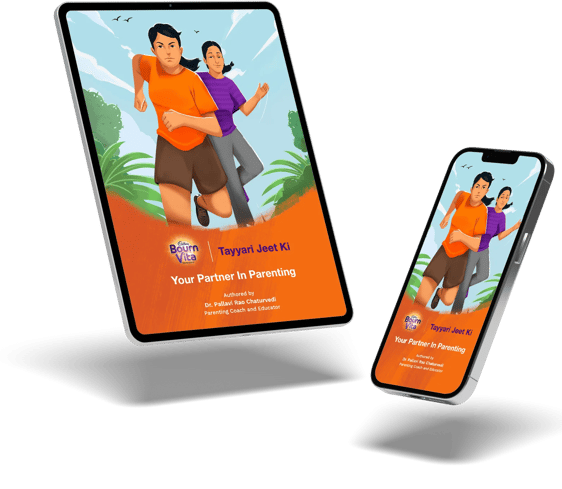
Free parenting e-book authored by parenting coach, Dr Pallavi Rao Chaturvedi
We know that searching for answers everywhere can be tough on parents. Here’s a hand-book to equip you with information you need to get your kids ready for a bright future!
Download Parenting E Book