




 Parenting Guide


 Child Health & Growth


 Learning & Skills Development


 Food & Nutrition


 Bournvita


Frequently Asked Questions
Depression
Back to FaqsChildhood depression is diagnosed through a detailed evaluation by a qualified mental health professional, including behavioural observations, emotional assessments, medical history, and discussions with parents, caregivers, and teachers.
Depression in children can be caused by genetics, brain chemistry, trauma, chronic stress, bullying, family conflict, medical conditions, or significant life changes. The multiple factors often contribute together and result in depression in kids.
Early signs of depression in kids include persistent sadness, irritability, loss of interest, sleep changes, poor concentration, withdrawal from friends, low energy, declining academic performance, and changes in appetite.
The symptoms of depression in children include ongoing sadness, irritability, hopelessness, fatigue, sleep disturbances, appetite changes, difficulty concentrating, social withdrawal, loss of interest, and thoughts of self-harm in severe cases.
Helpful activities for kids with depression include regular exercise, outdoor play, creative arts, music, journalling, mindfulness, family time, and enjoyable hobbies. These support emotional well-being alongside professional treatment when needed.
The best treatments for childhood depression typically include psychotherapy, especially cognitive behavioural therapy, family support, healthy routines, and, in some cases, medication prescribed by a qualified healthcare professional.
To treat depression in kids naturally, parents should support children with healthy sleep, balanced nutrition, regular physical activity, open communication, structured routines, and enjoyable activities. Natural approaches should complement, not replace, professional mental health care.
Yes, some situations where parents can lead kids to depression. But parents alone do not usually cause childhood depression. However, chronic conflict, neglect, abuse, or prolonged family stress may increase the risk alongside genetic, biological, and environmental factors.
Depression in children is a mental health condition causing persistent sadness, irritability, loss of interest, and emotional or behavioral changes that can affect daily life, relationships, learning ability and more.
The common myths about depression in children include believing children cannot develop depression, will simply outgrow it, or seek attention. Childhood depression is real, treatable, and requires understanding and appropriate professional support.
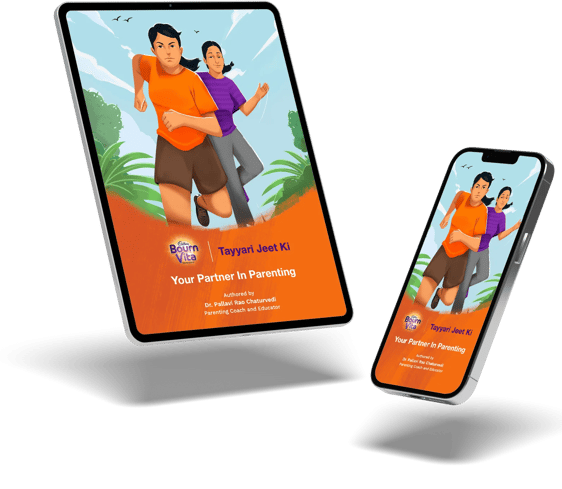
Free parenting e-book authored by parenting coach, Dr Pallavi Rao Chaturvedi
We know that searching for answers everywhere can be tough on parents. Here’s a hand-book to equip you with information you need to get your kids ready for a bright future!
Download Parenting E Book