




 Parenting Guide


 Child Health & Growth


 Learning & Skills Development


 Food & Nutrition


 Bournvita


Frequently Asked Questions
Music & Drawing
Back to FaqsSimple, playful activities can introduce children to music or drawing as early as two or three, with structured lessons usually becoming more effective around five or six.
Relaxed, fun drawing activities, such as tracing shapes, doodling animals, coloring outlines, and drawing family portraits, help children develop confidence, creativity, and fine motor control through relaxed, fun practice at their own pace.
Children learn music to improve their memory, listening, pattern recognition, and concentration skills, but also to help with emotional regulation and build links between language processing and mathematical reasoning skills from a very early age.
Simple techniques such as finger painting, watercolor washes, sponge stamping, and blending exercises are all great ways for children to build confidence with simple household materials before progressing to more detailed artwork gradually.
To engage and sustain a child's natural curiosity and interest in Indian classical music, use rhythm games, storytelling around ragas, colorful instruments, and pairing lessons with movement or dance.
Musical instruments like the keyboard, tabla, or violin help in brain development by enhancing coordination, memory, and auditory processing, but it is much more important to practice regularly than to pick up one instrument early on.
It really depends on the personality and interests of the child. Classical, folk, freestyle, etc. Each one helps with coordination, confidence, and creative expression over time.
It is suggested that parents take into account their child's energy level, interests, and comfort with movement when choosing between styles such as hip-hop, contemporary, or jazz and try a trial class before fully committing to one style.
Drawing helps children develop fine motor skills, concentration, and self-expression. It also builds patience and observation skills that quite consistently support learning in other creative and academic subjects over time.
Drawing encourages children to talk about shapes, colors, and stories, developing vocabulary, sequencing, and expressive communication skills that naturally support language development and social interaction from a young age.
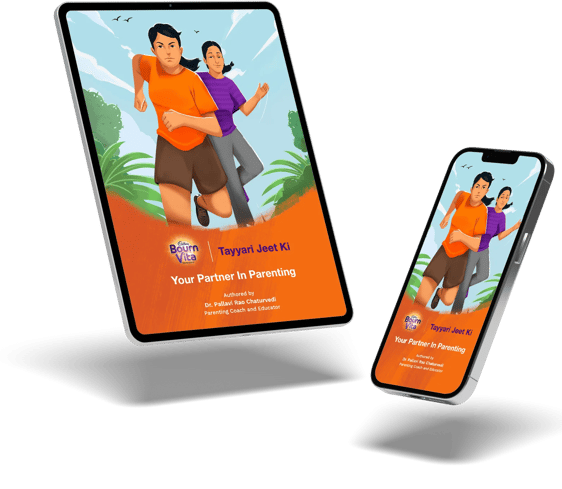
Free parenting e-book authored by parenting coach, Dr Pallavi Rao Chaturvedi
We know that searching for answers everywhere can be tough on parents. Here’s a hand-book to equip you with information you need to get your kids ready for a bright future!
Download Parenting E Book