




 Parenting Guide


 Child Health & Growth


 Learning & Skills Development


 Food & Nutrition


 Bournvita


Frequently Asked Questions
Stress
Back to FaqsReduce stress in children by maintaining routines, encouraging open communication, promoting physical activity, ensuring adequate sleep, limiting screen time, and teaching relaxation techniques like deep breathing and mindfulness.
Stress does not usually cause fever in toddlers. However, stress may worsen existing symptoms. A fever typically indicates an infection or another medical condition, and it should be evaluated if persistent.
Common causes of stress in children often include school pressure, family conflict, bullying, illness, major life changes, academic expectations, social difficulties, and traumatic experiences. Identifying triggers helps children receive appropriate support.
Certain signs of stress in a child may include irritability, sleep disturbances, headaches, stomachaches, mood changes, withdrawal, difficulty concentrating, changes in appetite, frequent crying, poor attention, and declining school performance.
Chronic stress can affect a child's brain development, emotional regulation, learning, memory, behavior, relationships, and physical health. Early support helps reduce long-term impacts and reduce the chances of mental health challenges.
Children should obtain vitamins through a balanced diet to reduce stress. Vitamin D, B vitamins, magnesium, and iron support overall health, but make sure supplements are only given under medical advice.
The physical symptoms of stress in kids can include headaches, stomachaches, muscle tension, fatigue, sleep problems, certain changes in appetite, rapid heartbeat, sweating, nail-biting, and frequent unexplained aches or pains.
A simple way to help your child is to listen without judgement, maintain routines, encourage exercise, ensure healthy sleep, teach relaxation techniques, spend quality time together, and seek professional help when needed.
The effects of childhood stress may increase the risk of anxiety, depression, chronic health conditions, relationship difficulties, low self-esteem, and poor coping skills during adulthood. This can further lead to bad mental health.
The three main types of stress in children are positive stress, tolerable stress, and toxic stress. Their effects depend on the child's support system, duration, and severity of stressful experiences.
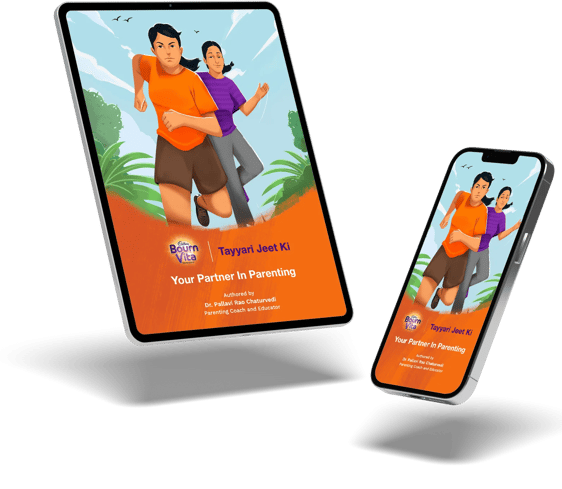
Free parenting e-book authored by parenting coach, Dr Pallavi Rao Chaturvedi
We know that searching for answers everywhere can be tough on parents. Here’s a hand-book to equip you with information you need to get your kids ready for a bright future!
Download Parenting E Book