




 Parenting Guide


 Child Health & Growth


 Learning & Skills Development


 Food & Nutrition


 Bournvita


Frequently Asked Questions
Storytelling
Back to FaqsClassic fairy tales like Cinderella, Jack and the Beanstalk, and The Three Little Pigs are timeless classics. They tell timeless, engaging stories that teach valuable lessons of kindness, courage, and perseverance.
To make story time fun, use expressive voices, hand puppets, colorful picture books, and interactive questions to keep children fully engaged during the entire story experience and encourage them to predict outcomes each time.
At home, parents can encourage children to create picture-based stories, use puppet shows, act out favourite tales and try to come up with imaginative new endings to familiar, well-loved narratives together as a family.
Storytelling competitions are a chance for children to develop public speaking, memory, vocabulary, expression, and confidence, as well as encourage creative thinking and structured narration in a supportive and engaging atmosphere for meaningful long-term development.
Storytelling helps children develop their vocabulary, listening skills, emotional understanding, and imagination. It also builds the parent-child bond with shared, meaningful moments of connection, trust, and engagement each night at bedtime.
The Tortoise and the Hare, The Boy Who Cried Wolf and stories from Panchatantra are the most popular moral stories. Moral stories are easy to understand and easy to remember.
Indian bedtime stories are of soft rhythms, familiar characters, and soothing themes that help children to relax mentally. It makes it easy for children to transition from an active day into a peaceful, restful sleep.
Changing tone, using expressive gestures, and making thoughtful pauses for interaction are effective storytelling techniques that help a child develop listening comprehension, vocabulary, and overall confidence in expressing thoughts clearly, coherently, and persuasively.
Storytelling games like "add a sentence," picture prompts, and guess-the-ending challenges make narrative practice a real pleasure for children of many ages. They also encourage imagination, turn-taking and collaborative thinking.
Indian folk tales such as Panchatantra and Jataka stories teach the lessons of honesty, friendship, and wisdom througturn-taking,aracters, which make the moral values relatable, memorable, and meaningful for young, growing children.
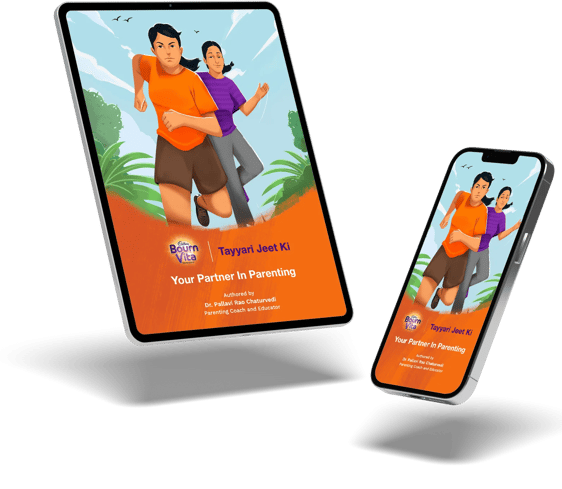
Free parenting e-book authored by parenting coach, Dr Pallavi Rao Chaturvedi
We know that searching for answers everywhere can be tough on parents. Here’s a hand-book to equip you with information you need to get your kids ready for a bright future!
Download Parenting E Book