




 Parenting Guide


 Child Health & Growth


 Learning & Skills Development


 Food & Nutrition


 Bournvita


Frequently Asked Questions
Physical Activity
Back to FaqsPhysical activity strengthens children's bones and muscles, supports their growth, improves fitness, boosts their mood, and helps children stay active and confident. It also improves balance, coordination, and physical and mental well-being.
Physical activity helps children grow stronger, maintain a healthy weight, sleep better, improve concentration, and develop lifelong healthy habits for life. Regular movement also supports emotional well-being and encourages an active lifestyle from an early age.
Physical activity improves children's heart health, strengthens their bones and muscles, boosts balance and coordination, supports mental health, and increases energy levels. It also helps children stay fit, confident, and physically active.
Children can practice physical activities like aerobic exercises, muscle-strengthening exercises, bone-strengthening activities, stretching, and active playing. Including different types of activities helps improve fitness and supports healthy growth and development.
Running, cycling, dancing, skipping, swimming, football, hide-and-seek, hopscotch, obstacle courses, and playground games are some physical activities that can also be fun for kids. These activities keep children active and improve their strength, fitness, and coordination.
Children can reduce the risk of sports injuries by warming up before exercise, wearing proper safety gear, using the correct techniques, staying hydrated, and getting rest and recovery between activities.
When children are in the toddler stage, they need activity throughout the day. While children and teenagers should get at least 60 minutes of moderate to vigorous physical activity on a daily basis.
School-going children should engage in physical activity for at least 60 minutes a day, which also includes muscle and bone-strengthening activities. Their routine should also include activities that strengthen muscles and bones to support healthy growth and fitness.
Some good indoor physical activities for kids are dance sessions, yoga, jumping games, obstacle courses, balloon volleyball, active video games, and simple bodyweight exercises. These activities help children stay active even when they cannot play outside.
The WHO recommends at least 60 minutes of moderate to vigorous physical activity for children on a daily basis, including muscle and bone-strengthening exercises. It also advises including muscle- and bone-strengthening activities.
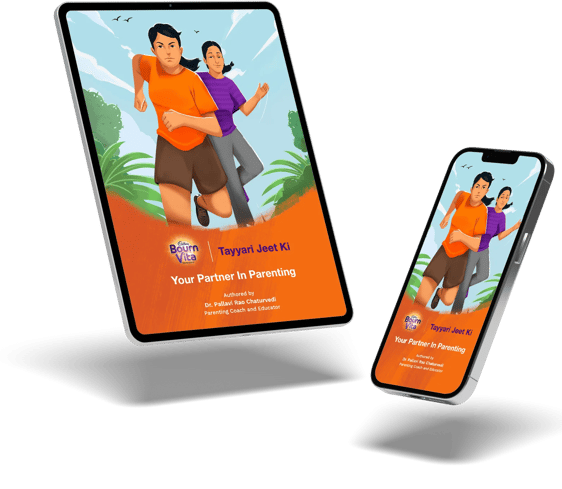
Free parenting e-book authored by parenting coach, Dr Pallavi Rao Chaturvedi
We know that searching for answers everywhere can be tough on parents. Here’s a hand-book to equip you with information you need to get your kids ready for a bright future!
Download Parenting E Book